

Decaf Coffee for Acid Reflux — Does It Actually Help?
Coffee and Acid Reflux — A Common

Walking into a specialty coffee shop or browsing a roaster’s website can feel overwhelming if you are not sure what you are looking at. Single origin? Medium roast? Washed Ethiopian? The terminology can feel like a barrier, but the underlying decisions are fairly simple once you understand what each variable actually does to the cup. Here is a practical breakdown.
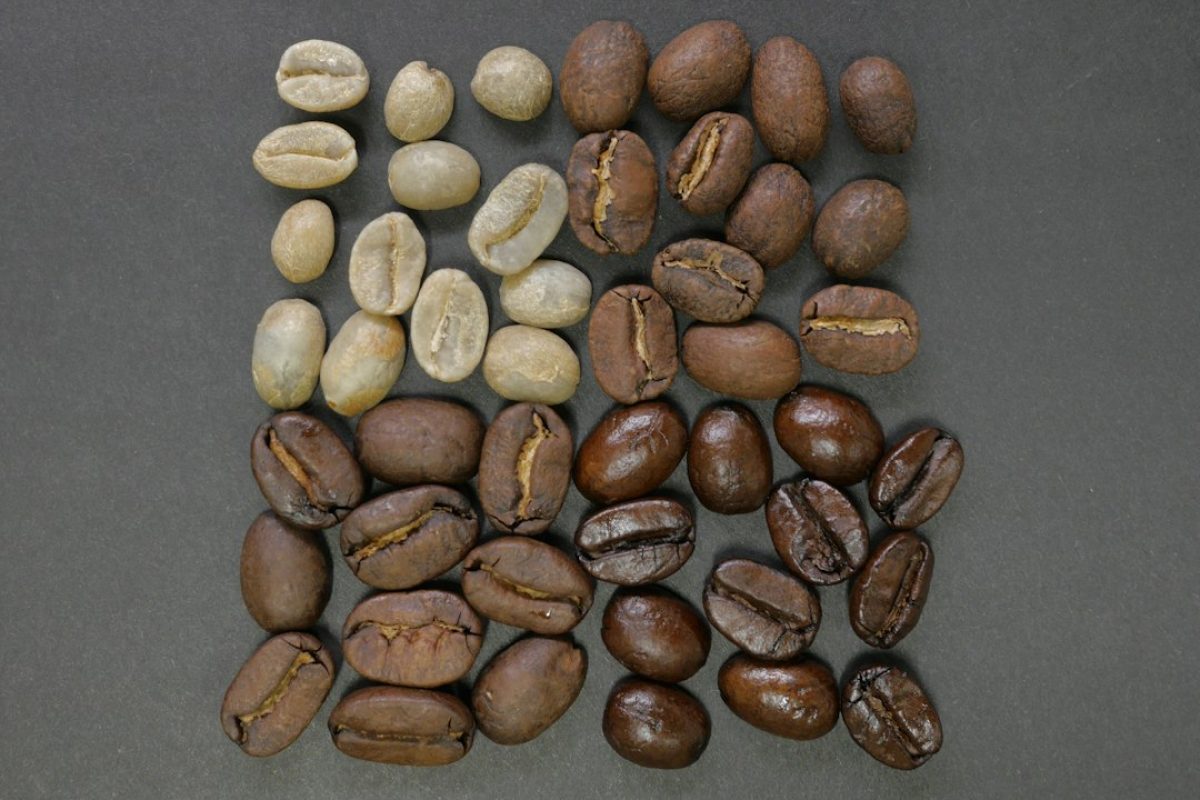
Roast level is the single most useful starting point because it has the most direct and predictable effect on what ends up in your cup. As beans roast longer, acidity decreases, bitterness increases, and body tends to become heavier and more full.
Where coffee is grown shapes the baseline flavour profile before roasting even begins. A few broad tendencies worth knowing:
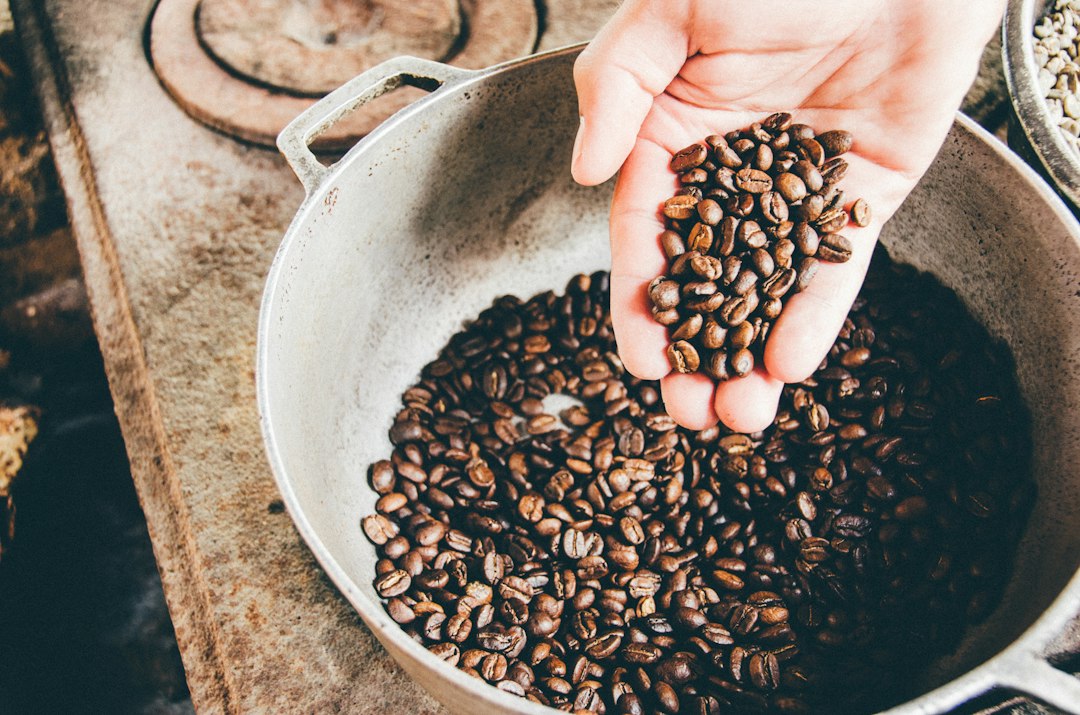
The processing method refers to how the fruit is removed from the seed (the coffee bean) after harvest. It is a major flavour variable that is often underappreciated.
Freshness matters more than any other variable when it comes to the actual cup. Coffee is best consumed within four to six weeks of the roast date, with espresso typically benefiting from a few days of rest post-roast and filter coffee ready to brew sooner. If a bag has no roast date on it, that is useful information in itself.
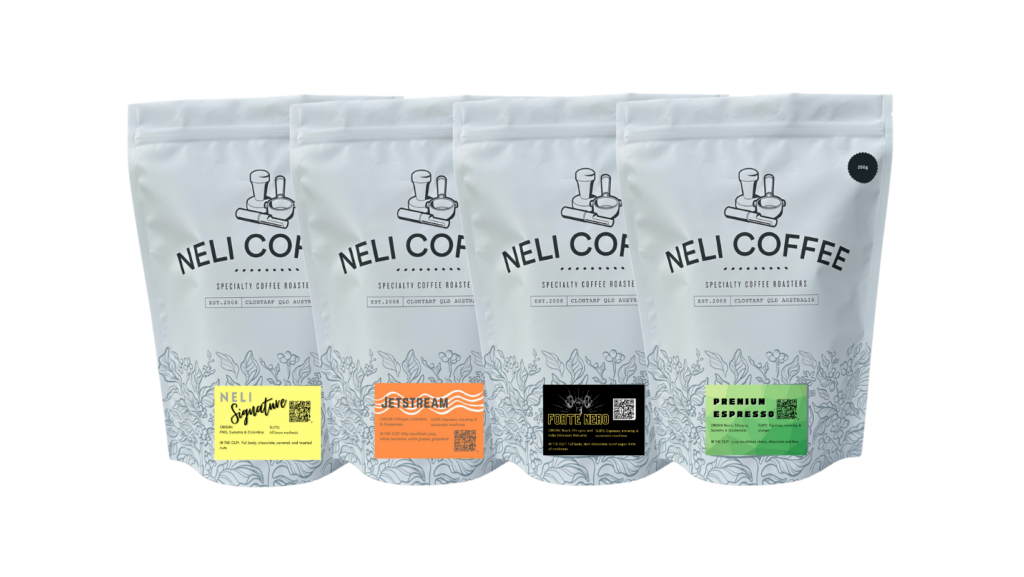
Neli Coffee roasts fresh and ships promptly, with roast dates clearly marked on every bag. Browse the current range to find beans suited to your brew method, roast preference, and taste profile.
Coffee and Acid Reflux — A Common
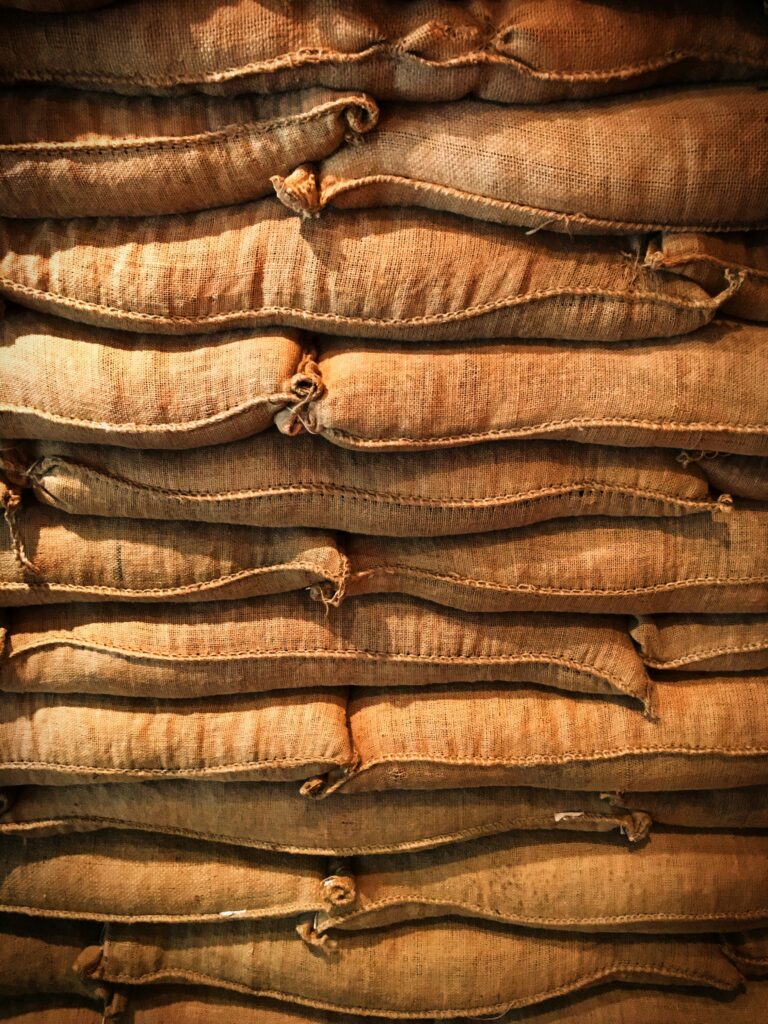
Why Green Coffee Storage Matters Green coffee

Two Different Drinks, Often Confused Walk into
Why Cold Brew Coffee? Cold brew coffee