

Decaf Coffee for Acid Reflux — Does It Actually Help?
Coffee and Acid Reflux — A Common

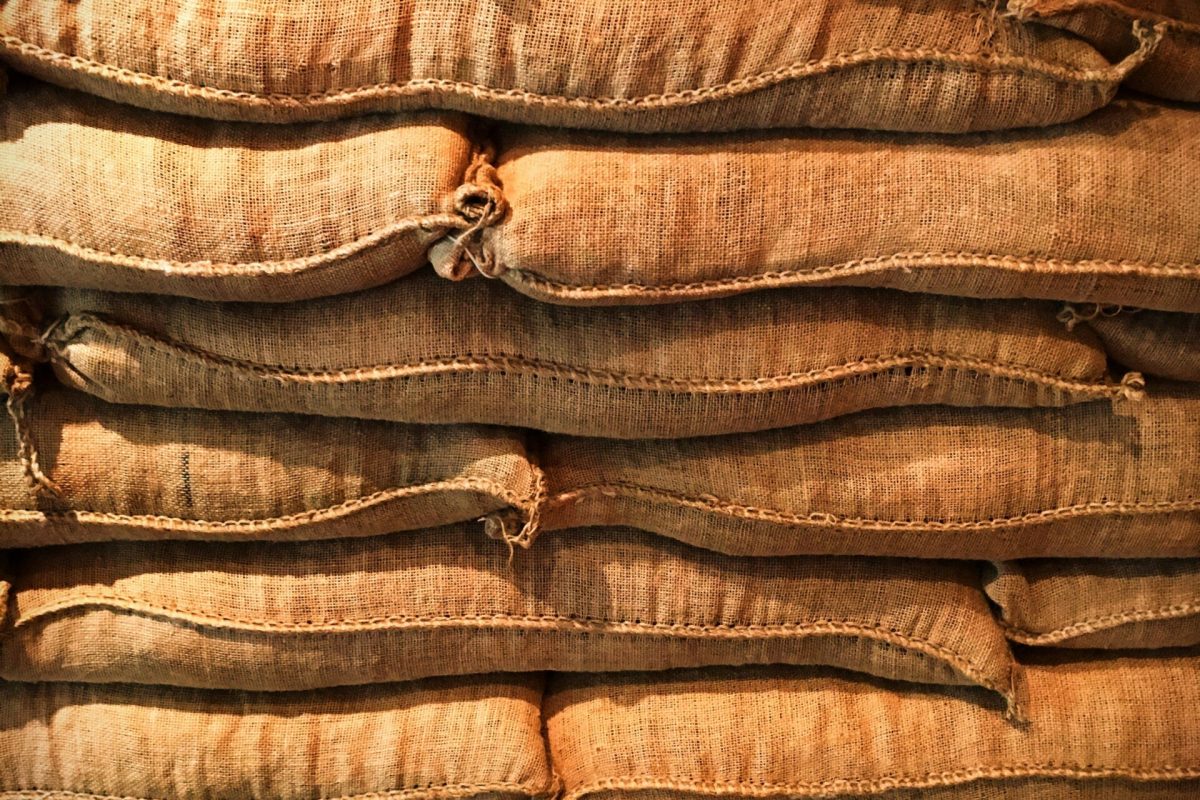
Green coffee — the raw, unroasted seed of the coffee cherry — is a remarkably stable agricultural product when handled correctly. Stored well, green beans can retain their quality for a year or more. Stored poorly, they degrade within weeks, losing the nuanced flavour compounds that make specialty coffee worth seeking out in the first place.
Understanding what green coffee needs is useful whether you are a home roaster buying small lots, a cafe sourcing green to roast on-site, or simply curious about the journey your coffee takes before it reaches the roaster.
Green beans degrade through exposure to four primary factors. Controlling these extends shelf life and preserves the coffee’s potential:
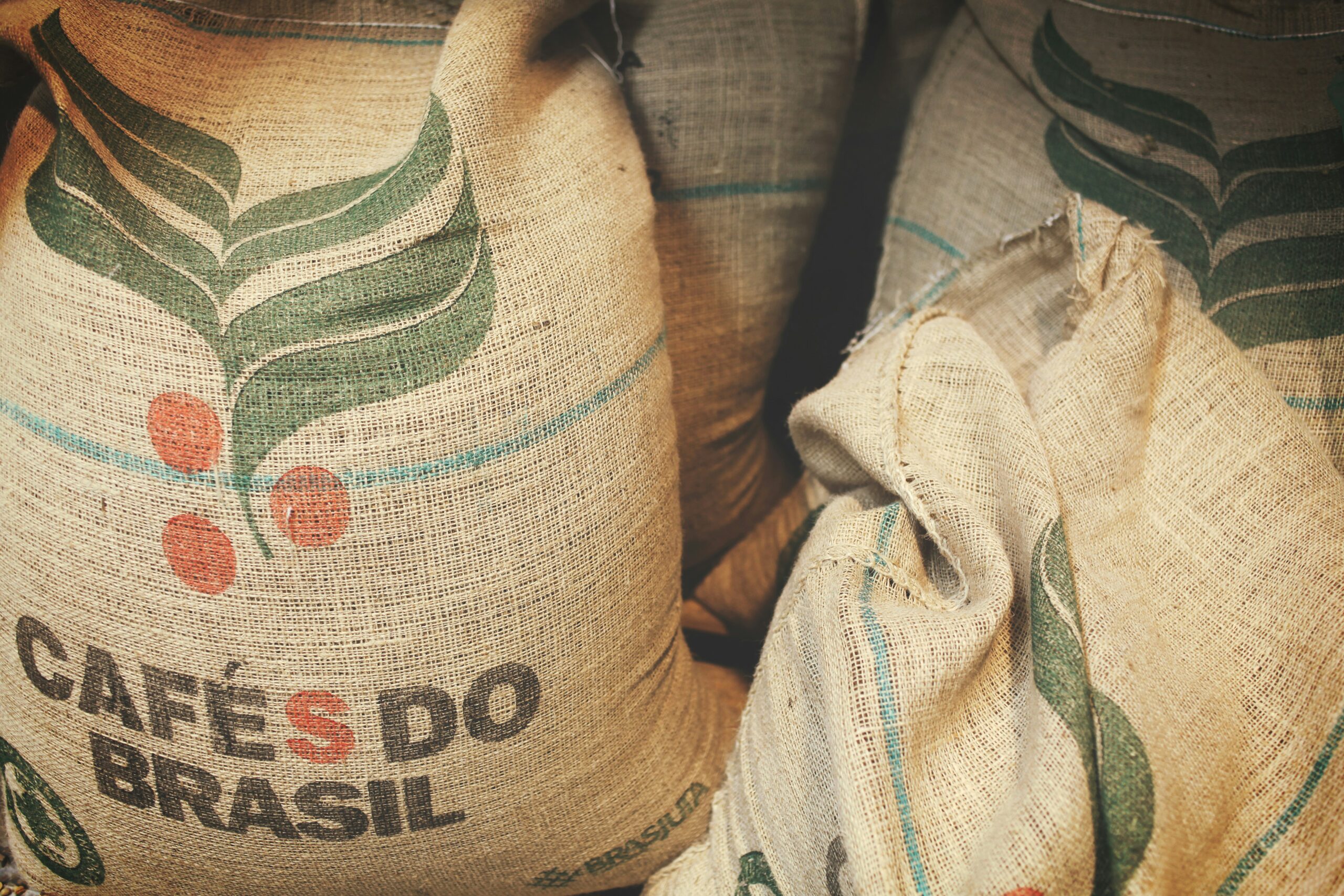
Green coffee has historically been stored in breathable jute or hessian sacks. This approach allows the coffee to breathe, which helps regulate moisture, but it also exposes the beans to ambient air and temperature swings. For short-term storage in a controlled warehouse, it works adequately. For longer-term preservation or in less stable environments, it falls short.
Modern specialty coffee storage increasingly uses grain pro bags or hermetic containers — airtight liners that drastically reduce oxygen exposure while still protecting against moisture. These are widely used for shipping high-value microlots and for extended storage where maintaining the bean’s full flavour profile is the priority.
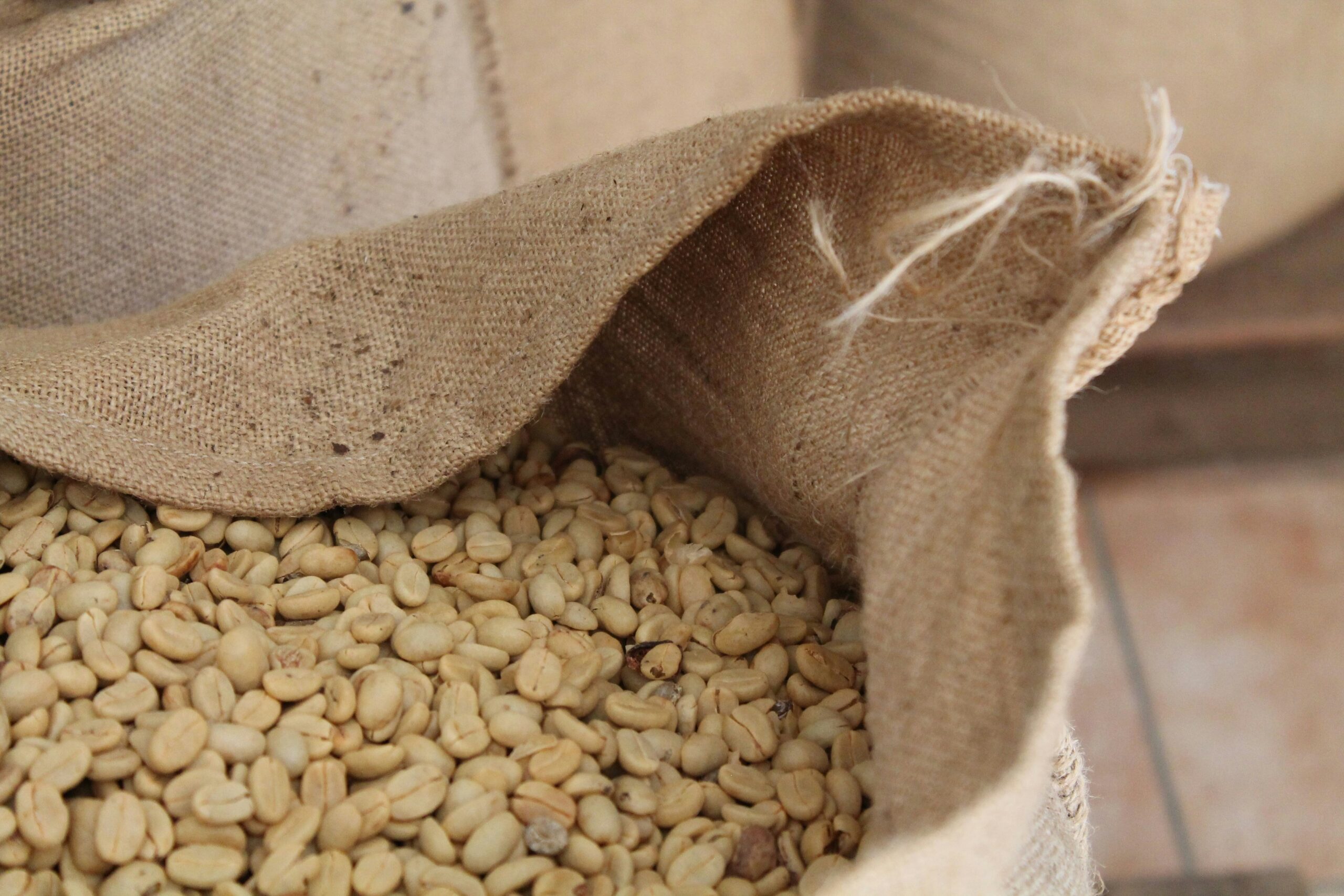
For home roasters and small-scale buyers, here are the storage conditions to aim for:
Under good conditions, most specialty green coffees hold their quality well for 12 to 18 months. Some processed varieties — particularly naturals and honeys — may begin showing age earlier due to their higher sugar content. Washed coffees from high-altitude origins, with lower moisture content and more stable structure, tend to store the longest.
Age in green coffee is not always negative. Some roasters deliberately work with “aged” or “monsooned” greens — coffees that have been intentionally stored under specific conditions to develop a distinct low-acid, earthy cup profile. But this is a deliberate process, not the result of poor storage.
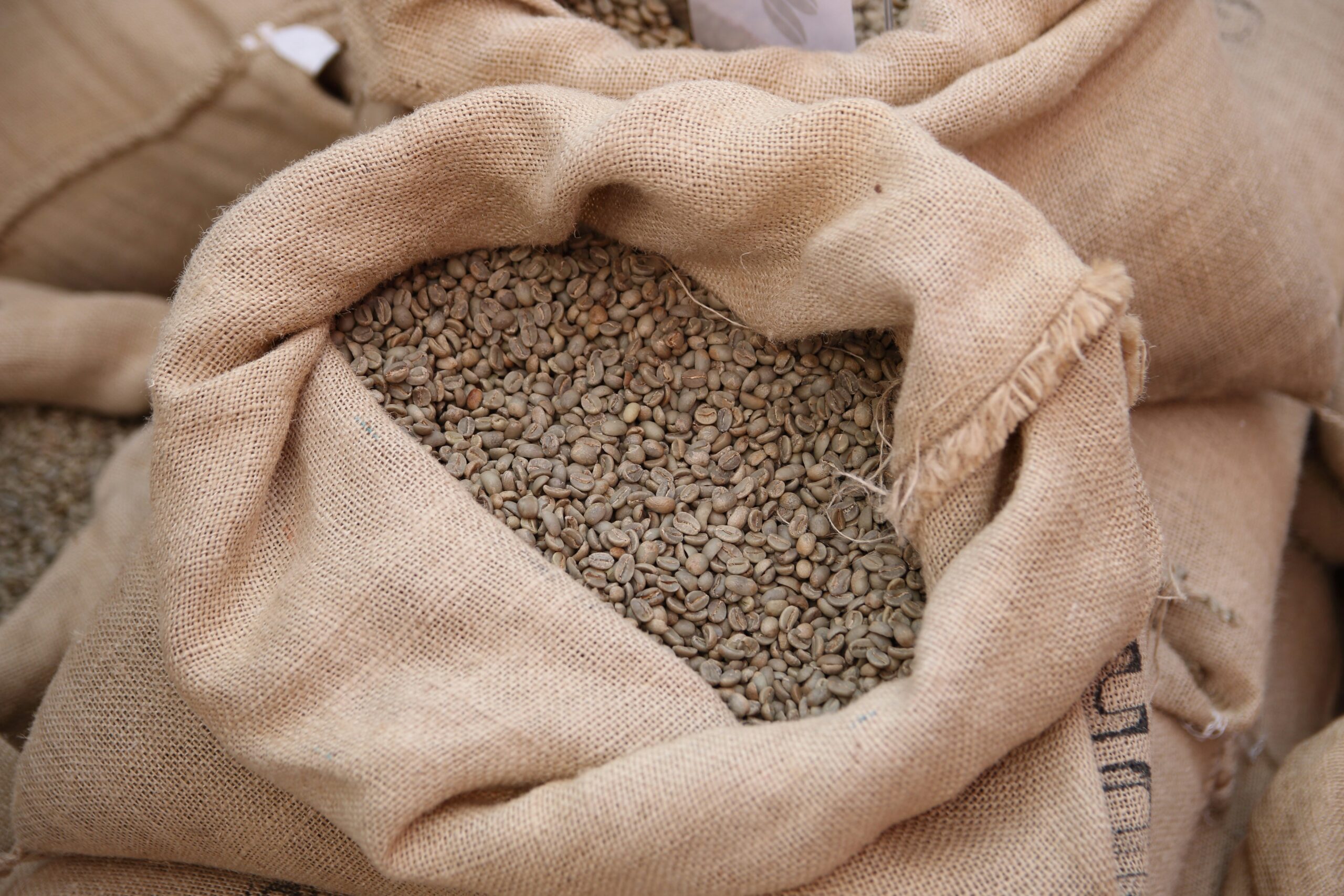
If you are unsure whether stored green beans are still in good condition, look and smell before roasting. Healthy green coffee has a pleasant grassy, hay-like or mildly sweet aroma. Signs of degradation include:
Coffees showing these signs are best discarded. Roasting degraded green beans will not recover their quality — the cup will be flat, astringent, or off in ways that no brewing technique can fix.
Proper storage preserves quality — it does not create it. The starting point is always a well-sourced, freshly harvested green coffee with inherent flavour potential. Browse the single-origin and specialty offerings at Neli Coffee to find green beans worth storing carefully, and get the most out of every roast.
Coffee and Acid Reflux — A Common

Two Different Drinks, Often Confused Walk into
Why Cold Brew Coffee? Cold brew coffee

What Is PNG Asaro Coffee? Papua New