Sumatra Coffee – Why It Tastes So Different from African Beans
If you have ever tasted a Sumatran

Decaf coffee has had a reputation problem. For years, it meant weak, flat, or chemically processed coffee that serious drinkers avoided. That reputation is no longer deserved. Specialty-grade decaf has transformed the category, and the best decaf beans available in Australia today can rival their caffeinated counterparts cup for cup.
Whether you are cutting back on caffeine for health reasons, enjoying coffee later in the day, or simply curious what the fuss is about, this guide covers everything you need to know about choosing the best decaf coffee beans in Australia.
The quality of decaf coffee is almost entirely determined by two things: the quality of the green bean before decaffeination, and the decaffeination method used. Most commodity decaf uses low-grade beans processed with harsh chemical solvents. Specialty decaf starts with high-quality Arabica and uses gentler processes that preserve the bean’s natural flavour compounds.
Swiss Water Process (SWP) is the gold standard for specialty decaf. It uses only water and activated charcoal filters to remove caffeine, with no chemical solvents involved. The result retains more of the bean’s original flavour, and the process is certified organic. If you see Swiss Water Process on the bag, you are looking at a quality decaf. Neli Coffee uses Swiss Water Process for our decaf range.
The supercritical CO2 process is the most precise decaffeination method available. It uses pressurised carbon dioxide to selectively extract caffeine molecules while leaving flavour compounds largely intact. It is expensive and rare, but produces exceptional results. If you see CO2 or supercritical CO2 on a bag, it is worth paying the premium.
Methylene chloride and ethyl acetate are the two most common chemical solvents used in commercial decaffeination. Ethyl acetate is sometimes marketed as a natural process because it can be derived from fruit, but it still removes more flavour than Swiss Water or CO2. Methylene chloride is best avoided. Always check the bag for the method if you care about flavour and clean ingredients.
When shopping for decaf beans in Australia, look for these markers of quality: Swiss Water Process or CO2 decaffeination, single origin or named blend components, a roast date on the bag, and a specialty roaster you can research. Avoid bags that list only country of origin with no other detail, or that do not mention the decaffeination method.
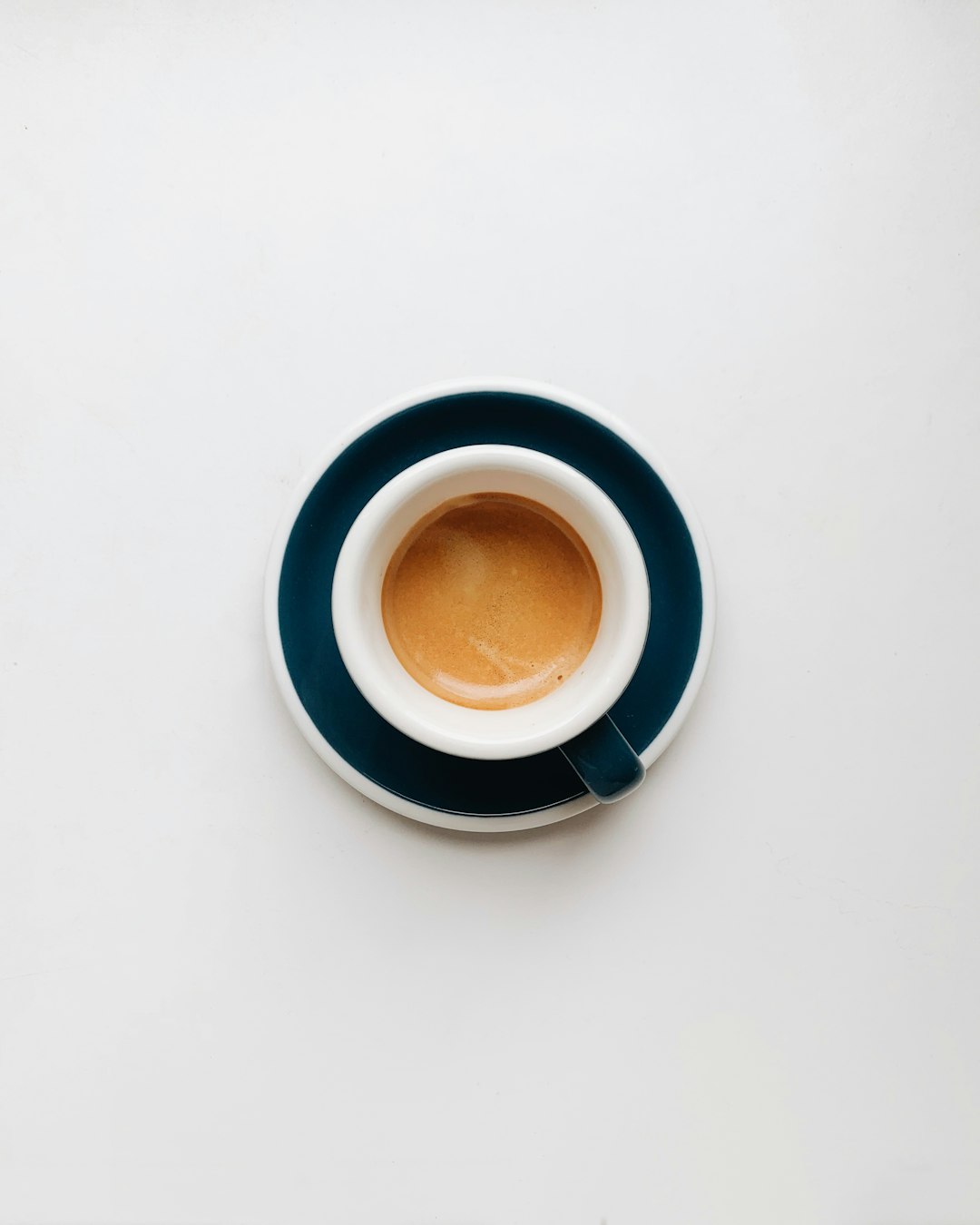
Not all decaf beans are roasted the same way. A decaf intended for espresso will be roasted slightly darker to develop the body and sweetness that espresso extracts need. A decaf for filter or pour-over will be roasted lighter to preserve brightness and clarity. Check with your roaster about how their decaf is roasted and which brew method it suits best.
Neli Coffee roasts specialty-grade decaf using Swiss Water Process beans sourced from quality producers. Our decaf collection is roasted to order from our Brisbane roastery and ships fresh across Australia. If you have been disappointed by decaf before, we think this will change your mind.
No. Decaf coffee contains a small amount of residual caffeine, typically 2 to 15 mg per cup compared to around 80 to 120 mg in a standard espresso. The exact amount depends on the decaffeination method and the bean. Swiss Water Process removes 99.9% of caffeine.
Good specialty decaf tastes very close to its caffeinated equivalent. The decaffeination process does affect flavour compounds slightly, which is why the method matters. Swiss Water Process and CO2 decaf retain significantly more flavour than solvent-processed options.
Look for a Swiss Water Process single origin or blend from a specialty Australian roaster, roasted specifically for espresso. Neli Coffee’s decaf range is a good place to start. Browse our decaf coffee collection.
If you have ever tasted a Sumatran
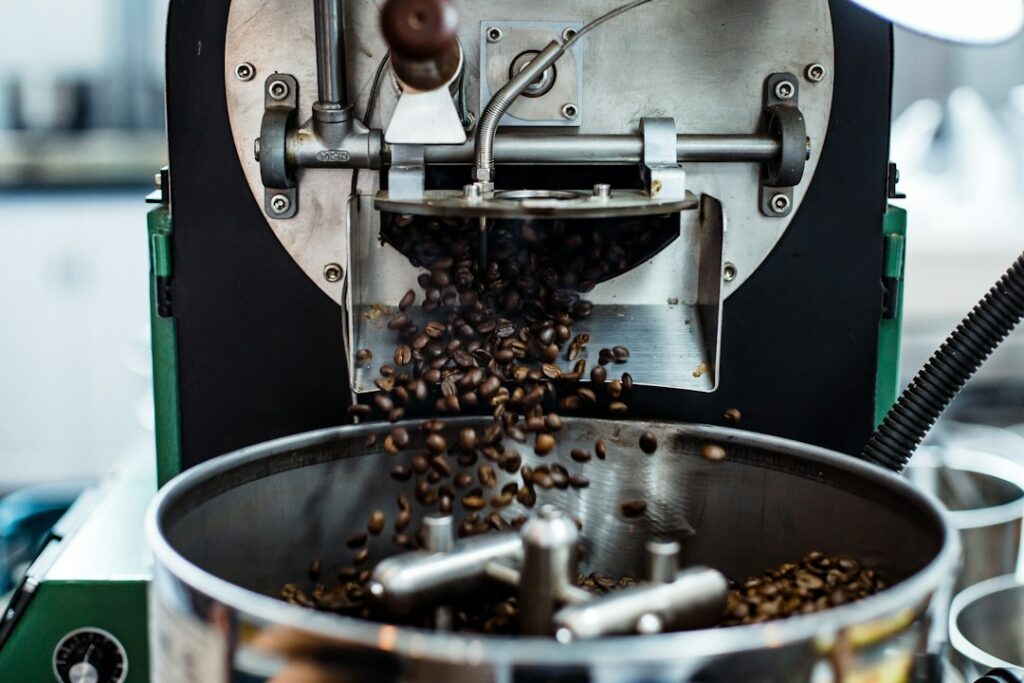
Your grinder matters more than your machine. Here’s an honest guide to the best coffee grinders for home espresso in Australia — from entry-level to serious upgrades.
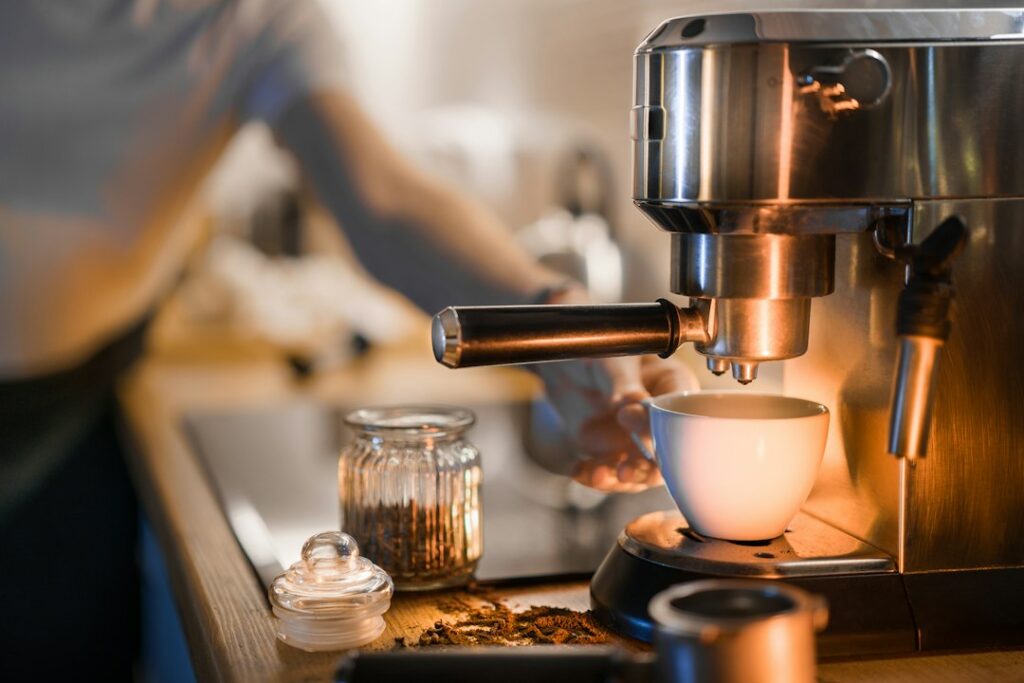
Looking for a home espresso machine in Australia? We break down the best options from entry-level to prosumer — with honest advice on what you’ll actually use.
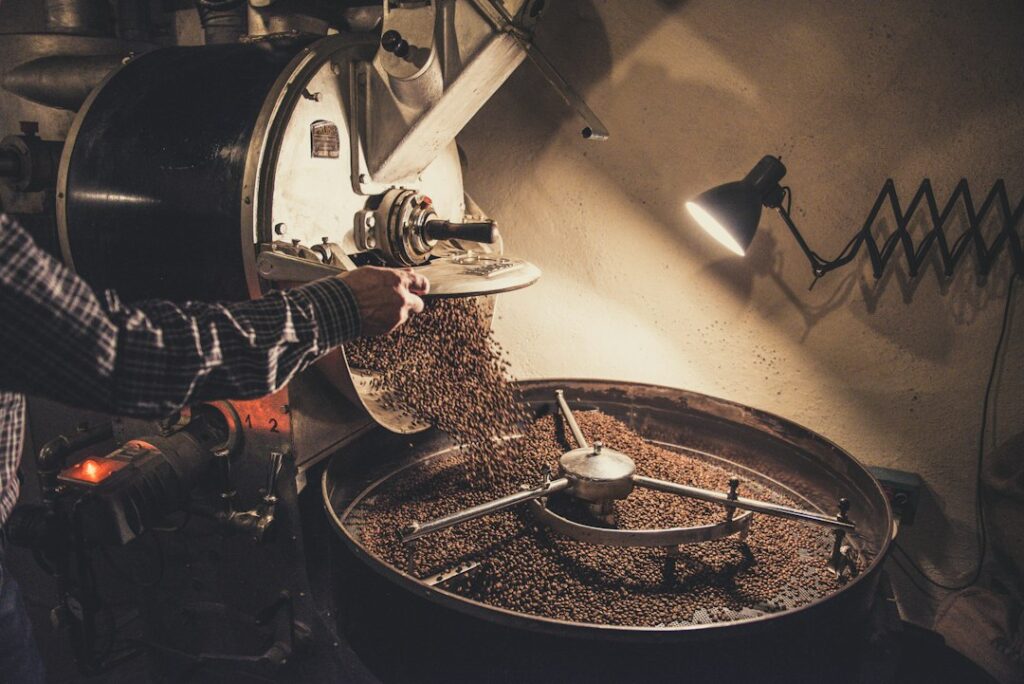
Swiss Water Process is the gold standard for decaffeination — no chemicals, just water, time, and science. Here’s how it works and why it matters for your cup.