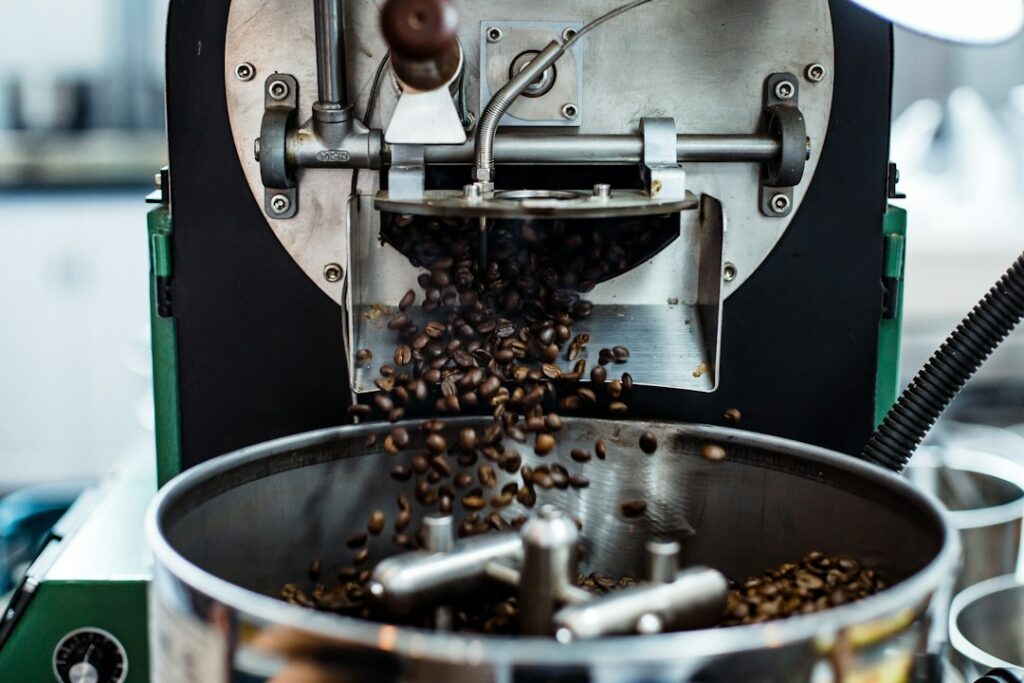
Best Coffee Grinders for Home Espresso: The Complete Buying Guide
Your grinder matters more than your machine. Here’s an honest guide to the best coffee grinders for home espresso in Australia — from entry-level to serious upgrades.

If you have ever tasted a Sumatran coffee and found yourself surprised by how different it was from your usual Ethiopian or Colombian cup, you are not imagining things. Sumatra produces some of the most distinctive coffee in the world — earthy, full-bodied, low in brightness, and deeply complex in ways that take some getting used to.
This guide breaks down what makes Sumatran coffee taste the way it does, how it compares to African origins, and who it is best suited to.
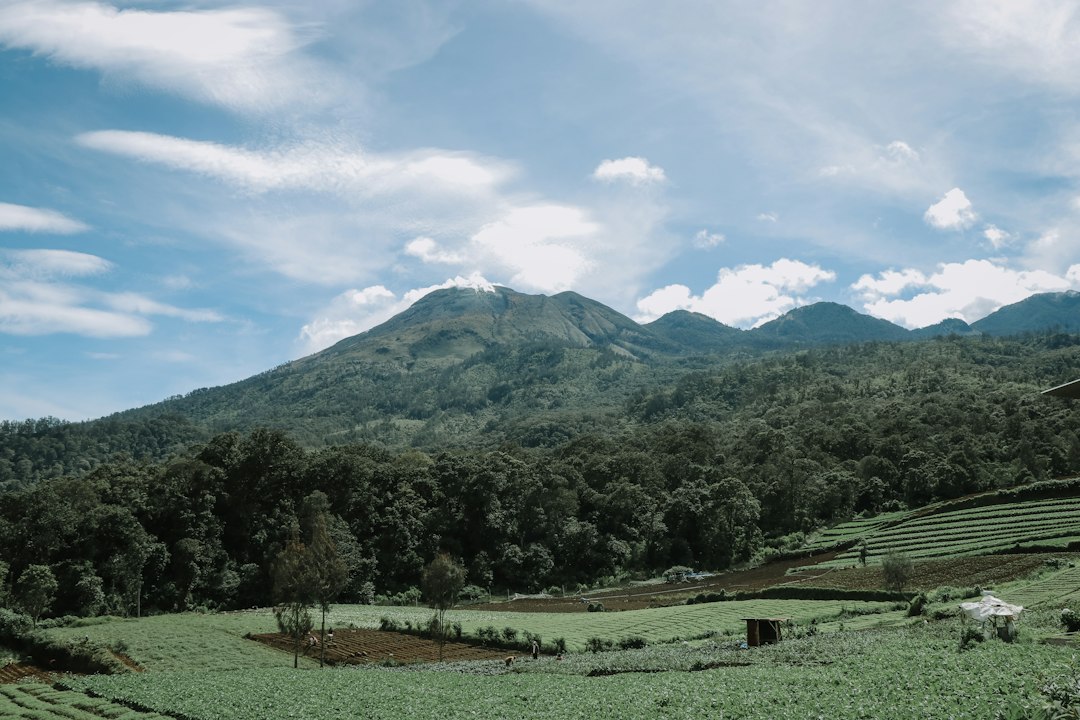
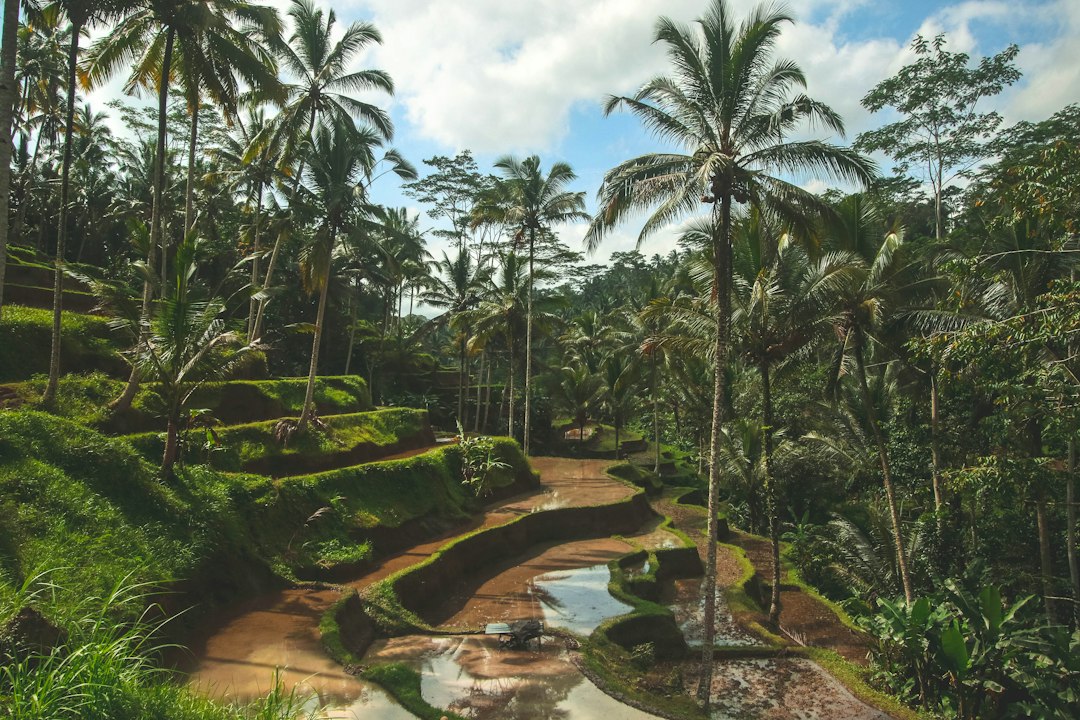
Sumatra is one of the major islands of Indonesia and sits along the equator — exactly where coffee thrives. The main growing regions are Aceh in the north, the Gayo Highlands, Lake Toba, and Mandheling in the south. Each region produces beans with slightly different characteristics, but they all share that distinctive Indonesian profile: low acidity, heavy body, and an earthy, sometimes herbal or tobacco-like complexity.
Coffee has been grown in Sumatra since the Dutch colonial era in the 17th century, and the industry has evolved into a network of smallholder farmers who typically grow coffee under shade trees alongside other crops.
The most important factor in Sumatra’s unique flavour is a processing method called wet-hulling (known locally as Giling Basah). Unlike the washed or natural processing common in Africa, wet-hulling involves removing the parchment layer from the coffee bean while it still has high moisture content — sometimes up to 50% moisture, compared to around 10-12% at the same stage in other methods.
This early removal of the parchment exposes the bean directly to the environment during drying, which creates flavour compounds you simply do not find in African coffees. The result is a heavier body, reduced acidity, and those distinctive earthy, musty, sometimes chocolatey notes that define Sumatran coffee.
Ethiopian coffee is often described as bright, floral, and fruity — particularly the washed varieties from Yirgacheffe. A light-roasted Ethiopian can have notes of bergamot, jasmine, peach, and blueberry. Acidity is the main event.
Sumatra sits at the opposite end of the flavour spectrum. Where Ethiopia is light and floral, Sumatra is dark and savoury. Where Ethiopia has high acidity, Sumatra has almost none. The earthiness that some drinkers associate with Sumatra — sometimes compared to dark chocolate, damp cedar, or rich soil — is almost entirely absent in African coffees.
Neither is better. They are simply different tools for different moods and brewing methods.
Kenyan coffees are famous for their bright, complex acidity — often compared to blackcurrant or tomato — alongside a syrupy body. They tend to be washed and are known for their bold, clear flavour definition.
Sumatran beans are the conceptual opposite: the acidity is muted or absent, the flavour profile is murkier and more complex in a different way, and the processing leaves a slightly rustic edge. Kenyan coffees shine in light roast; Sumatran coffees are often best in medium to medium-dark roasts where the earthiness develops but bitterness is kept in check.
Depending on the region and roast level, you might find:
Earthy and herbal: Dark forest floor, cedar, tobacco, dried herbs — these are the classic Sumatran notes most associated with wet-hulled processing.
Chocolate and spice: Many Sumatran coffees have a rich dark chocolate base with hints of black pepper or cinnamon, particularly at medium-dark roast.
Low acidity: If you find bright, acidic coffees hard on your stomach, Sumatra is often recommended as a lower-acid option.
Heavy body: Sumatran coffees have a thick, almost syrupy mouthfeel that lingers well after each sip.
Sumatra is particularly well suited to:
Black coffee drinkers who enjoy bold, complex cups without any brightness or fruitiness.
Espresso blenders looking for a base bean that adds body and depth without contributing acidity. Sumatran beans are a common component in Australian espresso blends for exactly this reason.
Cold brew enthusiasts — the heavy body and earthiness translate beautifully into cold brew, where the long steep amplifies the chocolatey, full-bodied qualities.
People sensitive to acid — if coffee tends to cause stomach discomfort, the naturally low acidity of Sumatran beans is worth exploring.
Sumatra responds well to brewing methods that emphasise body over clarity. French press and Moka pot both highlight the full, heavy character of the bean. For espresso, it works beautifully as a blend component at around 20-30%.
For filter methods like pour-over or Aeropress, a slightly coarser grind and a medium roast level will keep the earthy notes in balance without tipping into overly rustic or astringent territory. Avoid very light roasts — Sumatran beans do not develop their best qualities until the roast reaches at least medium.
At Neli Coffee, we source Sumatran green beans from the Gayo Highlands region — an area known for producing some of the most consistent and expressive wet-hulled coffees in Indonesia. Whether you are roasting at home or looking for green beans to add to your blend, our Sumatra offering is available to order online with shipping across Australia.
Your grinder matters more than your machine. Here’s an honest guide to the best coffee grinders for home espresso in Australia — from entry-level to serious upgrades.
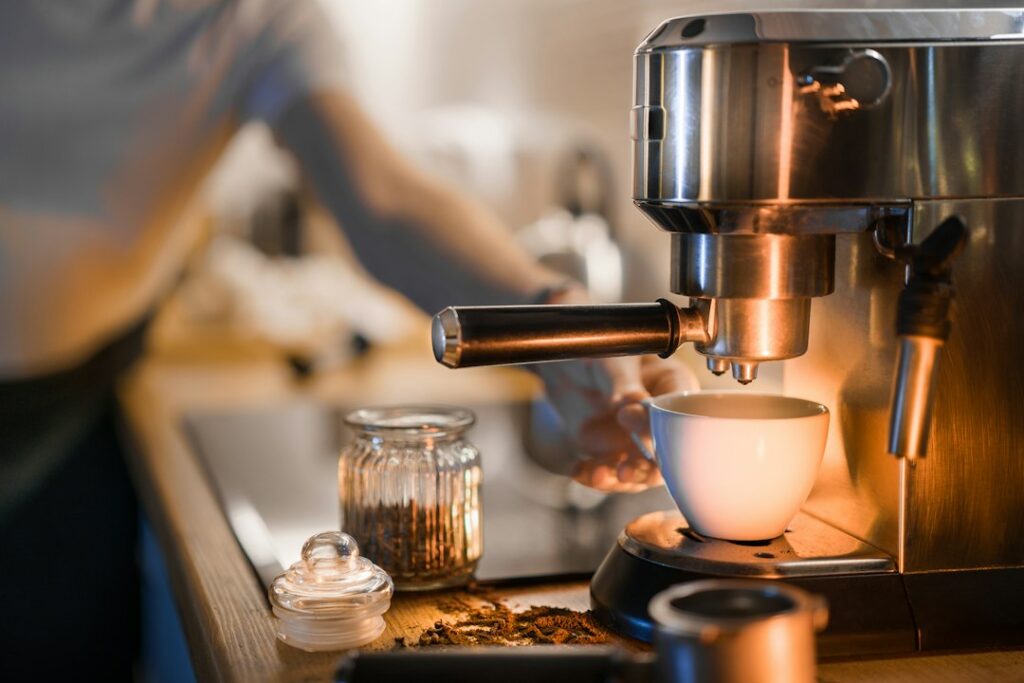
Looking for a home espresso machine in Australia? We break down the best options from entry-level to prosumer — with honest advice on what you’ll actually use.
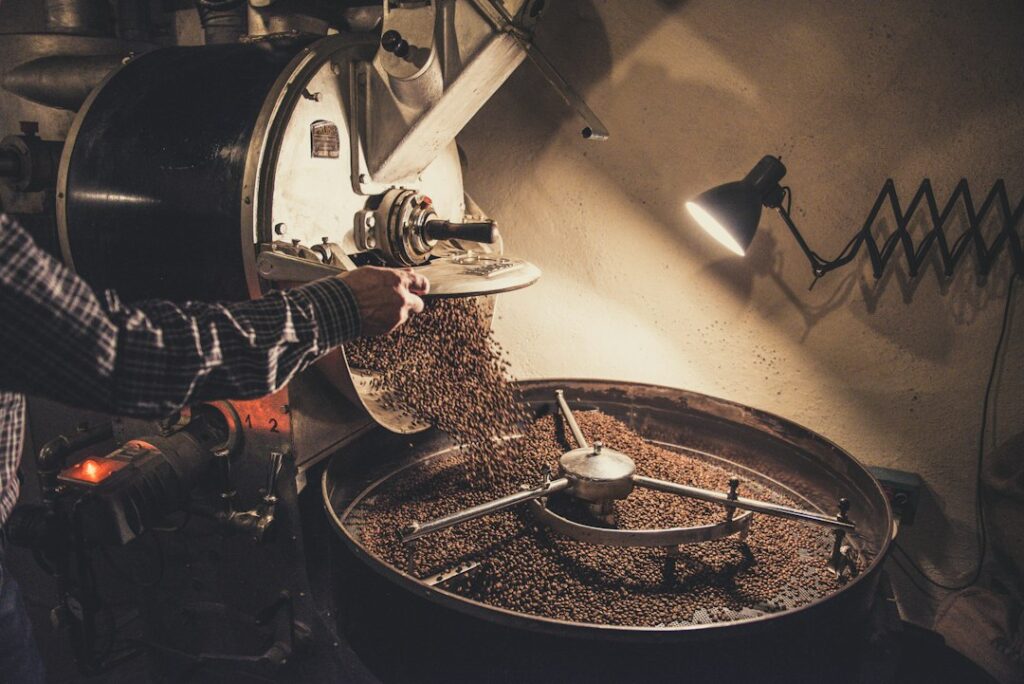
Swiss Water Process is the gold standard for decaffeination — no chemicals, just water, time, and science. Here’s how it works and why it matters for your cup.
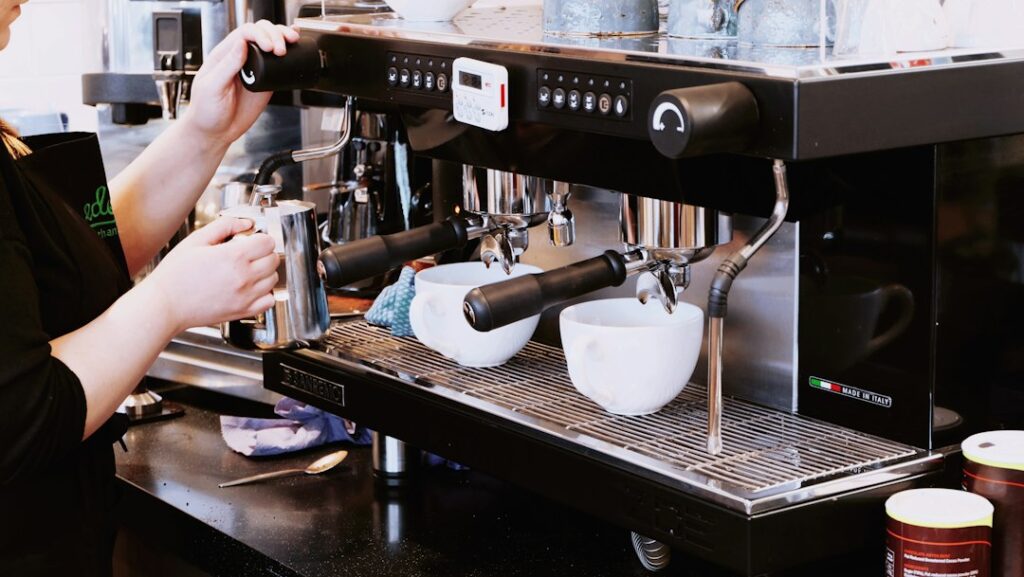
A practical guide for Brisbane café owners looking for a reliable wholesale coffee supplier — what to expect, what to ask, and why sourcing locally matters.