Sumatra Coffee – Why It Tastes So Different from African Beans
If you have ever tasted a Sumatran

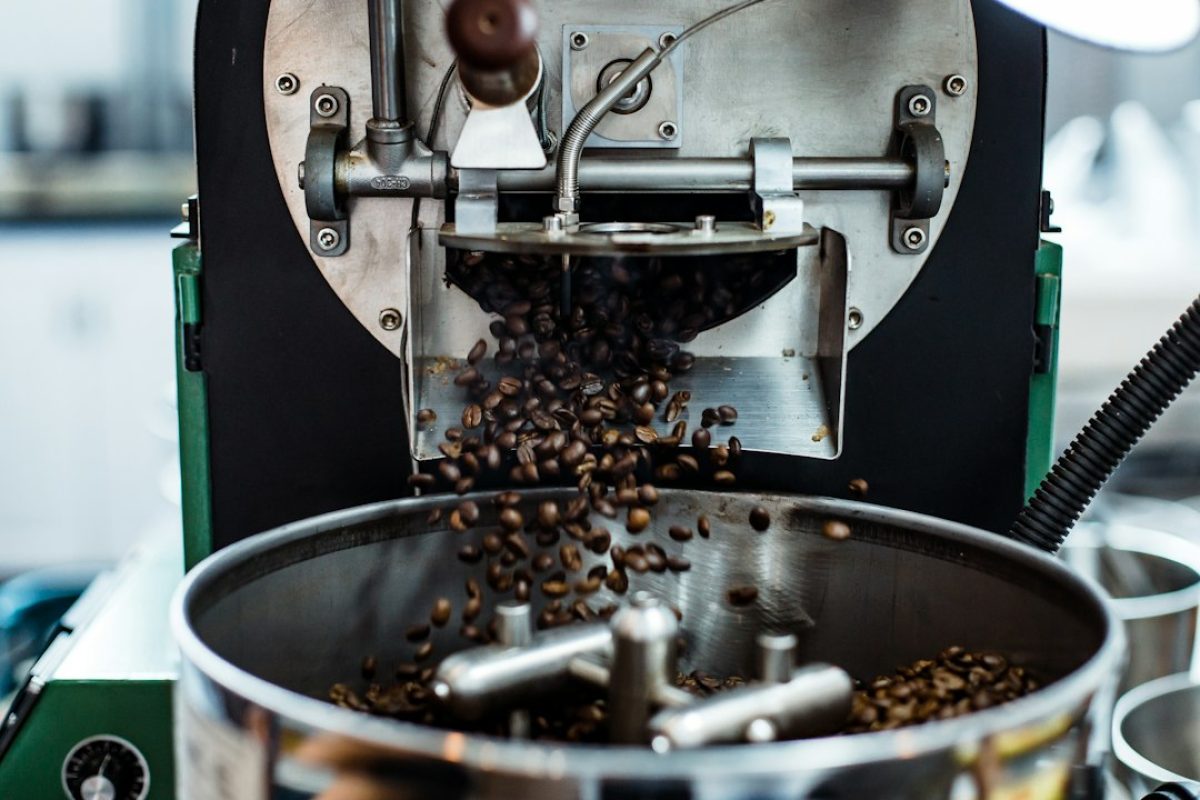
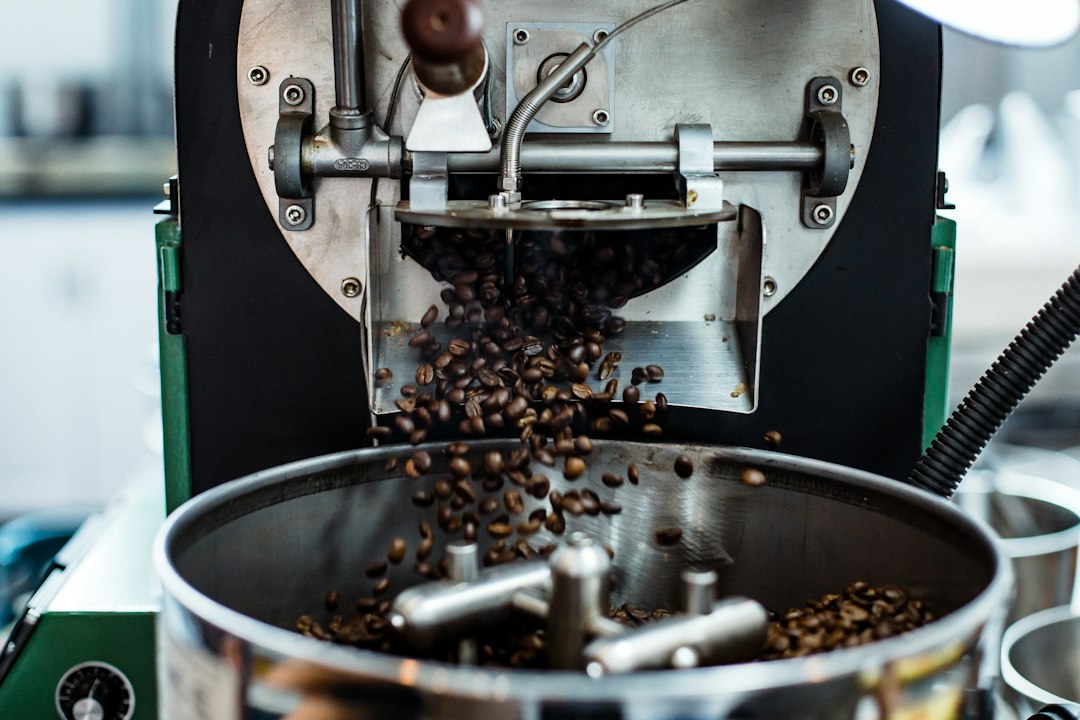
If you are serious about home espresso, your grinder matters more than your machine. That might sound counterintuitive, but it is one of the most consistent pieces of advice from specialty coffee professionals: grind quality is the single biggest variable you can control.
This guide covers what separates a good grinder from a great one, what to look for at different price points, and which features actually make a difference in your cup.
Espresso extraction is extremely sensitive to grind consistency. The water is passing through a puck of ground coffee at high pressure in roughly 25 to 30 seconds. If the grind is uneven — with some particles much finer or coarser than others — the water finds the path of least resistance. Fine particles over-extract and become bitter. Coarse particles under-extract and taste sour and flat.
A quality burr grinder produces a consistent particle size distribution. The result is even extraction — and that is what makes espresso taste the way it is supposed to.
Blade grinders chop coffee beans randomly, producing an uneven mix of fine dust and coarse chunks. They are inexpensive and work fine for drip coffee where precision matters less, but they will undermine any espresso machine you pair them with.
Burr grinders use two abrasive surfaces — the burrs — to crush beans between them. The gap between the burrs controls the grind size. Because beans pass through the same gap, the resulting grounds are far more uniform. For espresso, a burr grinder is not optional — it is the baseline.
Within burr grinders, you will encounter two designs: flat burr and conical burr. Both produce excellent espresso, but they have different characteristics.
Flat burrs tend to produce a more uniform particle size and are associated with bright, clarity-forward espresso. They are often found in commercial grinders and high-end home grinders. They can retain more ground coffee between doses (retention), which means some coffee sits in the chamber between shots.
Conical burrs use a cone-shaped inner burr that rotates inside a ring-shaped outer burr. They typically have lower retention (less ground coffee left behind), run quieter and cooler, and are associated with espresso that has more body and sweetness. Many popular home grinders use conical burrs.
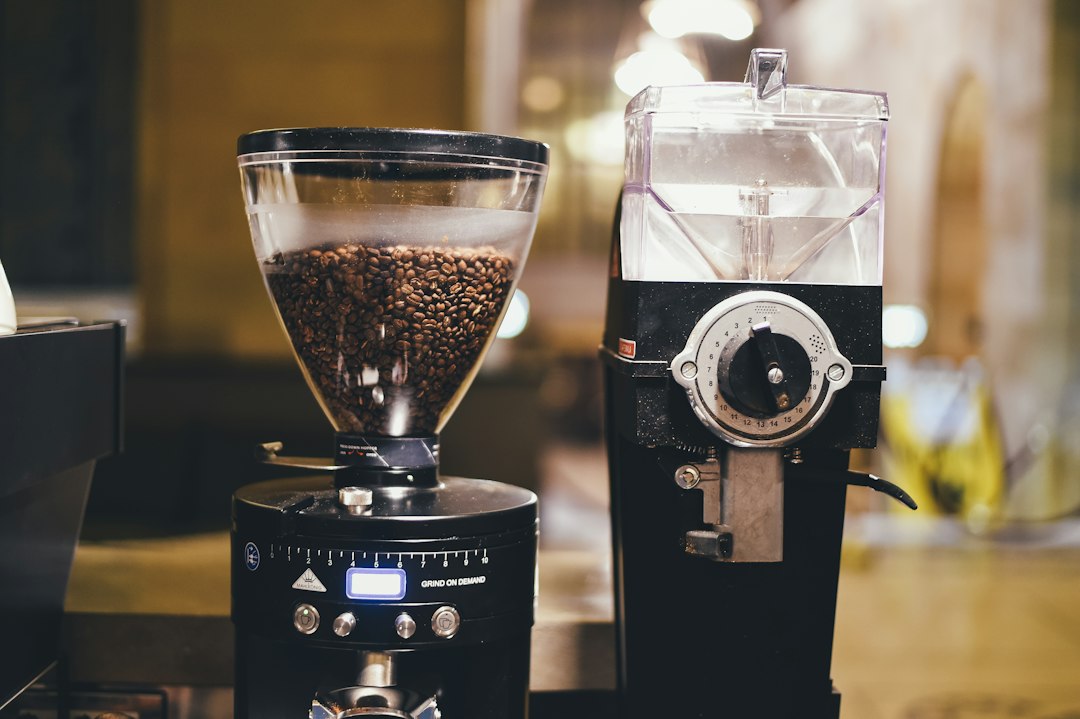
Espresso is dialled in by making very small adjustments to grind size — often fractions of a setting. Grinders with stepless adjustment allow infinite fine-tuning. Grinders with stepped adjustment have fixed positions, which can make it harder to hit the exact setting you need. For espresso, stepless is strongly preferred.
Single dosing means you weigh your beans before grinding and put exactly the right amount into the hopper each time. It reduces waste and stale retention, and lets you switch between different coffees easily. Many home grinders are designed around single dosing, and it is worth prioritising if you like experimenting with different origins.
Retention refers to how much ground coffee stays inside the grinder after the dose is complete. High retention grinders waste coffee and can mix old grounds with fresh ones. Low retention grinders deliver what you put in and nothing more. For home use, low retention is a significant quality-of-life improvement.
Slower motors generate less heat during grinding, which matters for flavour — heat degrades volatile aromatics. High-RPM grinders are louder and can heat the grounds, especially under heavy use. For occasional home use this is less critical than in a commercial setting, but slower is generally better.
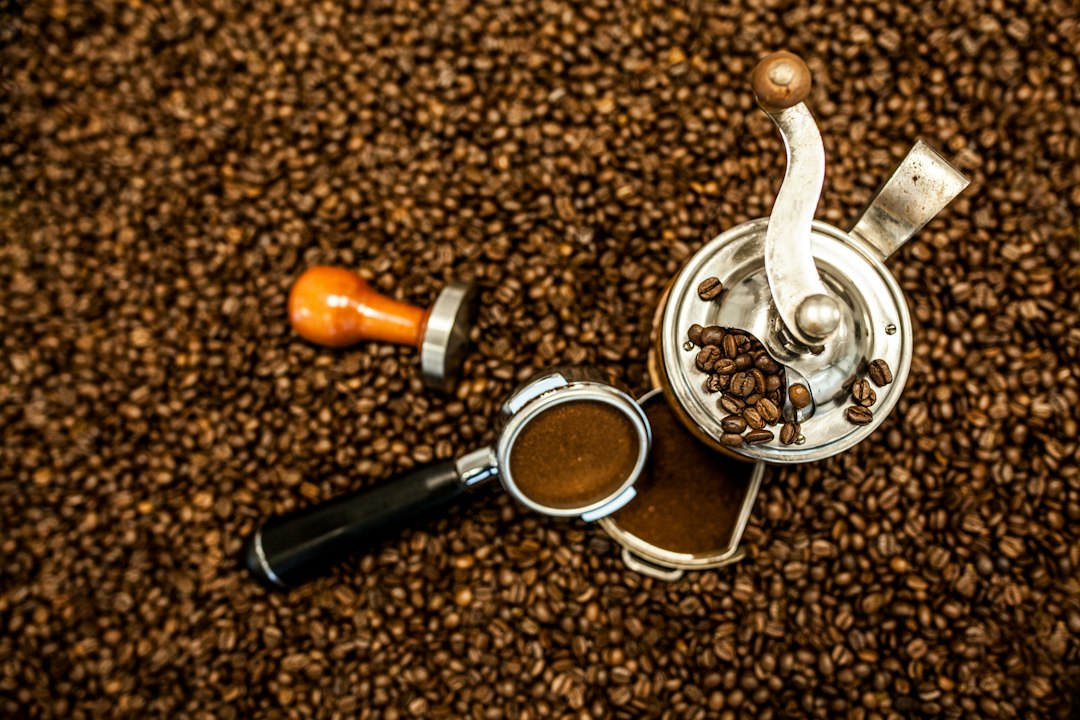
The Baratza Sette 270 and Breville Smart Grinder Pro are both solid options in this range. They are not perfect — neither offers the burr quality of more expensive grinders — but they are capable of producing espresso-grade grounds that will work well with most home machines. The Breville is especially popular in Australia due to wide availability and good warranty support.
This is where things get genuinely interesting. The Niche Zero has become one of the most talked-about home grinders at any price point — low retention, single dosing designed-in, and a conical burr that produces excellent espresso with a calm workflow. The Eureka Mignon Specialita is another strong option, offering stepless adjustment, quiet operation, and reliable performance.
At this level you are moving toward professional-grade burr sets. The Weber Workshops Key, DF64, and Lagom P64 all use 64mm flat burrs that deliver exceptional consistency and clarity. These grinders are overkill for many home setups but represent the ceiling of what is possible in a domestic setting.
Getting the grind right for a new coffee or a new machine takes a few shots to dial in. Start with a medium-fine setting and pull a shot. If it runs too fast and tastes weak, go finer. If it takes too long and tastes bitter, go coarser. Most home baristas dial in a new coffee in three to five shots. Once you find the setting, note it and you can return quickly next time.
A quality grinder is the foundation of home espresso. If you are working with a limited budget, prioritise the grinder over the machine. A good grinder paired with a modest machine will almost always outperform the reverse.
And once your setup is dialled in, the beans are what take it from good to great. At Neli Coffee, we roast fresh and ship across Australia — explore our current espresso range and taste the difference fresh specialty coffee makes.
If you have ever tasted a Sumatran
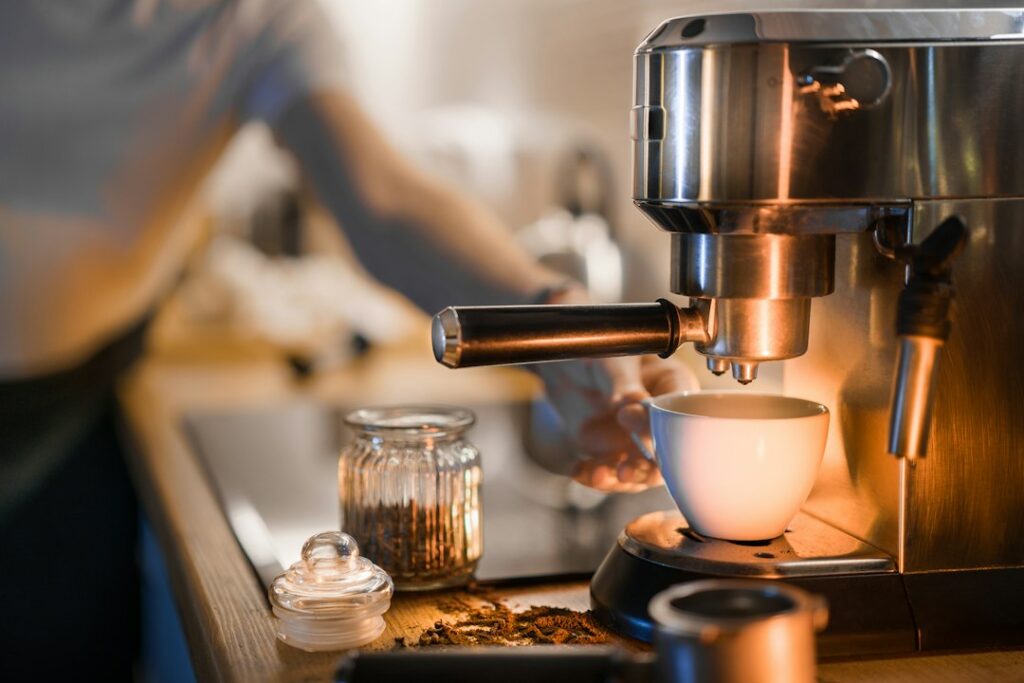
Looking for a home espresso machine in Australia? We break down the best options from entry-level to prosumer — with honest advice on what you’ll actually use.
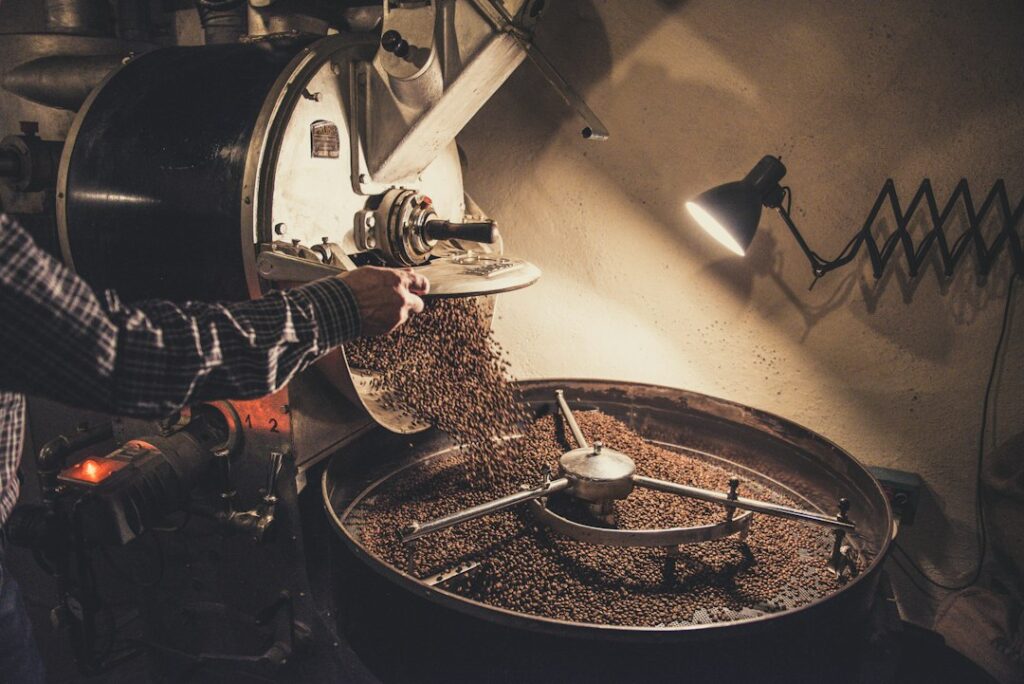
Swiss Water Process is the gold standard for decaffeination — no chemicals, just water, time, and science. Here’s how it works and why it matters for your cup.
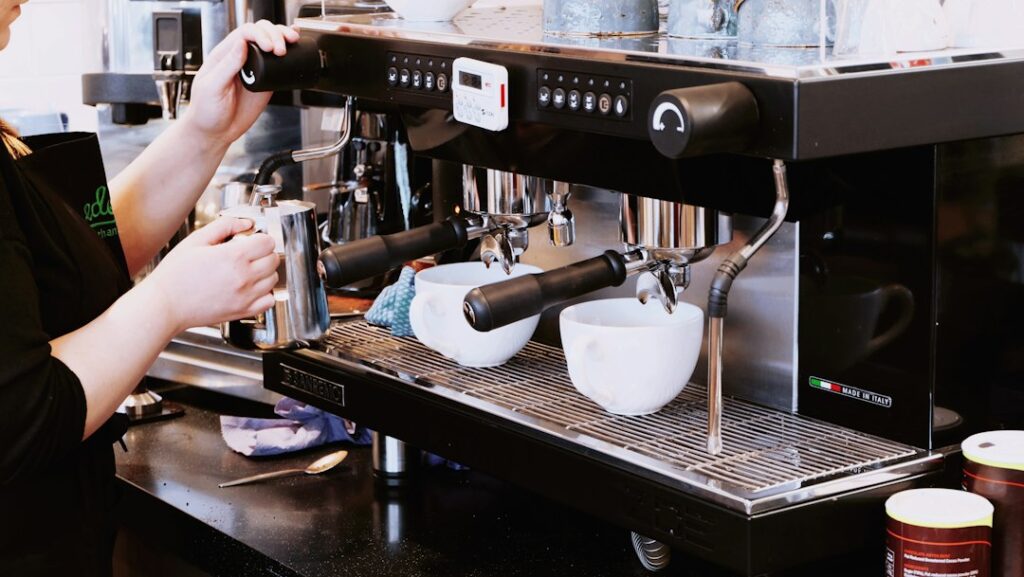
A practical guide for Brisbane café owners looking for a reliable wholesale coffee supplier — what to expect, what to ask, and why sourcing locally matters.