Sumatra Coffee – Why It Tastes So Different from African Beans
If you have ever tasted a Sumatran

Decaf coffee has long had a reputation problem. For years, it was the coffee you drank when you had no other choice — watery, flat, and stripped of everything that made coffee worth drinking. But that reputation is changing, largely thanks to a decaffeination method called the Swiss Water Process.
If you have ever seen “Swiss Water Process” on a bag of decaf and wondered what it actually means, this guide explains everything: how the process works, why it produces better-tasting coffee, and how it compares to other decaffeination methods.
All decaf coffee starts with green (unroasted) coffee beans. Caffeine is naturally present in those beans, and removing it requires some kind of extraction process before roasting. The method used to extract that caffeine has a significant impact on the final flavour of your cup.
Some methods use chemical solvents. Others use carbon dioxide or water. Each leaves a different trace on the bean — and on your coffee.
The Swiss Water Process is a chemical-free decaffeination method that uses water and activated charcoal filters to remove caffeine. Here is how it works, step by step.
A batch of green coffee beans is soaked in hot water. This water absorbs both caffeine and the soluble flavour compounds from the beans. The beans are then discarded, and the water — now rich in coffee solids and caffeine — is passed through an activated charcoal filter.
The charcoal filter traps caffeine molecules (which are larger) while allowing the smaller flavour compounds to pass through. What remains is called Green Coffee Extract (GCE) — water that contains the flavour profile of coffee but none of the caffeine.
The actual coffee to be sold is then soaked in this Green Coffee Extract. Because the GCE is already saturated with flavour compounds, it has no capacity to pull more of them from the new beans. It can only absorb what it is missing: caffeine.
The caffeine migrates out of the beans and into the GCE. The beans retain their flavour compounds because the water surrounding them is already full of those same compounds — there is nowhere for them to go.
The GCE is then passed through the charcoal filter again to remove the caffeine that has been absorbed. The cycle repeats until the beans are 99.9% caffeine free — the standard required for a coffee to be labelled decaf.
The Swiss Water Process preserves more of the bean’s original flavour compounds because it does not use chemical solvents that can strip the bean unevenly or leave residues. The flavour profile that developed in the growing region — the terroir, the variety, the processing method at origin — survives largely intact.
This is why a well-made Swiss Water Process decaf from a quality origin can taste genuinely similar to its caffeinated counterpart. The brightness, the body, the sweetness — these qualities are not sacrificed in the name of removing caffeine.
These methods soak the beans in a chemical solvent that selectively bonds with caffeine molecules and carries them out of the bean. While regulatory bodies consider residual solvent levels safe, many coffee drinkers and roasters prefer to avoid this approach entirely. The solvents can also affect delicate flavour compounds, which is why solvent-processed decaf often tastes flatter.
Supercritical CO2 is highly selective for caffeine and does an excellent job of preserving flavour. It is widely considered the gold standard for flavour retention. The downside is cost — the equipment and pressure required make it an expensive process, so it is typically reserved for premium coffees.
The Swiss Water Process sits comfortably between solvent methods and CO2 in terms of both cost and flavour preservation. It is chemical-free, certified organic-compatible, and produces consistently good results across a wide range of coffee origins. For most specialty decaf, it is the method of choice.
Not automatically. The Swiss Water Process itself is chemical-free and can be used with certified organic green coffee, but the organic certification applies to the growing and processing of the coffee at origin — not to the decaffeination method. If you want certified organic Swiss Water Process decaf, look for a bag that carries both certifications explicitly.

Not all Swiss Water Process decaf is equal. The decaffeination method removes the caffeine, but it cannot improve a low-quality bean. Here is what to consider when choosing a bag.
Swiss Water Process decaf is worth seeking out if you enjoy coffee in the afternoon or evening but find that caffeine disrupts your sleep. It is also a good option for people who are sensitive to caffeine but do not want to give up the ritual or flavour of a proper cup.
Pregnant women, people managing certain health conditions, and anyone who has been advised to limit caffeine intake will often find Swiss Water Process decaf a reliable way to keep coffee in their daily routine without the side effects.
At Neli Coffee, we source and roast decaf beans with the same attention we bring to our caffeinated range. We believe decaf should taste like real coffee — because it is. If you want to explore Swiss Water Process decaf that has been carefully selected and roasted to bring out its best qualities, take a look at our current decaf offerings.
If you have ever tasted a Sumatran
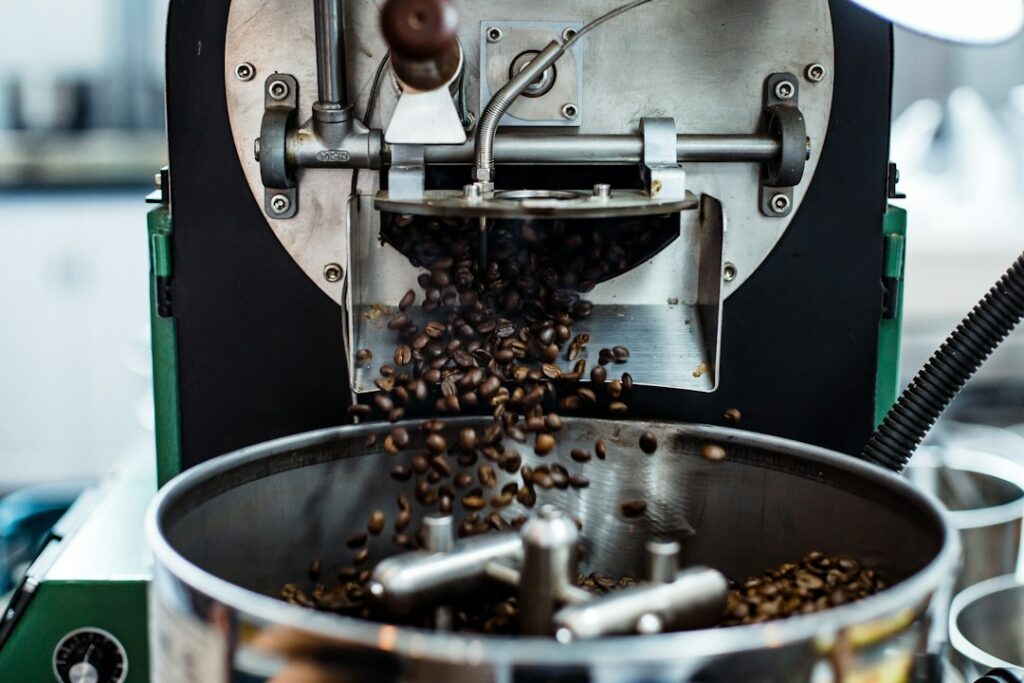
Your grinder matters more than your machine. Here’s an honest guide to the best coffee grinders for home espresso in Australia — from entry-level to serious upgrades.
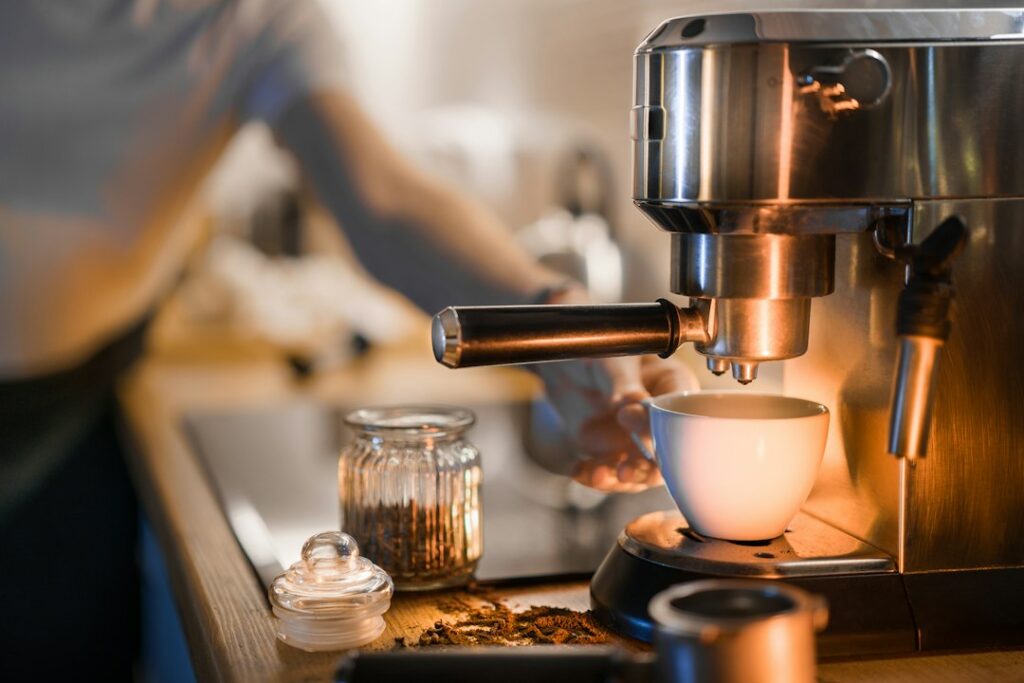
Looking for a home espresso machine in Australia? We break down the best options from entry-level to prosumer — with honest advice on what you’ll actually use.
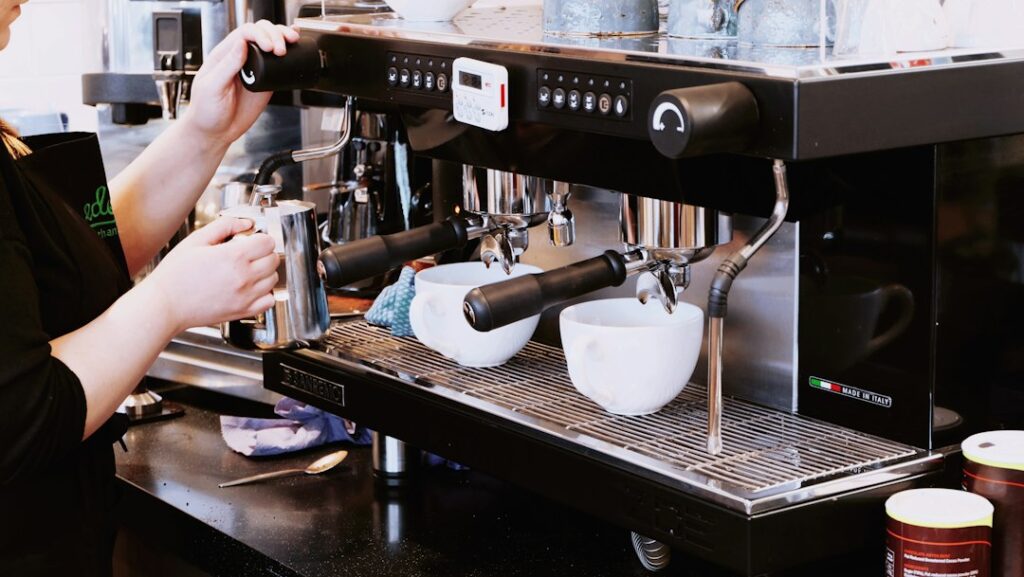
A practical guide for Brisbane café owners looking for a reliable wholesale coffee supplier — what to expect, what to ask, and why sourcing locally matters.