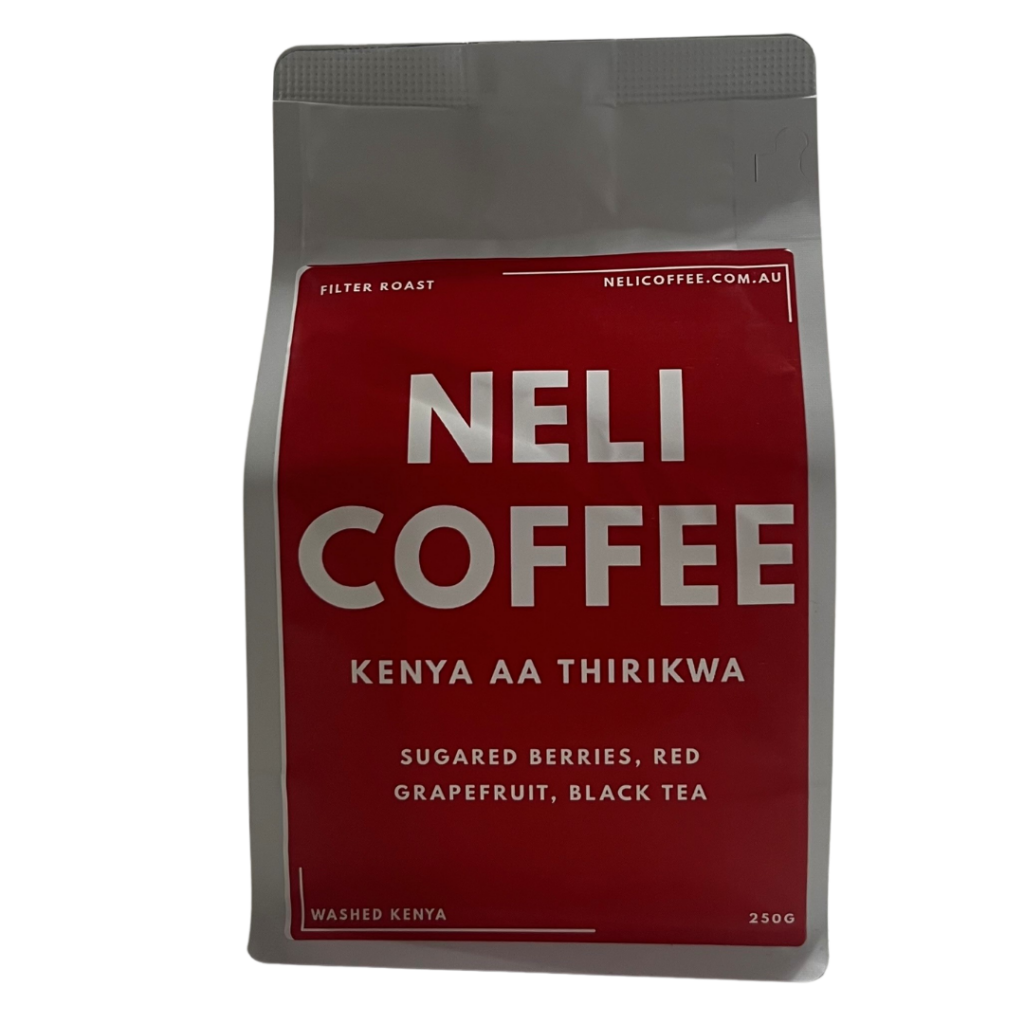
The Beginner’s Guide to Understanding Coffee Tasting Notes

Three white ceramic coffee mugs lined up for a tasting comparison

What Are Coffee Tasting Notes?

Pick up a bag of specialty coffee and you will often see descriptors like “dark chocolate and brown sugar” or “stone fruit with a citrus finish.” These are tasting notes — the flavours a skilled roaster or taster detects in the coffee. They are not added ingredients. They are the natural result of the bean’s origin, variety, processing method, and roast level combining to produce a specific flavour profile.

Tasting notes can sound intimidating if you are new to specialty coffee, but they are simply a shorthand for describing what you might experience in the cup. You do not need a trained palate to start exploring them — you just need to slow down and pay attention.

Where Do Tasting Notes Come From?

The flavour of coffee is shaped by several factors working together:
  • Origin: The country and region where the coffee was grown has the biggest influence on its base character. Ethiopian coffees are often floral and fruity. Colombian coffees tend to be balanced and sweet. PNG Asaro coffees are known for their earthy, full-bodied character.
  • Variety: Just as different grape varieties produce different wines, different coffee plant varieties produce different flavours. Heirloom Ethiopian varieties, for example, are celebrated for their complexity and natural fruit notes.
  • Processing method: How the coffee cherry is handled after harvest significantly affects flavour. Natural-processed (dry-processed) coffees — where the bean dries inside the fruit — tend to be fruitier and sweeter. Washed coffees are usually cleaner and brighter.
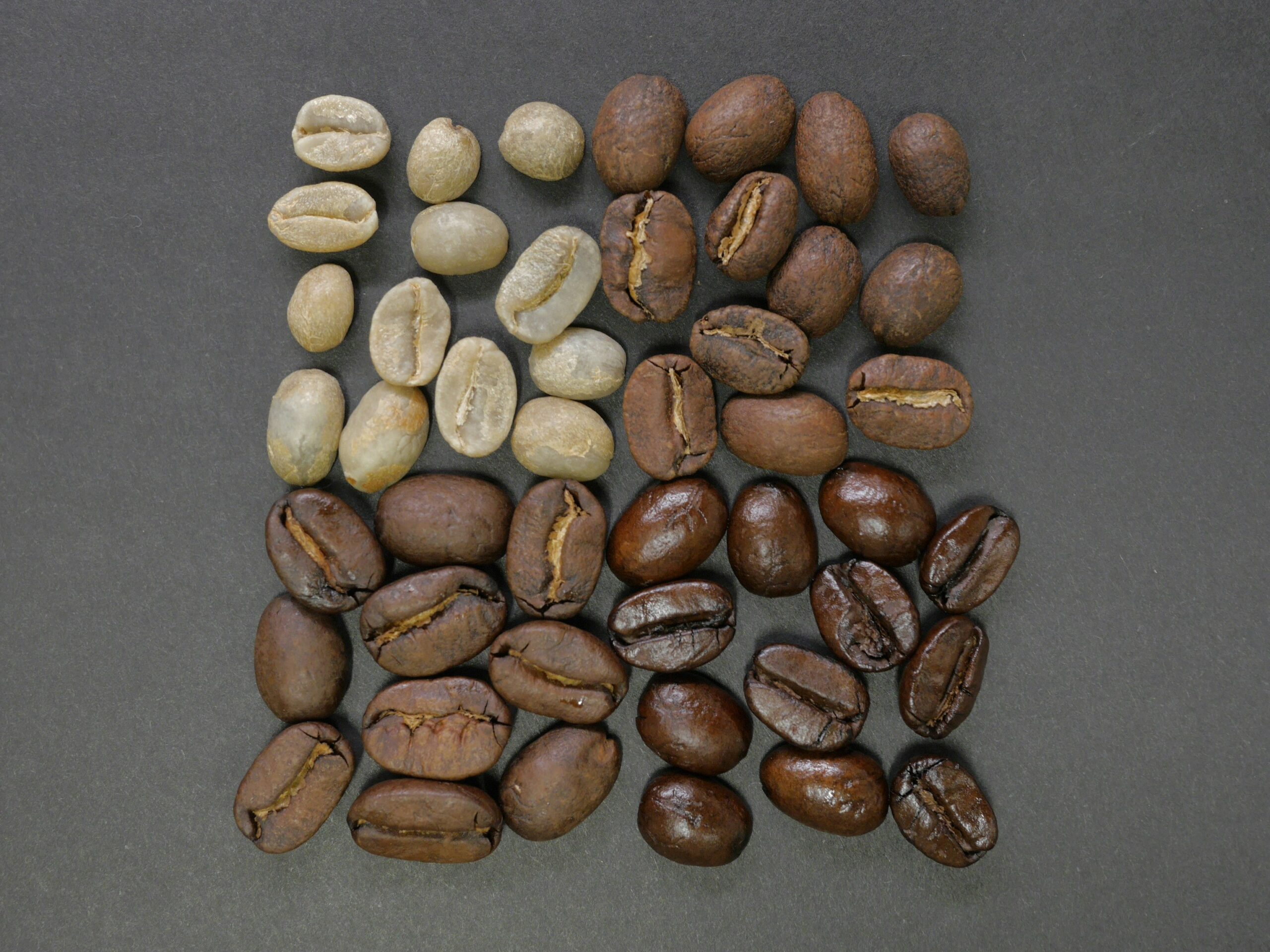
  • Roast level: Lighter roasts preserve more of the bean’s original character and tend to have brighter, more complex notes. Darker roasts develop more roast-driven flavours like dark chocolate, caramel, and nuts, while reducing acidity.
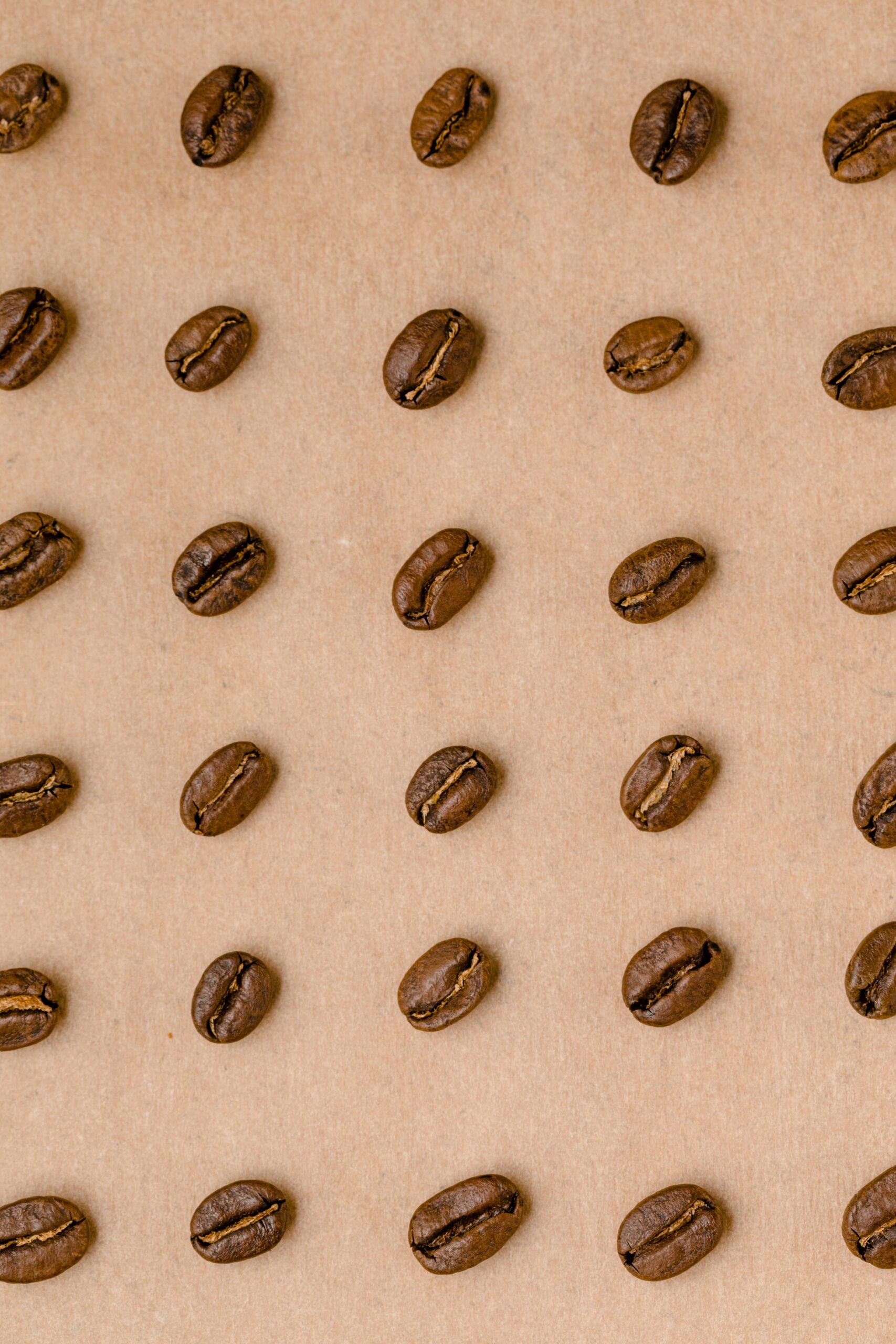
Coffee beans spread on a light background showing roast colour and texture

Common Tasting Note Categories

Tasting notes tend to cluster into a few broad categories. Getting familiar with these makes it easier to identify what you are tasting:
  • Fruity: Berries, citrus, stone fruit, tropical fruit. Common in lighter roasts and natural-processed coffees from Africa.
  • Sweet: Caramel, brown sugar, honey, vanilla, milk chocolate. Common across a wide range of origins at medium roast.
  • Nutty: Almond, hazelnut, walnut. Common in Brazilian and Central American coffees.
  • Chocolatey: Dark chocolate, cocoa, bittersweet chocolate. Common in medium-dark to dark roasts and Latin American origins.
  • Earthy and spicy: Cedar, tobacco, pepper, herbs. More common in Indonesian and PNG coffees, and in darker roasts.
  • Floral: Jasmine, rose, bergamot. Characteristic of high-grown Ethiopian coffees, particularly at lighter roasts.
Brown roasted coffee beans close up showing texture and colour variation

How to Start Tasting Notes Yourself

You do not need any special equipment to begin exploring tasting notes — just attention and a little practice. Here are some tips to get started:

  • Smell the dry grounds: Before brewing, take a moment to smell the freshly ground coffee. Aroma carries a lot of information and primes your palate for what is coming.
  • Let it cool slightly: Coffee reveals more flavour as it cools. Many tasting notes are easier to detect at 60-70 degrees Celsius than straight off the boil.
  • Sip slowly: Let the coffee sit on your palate for a moment. Notice the initial flavour, the mid-palate, and the aftertaste (finish).
  • Try different origins side by side: Comparing two different single origins brewed the same way is one of the fastest ways to train your palate and understand how origin affects flavour.
  • Trust what you taste: If the bag says “blueberry” but you taste dark chocolate, that is fine. Tasting notes are a guide, not a rule. Your palate is unique.
Clear drinking glass with brewed coffee on a wooden surface

Explore Distinct Flavour Profiles with Neli Coffee

One of the best ways to understand tasting notes is to work through coffees from different origins side by side. Neli Coffee’s range of single origins — including PNG Asaro, Colombian, and Ethiopian — each have their own distinct character and are a great starting point for building your palate. Browse the range and order freshly roasted beans to taste the difference for yourself.
You have already read:

Recent Posts