What Does 70/30 Arabica/Robusta Mean for Your Coffee?

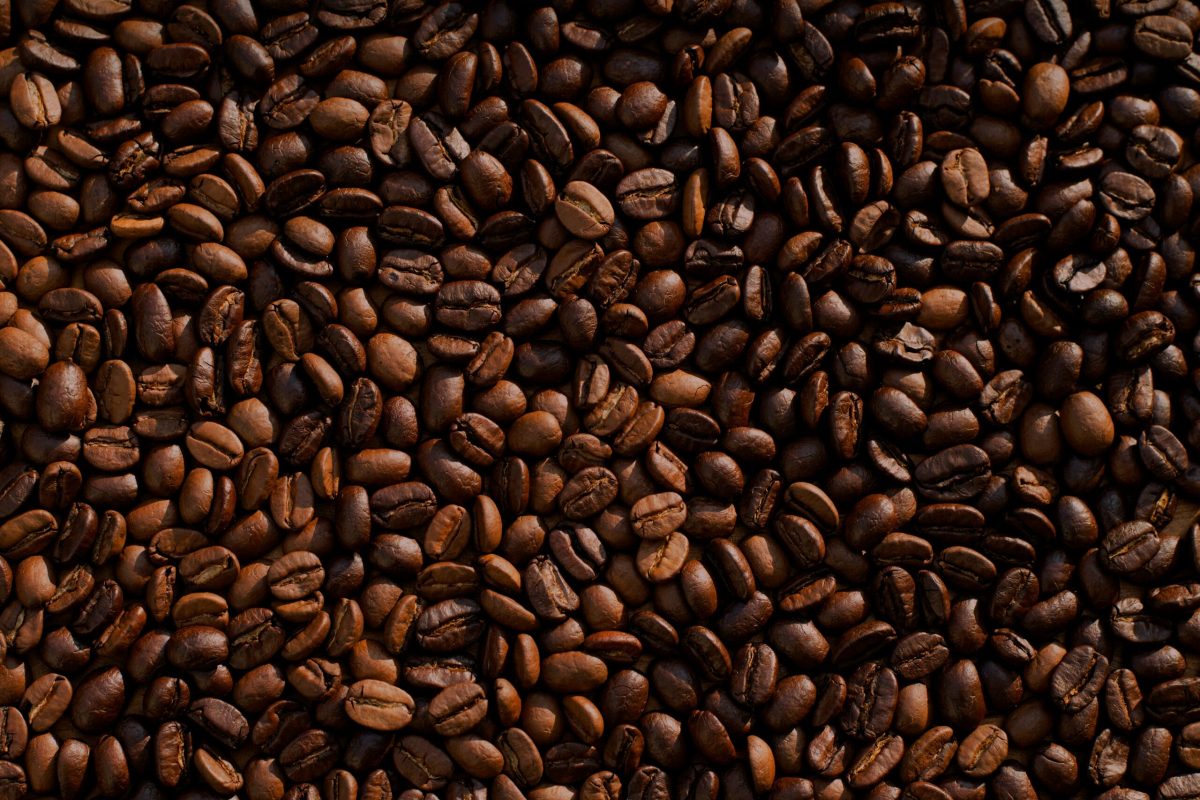
Coffee bean lot showing a blend of different roasted coffee beans

What the Numbers Actually Mean

When a coffee blend is labelled 70/30 Arabica/Robusta, the numbers refer to the percentage by weight of each coffee species in the blend. In this case, 70 percent of the blend is Arabica beans and 30 percent is Robusta beans. The ratio is a fundamental part of how the blender has balanced flavour, body, crema, and caffeine content.

Blending two species rather than using a single species is common in espresso, where the interplay between different beans can produce a more complex and consistent result than either species alone.

Arabica vs. Robusta: The Key Differences

To understand what a 70/30 ratio delivers, it helps to know what each species brings to the cup:
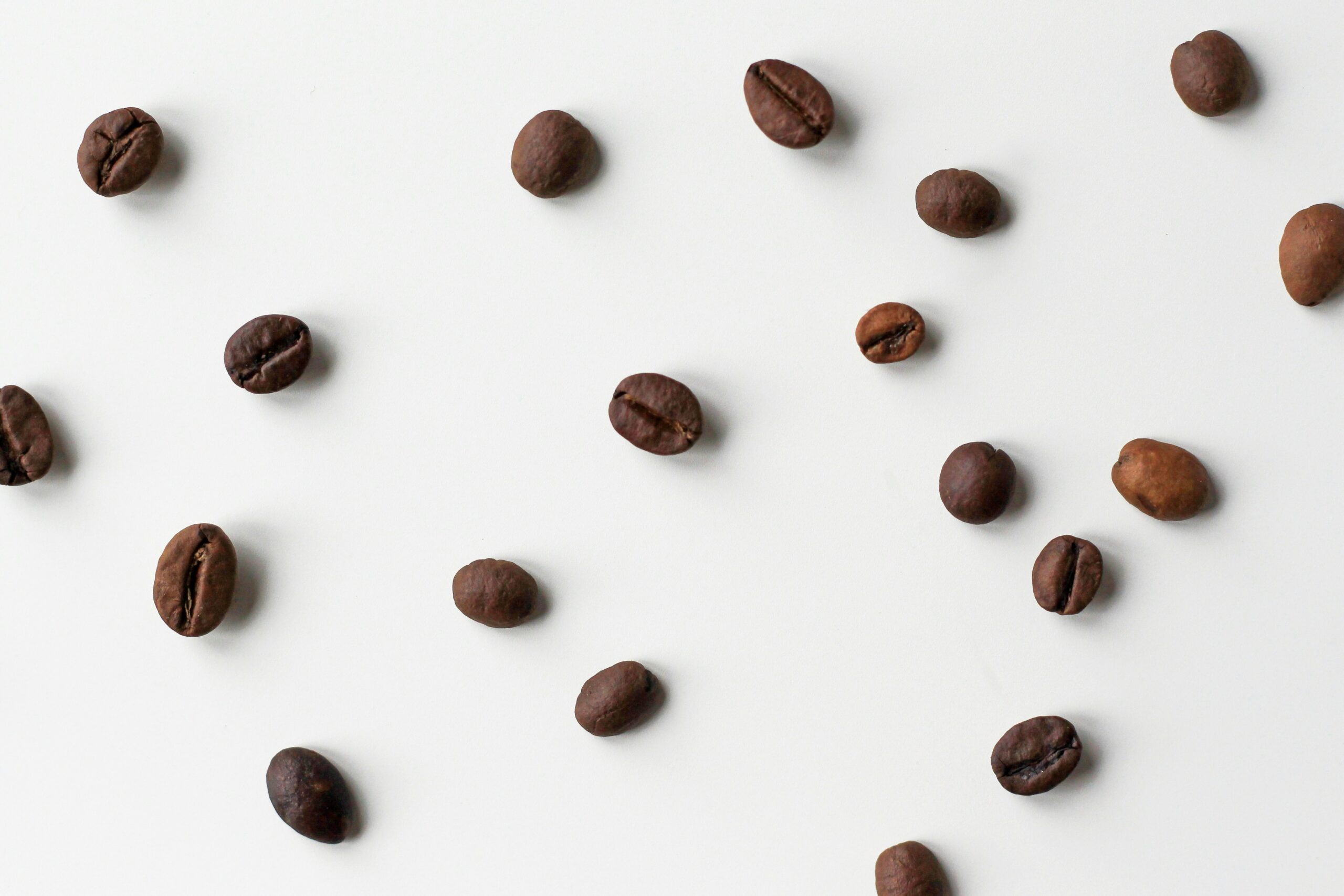
  • Arabica — typically sweeter, more aromatic, and more complex in flavour. Arabica beans tend to have notes of fruit, chocolate, and florals. They are lower in caffeine and contain more sugars and lipids, which contribute to a smooth, nuanced cup. Higher acidity is common.
  • Robusta — stronger, earthier, and more bitter. Robusta has roughly twice the caffeine of Arabica, is higher in chlorogenic acids, and has less sugar. It produces a thicker body and, crucially for espresso, a more persistent and stable crema. Flavour notes lean toward wood, dark chocolate, and grain.
Espresso coffee cup with coffee beans flat lay arrangement

What a 70/30 Blend Produces

A 70 percent Arabica, 30 percent Robusta blend sits in a well-established sweet spot for espresso. At this ratio:

  • Crema: The Robusta component produces a rich, thick crema with good longevity. Pure Arabica espresso often produces a thinner or less stable crema, so the Robusta addition is a meaningful improvement for espresso preparation.
  • Body: The blend will have a fuller, heavier body than a pure Arabica coffee, without the extreme heaviness of a high-Robusta blend.
  • Flavour: The Arabica’s sweetness and complexity dominate, while the Robusta adds depth, earthiness, and a slight bitterness that rounds out the flavour and prevents it from being one-dimensional.
  • Caffeine: Robusta’s higher caffeine content means a 70/30 blend will have more caffeine than a pure Arabica coffee of the same weight — useful for those who want a stronger morning kick.

Why Espresso Blends Often Use Robusta

In Italian espresso tradition, Robusta has always played a role in many blends. This reflects the practical realities of espresso as a brewing method: the high pressure, short extraction time, and focus on crema all benefit from what Robusta brings.

A well-sourced, quality Robusta is not bitter or harsh — it adds structure and richness. The negative reputation Robusta sometimes has in specialty coffee circles is largely due to low-quality Robusta, not the species itself. Good Robusta, roasted appropriately and blended well, is a genuine asset in an espresso blend.
Close-up coffee bean background texture showing roasted beans

Is 70/30 Right for You?

A 70/30 blend works particularly well if you:

  • Primarily brew espresso or use a stovetop moka pot
  • Enjoy a full-bodied, strong cup with good crema
  • Want a coffee that holds up well with milk in a latte or flat white
  • Prefer a bolder, more traditional espresso character rather than the lighter, more delicate profile of a single-origin Arabica

If you prefer lighter, more fruit-forward brews — pourovers, AeroPress, or filter coffee — a higher Arabica ratio or a pure Arabica single origin will usually suit you better. The Robusta addition in a 70/30 blend adds character that shines in espresso but can come across as heavier or more bitter in slower, longer extractions.
Macro detail of roasted coffee beans showing texture and colour

Other Common Ratios

For context, blends vary widely in their Arabica/Robusta ratio:

  • 100% Arabica: the purest expression of Arabica character — sweet, complex, bright. Less crema in espresso.
  • 80/20: a lighter Robusta addition, still primarily Arabica in character but with added body and crema.
  • 70/30: the classic Italian-style espresso balance — strong body, good crema, assertive flavour.
  • 60/40 or 50/50: heavier Robusta presence, stronger body and bitterness — common in traditional southern Italian blends and Moka-style coffees.

Explore Our Espresso Blends

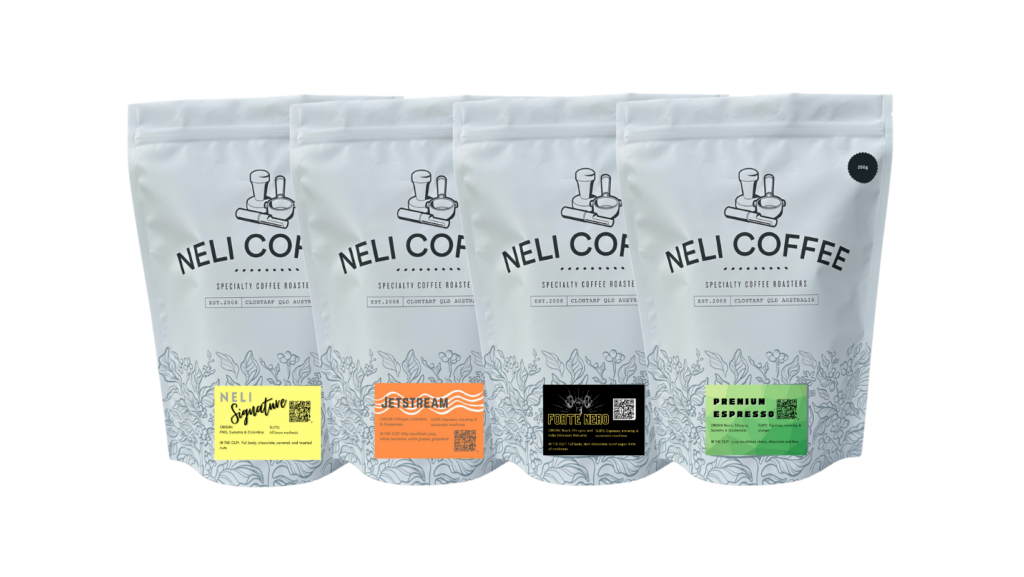
At Neli Coffee, we offer a range of espresso blends including carefully balanced Arabica/Robusta ratios suited to home espresso machines. Browse our blend range to find a coffee that matches how you like your espresso — from bright and fruity to bold and traditional.
You have already read:

Recent Posts