Sumatra Coffee – Why It Tastes So Different from African Beans
If you have ever tasted a Sumatran

Walk into any supermarket or specialty cafe and you will see the word “organic” on coffee bags everywhere. But what does it actually mean? Is all organic coffee the same? And is it worth paying more for?
The short answer is: not all organic labels are created equal. Understanding what to look for can save you money and help you choose coffee that genuinely aligns with your values.
In Australia, the word “organic” on a food product is not legally protected at the federal level in the same way it is in the United States or European Union. This means any brand can technically use the term without third-party verification unless they carry a recognised certification mark.
Genuine organic coffee is grown without synthetic pesticides, herbicides, or chemical fertilisers. Farmers use natural methods such as composting, shade-growing, and crop rotation to maintain soil health and manage pests.
Conventional coffee is one of the most heavily sprayed crops in the world. While roasting destroys most residues, trace amounts can remain. More importantly, the environmental impact on farming communities and surrounding ecosystems is significant. Organic farming practices protect local waterways, biodiversity, and the health of the farmers themselves.
When buying organic coffee in Australia, look for bags carrying one of these recognised certification marks:
If a bag simply says “organic” with no certification logo, treat it with scepticism. Ask the roaster directly about their sourcing and whether they have documentation from the farm or importer.
Organic certification says nothing about flavour quality. A well-grown, carefully processed, and expertly roasted conventional coffee will taste better than a poorly handled organic one.
That said, many of the conditions that support organic farming — shade growing, healthy soil, slower ripening — also contribute to better cup quality. Arabica varieties grown under shade canopy often develop more complex sugars and nuanced flavours than sun-grown, high-yield crops. So while organic does not guarantee quality, the two often go hand in hand at the specialty end of the market.
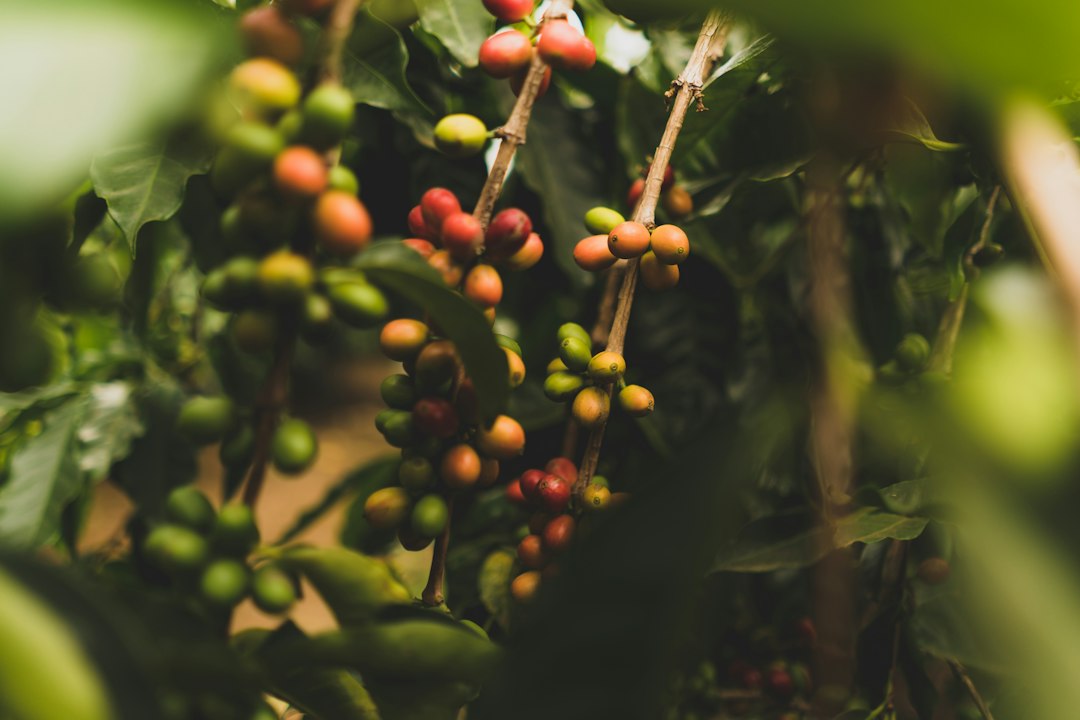
Some specialty roasters do not pursue organic certification but work directly with small farms they know personally. Direct trade relationships often mean they can verify farming practices themselves without relying on a third-party certifier.
Certification costs money and involves ongoing audits — a burden that can be prohibitive for very small farms, even if their practices are entirely clean. A trusted direct trade relationship can sometimes offer more transparency than a certification label alone.
The best approach is to ask your roaster. A good specialty roaster should be able to tell you where their beans come from, how the farmers are paid, and what farming methods are used.
If environmental impact and farming practices matter to you, then yes — certified organic coffee is worth seeking out. You are supporting farming methods that are better for the land, better for farming communities, and better for long-term agricultural sustainability.
If your primary concern is taste and quality, focus on freshly roasted specialty beans from a roaster you trust. Ask them about their sourcing. The best coffee — organic or otherwise — comes from roasters who care about the full supply chain from farm to cup.
At Neli Coffee, we source our beans with care and transparency. Browse our range to find single origins and blends that reflect our commitment to quality and responsible sourcing.
If you have ever tasted a Sumatran
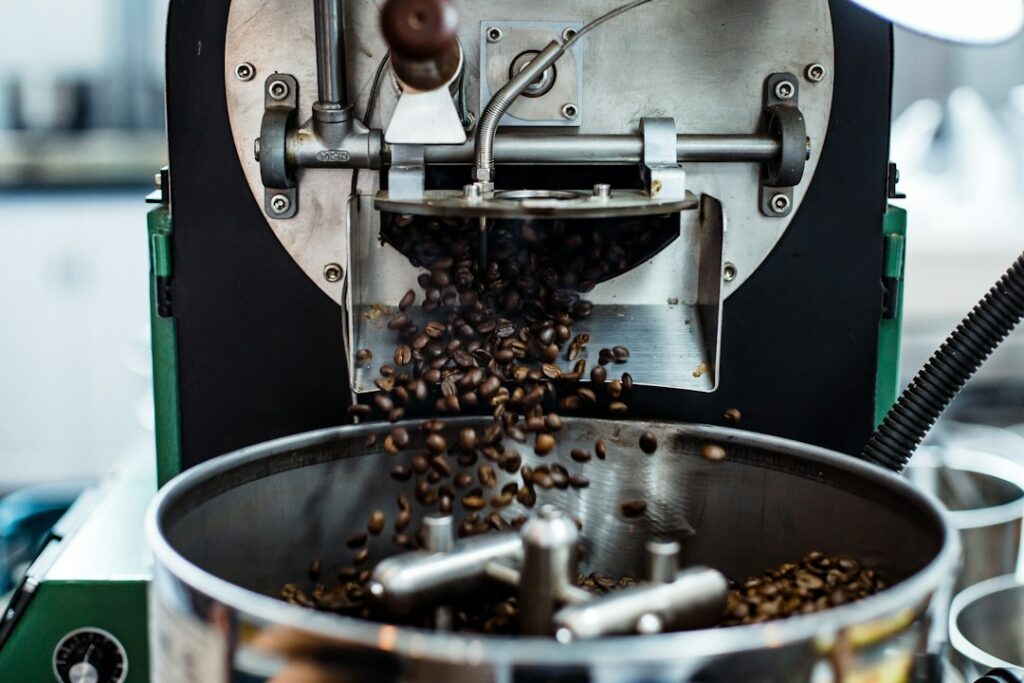
Your grinder matters more than your machine. Here’s an honest guide to the best coffee grinders for home espresso in Australia — from entry-level to serious upgrades.
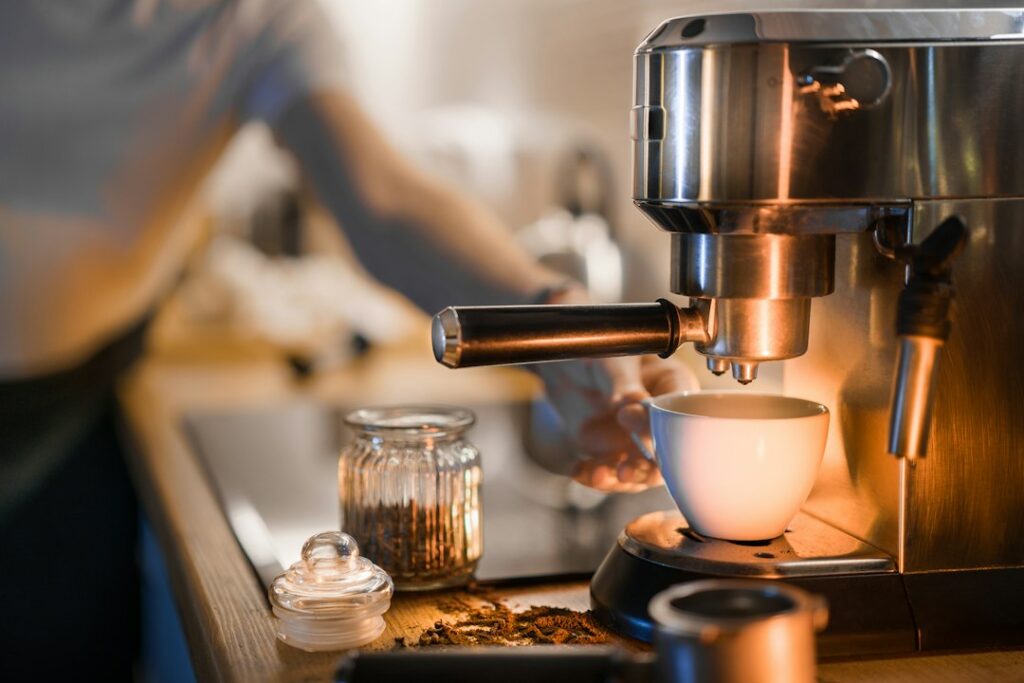
Looking for a home espresso machine in Australia? We break down the best options from entry-level to prosumer — with honest advice on what you’ll actually use.
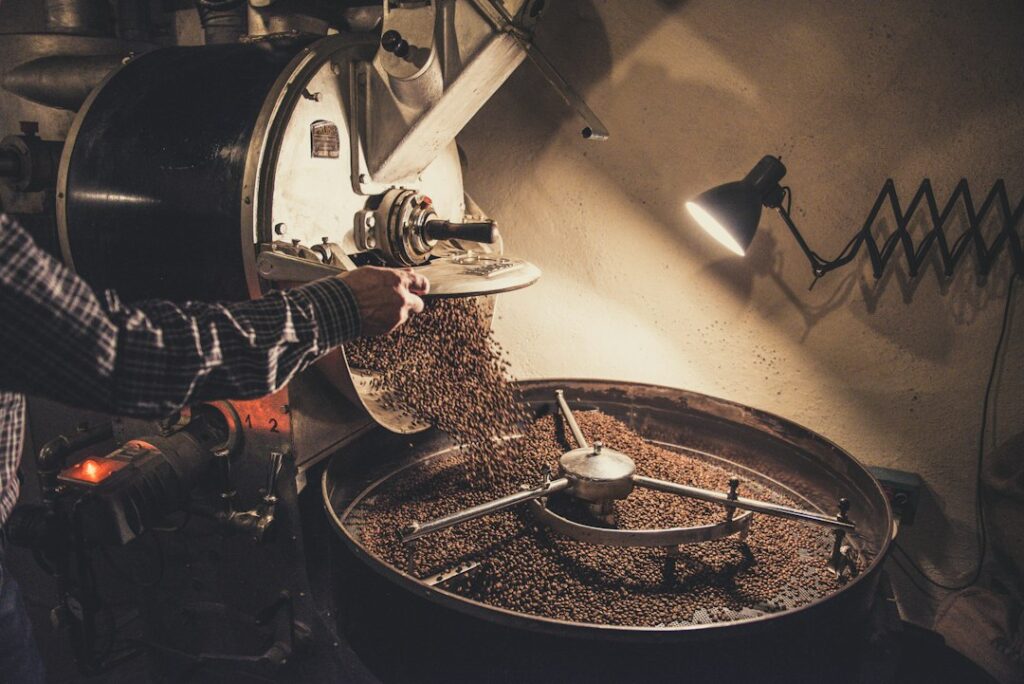
Swiss Water Process is the gold standard for decaffeination — no chemicals, just water, time, and science. Here’s how it works and why it matters for your cup.