Two Countries, Two Very Different Cups
Ethiopia and Colombia are two of the most celebrated coffee-producing countries in the world, yet the coffees they produce could not taste more different. Ethiopian coffee is renowned for its bright, fruit-forward character, while Colombian coffee is known for a balanced, smooth sweetness. Understanding these differences helps you choose the right bean for your brewing method and flavour preference.
This comparison looks at both origins through their taste profiles, growing conditions, and how each performs across common brewing methods. Whether you are discovering single origin coffee for the first time or looking to deepen your palate, this guide will give you a clear picture of what to expect from each.

Ethiopian Coffee — Bright, Fruity, and Complex
Ethiopia is widely regarded as the birthplace of coffee, and the diversity of flavour from this origin is unlike anywhere else in the world. Ethiopian coffees are celebrated for their:
- Bright acidity — often described as citrus or berry-like, Ethiopian coffee has a vibrant, wine-like acidity that is more pronounced than most other origins
- Floral and fruit notes — jasmine, bergamot, blueberry, strawberry, and peach are all commonly found in natural-processed Ethiopians
- Light to medium body — Ethiopian coffee tends to have a lighter body than South American origins, which makes it particularly suited to filter brewing methods
- Complexity — the flavour layers in a well-prepared Ethiopian coffee can shift as the cup cools, revealing new notes throughout the drink
Ethiopian coffees are grown at high altitudes in regions such as Yirgacheffe, Sidamo, and Harrar. Yirgacheffe is perhaps the most well-known region for washed-process coffees with clean, tea-like clarity and intense florals. Natural-processed Ethiopians tend to be even more fruit-forward and heavier in sweetness.
Colombian Coffee — Smooth, Balanced, and Versatile
Colombia has long been synonymous with quality coffee, and for good reason. The country’s geography — with high-altitude growing regions spread across three mountain ranges — creates conditions ideal for producing clean, consistent, well-balanced coffee. Colombian coffees are known for:

- Balanced sweetness — brown sugar, caramel, and honey notes are hallmarks of Colombian coffee, creating a naturally sweet cup
- Mild, pleasant acidity — Colombian coffee has acidity, but it is softer and more approachable than Ethiopian coffee — often described as apple or citrus rather than berry
- Medium body — the body is fuller than most Ethiopian coffees, giving it a more rounded, satisfying mouthfeel
- Chocolate and nut undertones — many Colombian coffees have a subtle dark chocolate or hazelnut quality, particularly at medium-to-dark roast levels
- Versatility — Colombian coffee performs well across almost any brewing method, from espresso to pour-over to French press

Head-to-Head Comparison
Here is a side-by-side breakdown of how the two origins compare across key taste attributes:
- Acidity: Ethiopia = high and bright; Colombia = moderate and soft
- Body: Ethiopia = light to medium; Colombia = medium to full
- Sweetness: Ethiopia = fruity, almost wine-like; Colombia = caramel and brown sugar
- Flavour notes: Ethiopia = blueberry, jasmine, citrus, peach; Colombia = caramel, apple, chocolate, hazelnut
- Best brew method: Ethiopia = filter (pour-over, Chemex, AeroPress); Colombia = versatile across all methods
- Roast level: Ethiopia = light to medium best preserves origin character; Colombia = medium to medium-dark works well
Which Should You Choose?
The right choice depends entirely on what you are looking for in a cup:

- Choose Ethiopian coffee if you enjoy bright, complex, fruit-forward flavours and are brewing with a filter method. Ethiopian coffees reward slow, careful brewing and offer a constantly evolving flavour experience as the cup cools.
- Choose Colombian coffee if you prefer a smooth, sweet, well-rounded cup that works across multiple brewing methods. Colombian coffees are particularly forgiving and are a great choice for anyone who wants consistency and balance without sacrificing quality.
- Try both — many coffee drinkers keep one of each on hand, reaching for the Ethiopian when they want something exceptional through a pour-over, and the Colombian for everyday espresso or a French press.

How Processing Method Changes the Story
It is worth noting that processing method has a significant impact on the final cup, sometimes as much as origin itself. Ethiopian naturals (dry-processed) will taste dramatically different from Ethiopian washed coffees, even when grown in the same region. Similarly, a Colombian natural will taste different from a Colombian washed — more fruit-forward and sweet.
When comparing the two origins, it is most useful to compare like for like: washed Ethiopian versus washed Colombian, or natural Ethiopian versus natural Colombian. Each pairing will show a different side of what each country can produce.
Explore Single Origin at Neli Coffee
Neli Coffee sources single origin beans from carefully selected farms and cooperatives. Whether you are drawn to the vibrant brightness of Ethiopian coffee or the smooth sweetness of a quality Colombian, you will find options worth exploring in our range. Browse our single origin selection to find your next favourite cup.
Recommended products
-
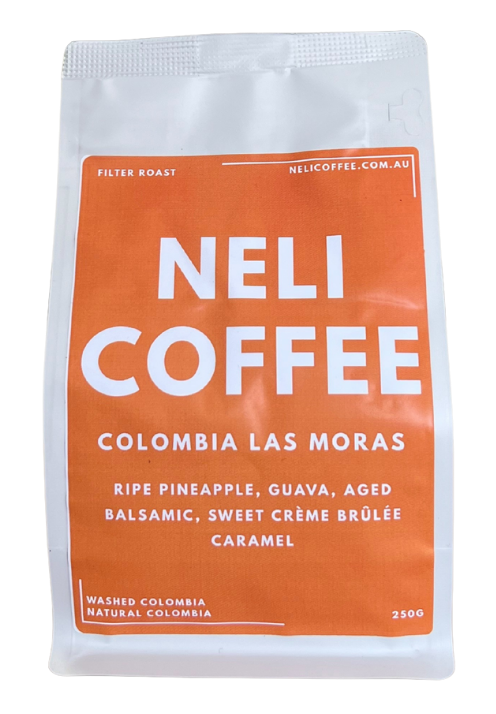
Colombia Excelso Las Moras FILTER ROAST Coffee Beans
$20.00 -
Colombia Las Margaritas – La Esperanza – Pacamara Natural Microlot- Filter Roast Coffee Beans – 250g
$30.00 -
Colombia Paola Trujillo – Patio Bonito – Washed Wush Wush – Filter Roast Coffee Beans – 250g
$30.00 -
Colombia Sebastian Gomez – La Divisa – Washed Gesha – Filter Roast Coffee Beans – 250g
$30.00