
Decaf Coffee for Acid Reflux — Does It Actually Help?
Coffee and Acid Reflux — A Common

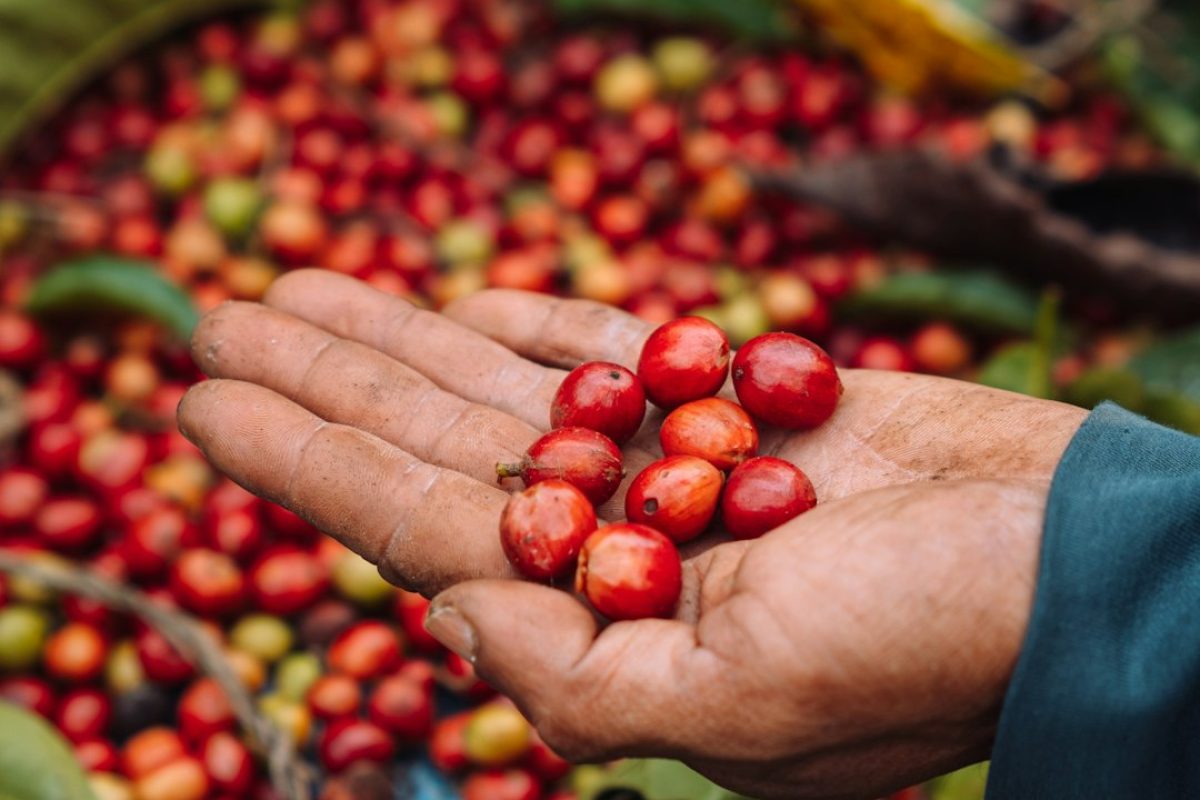
Colombian coffee is one of the most widely recognised origins in the world and one of the most misunderstood. The reputation as a reliable, balanced cup is well-earned, but it barely scratches the surface of what Colombian coffee can be. The country produces everything from soft, caramel-sweet washed beans to vibrant, fruit-forward naturals, depending on the region and producer. Here is what to look for.
Colombia’s geography is almost perfectly suited to high-quality Arabica production. The country straddles the equator, which means consistent year-round temperatures; the Andes mountain range provides high-altitude growing conditions (typically 1,200 to 2,000 metres above sea level); and the dual harvest seasons mean fresh Colombian coffee is available throughout the year.
High altitude slows the growth of the coffee cherry, allowing more time for sugars to develop. Combined with diurnal temperature variation (warm days and cool nights), this produces beans with complex flavour and a bright, clean acidity.
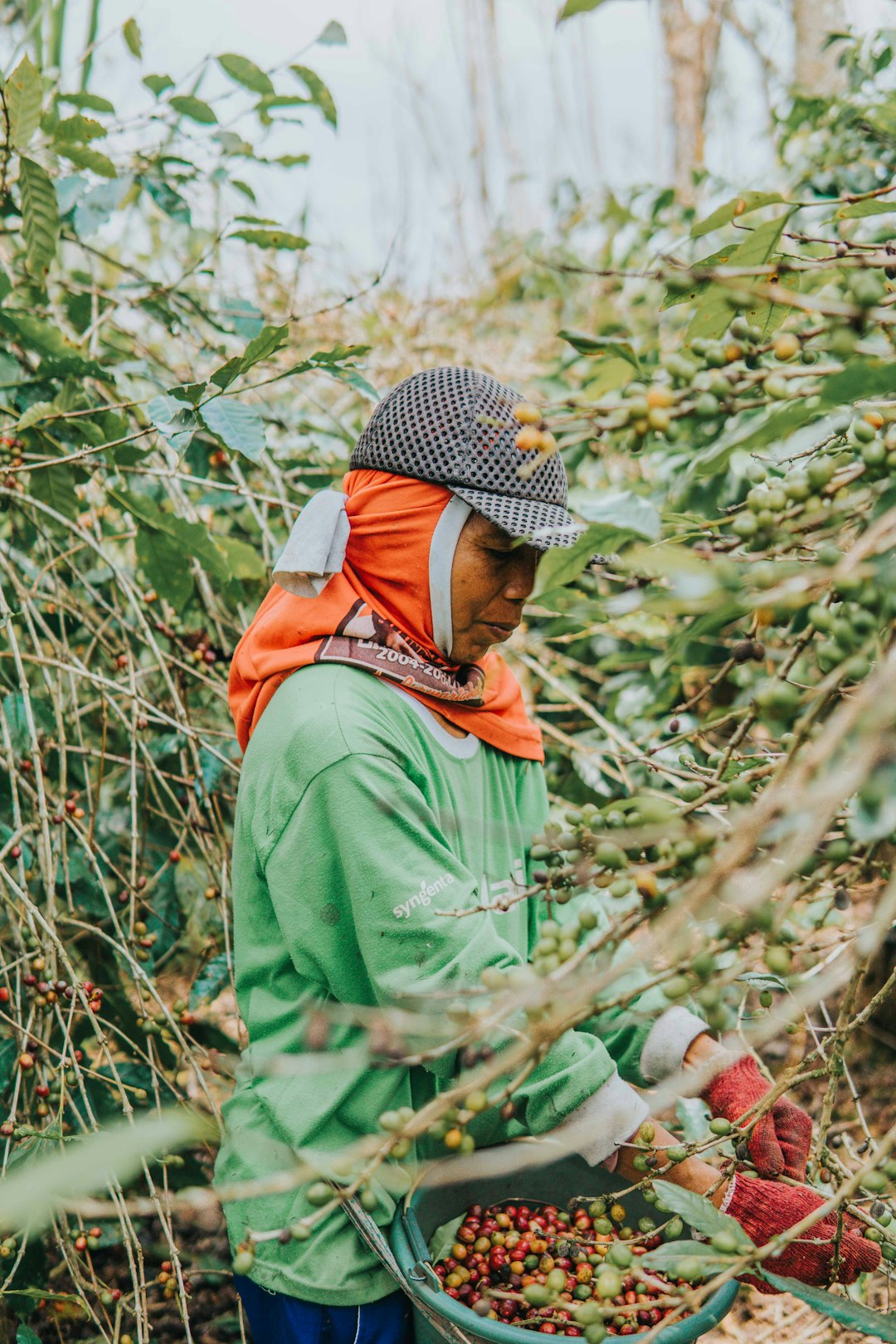
The majority of Colombian coffee is washed (wet processed), which strips the fruit from the bean before drying and emphasises the bean’s intrinsic characteristics. Washed Colombian coffees tend to be clean and bright, with well-defined acidity and flavours that directly reflect the origin.
Natural and honey-processed Colombian coffees are less common but increasingly available through specialty channels. These methods leave the fruit on or partially on the bean during drying, adding sweetness and body, often with stone fruit, tropical fruit or berry notes layered on top of the base flavour.
At the commodity end, Colombian coffee tends to be smooth and mild: low in bitterness, medium body, easy to drink. At the specialty end, Colombian coffee is among the world’s most expressive. A Huila natural might offer raspberry, guava and caramel in the same cup. A Narino washed might be bright and floral with a clean, lingering finish.
Washed Colombian coffees shine in filter brewing: pour-over, Chemex, Aeropress. Medium roasts work particularly well for drip and pour-over. Espresso is also excellent, especially at medium to medium-dark roast, where the natural sweetness and body suit the concentrated extraction well.
Natural-processed Colombian beans work beautifully as espresso and in milk-based drinks. The added sweetness and fruit complexity carry through milk well, making for outstanding flat whites and lattes.
Neli Coffee stocks Colombian beans from select farms, chosen for their traceability and cup quality. Check the current range for available origins and processing methods.

Coffee and Acid Reflux — A Common
Why Green Coffee Storage Matters Green coffee

Two Different Drinks, Often Confused Walk into

Why Cold Brew Coffee? Cold brew coffee