
Decaf Coffee for Acid Reflux — Does It Actually Help?
Coffee and Acid Reflux — A Common

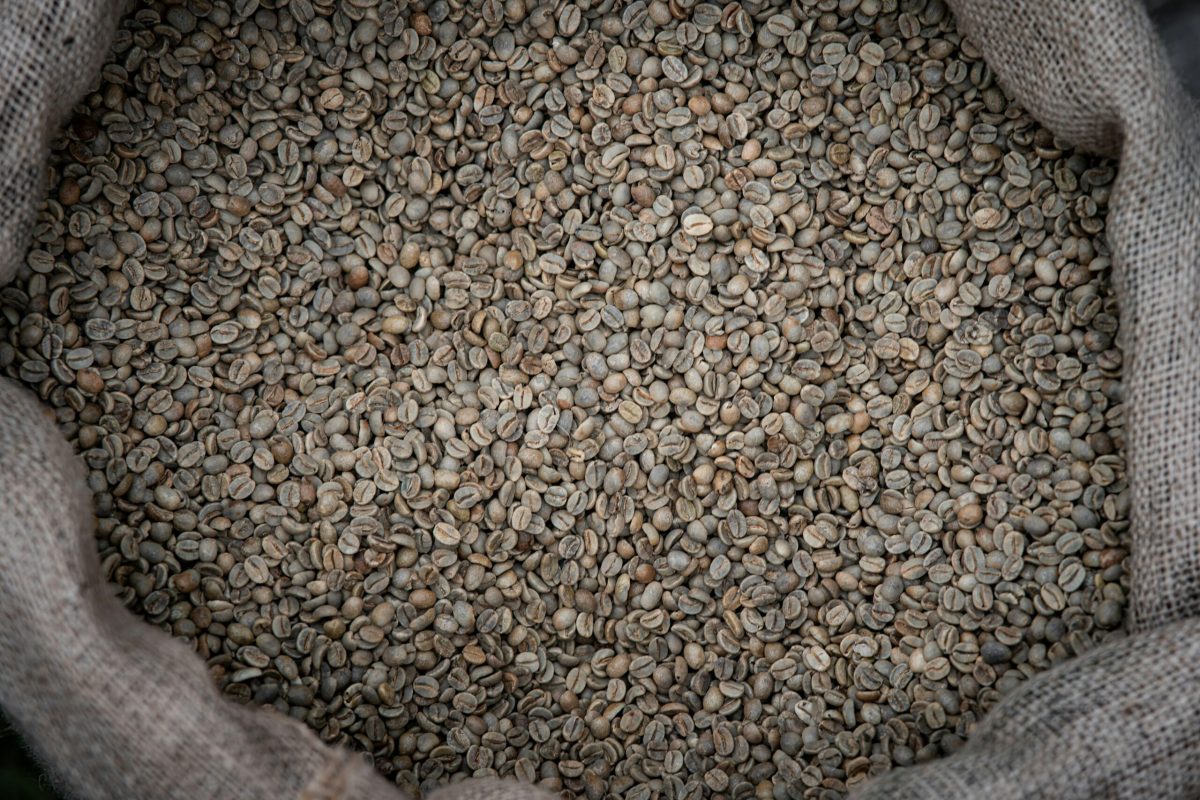
If you have ever bought a bag of roasted coffee only to find it tasting flat a few weeks later, you have experienced the central challenge of working with roasted beans. Roasted coffee is a perishable product. Green coffee beans — the raw, unroasted seeds — behave very differently. They can be stored for months or even years without significant quality loss, while roasted beans begin declining within weeks of roasting.
Understanding why this is the case helps you make smarter decisions about how you buy, store, and use coffee.
The roasting process transforms green coffee beans through a series of chemical reactions. Heat drives off moisture, breaks down complex carbohydrates, develops aromatic compounds, and causes the beans to expand. The Maillard reaction and caramelisation produce the hundreds of volatile compounds that give roasted coffee its flavour and aroma.
These volatile compounds are also what makes roasted coffee so fragile. Once formed, they begin escaping the bean immediately. This is the carbon dioxide you see degassing from freshly roasted coffee — it carries aromatic compounds with it. Oxygen accelerates the breakdown of the oils and flavour compounds that remain. The result is staling: a progressive flattening and dulling of the coffee’s original character.
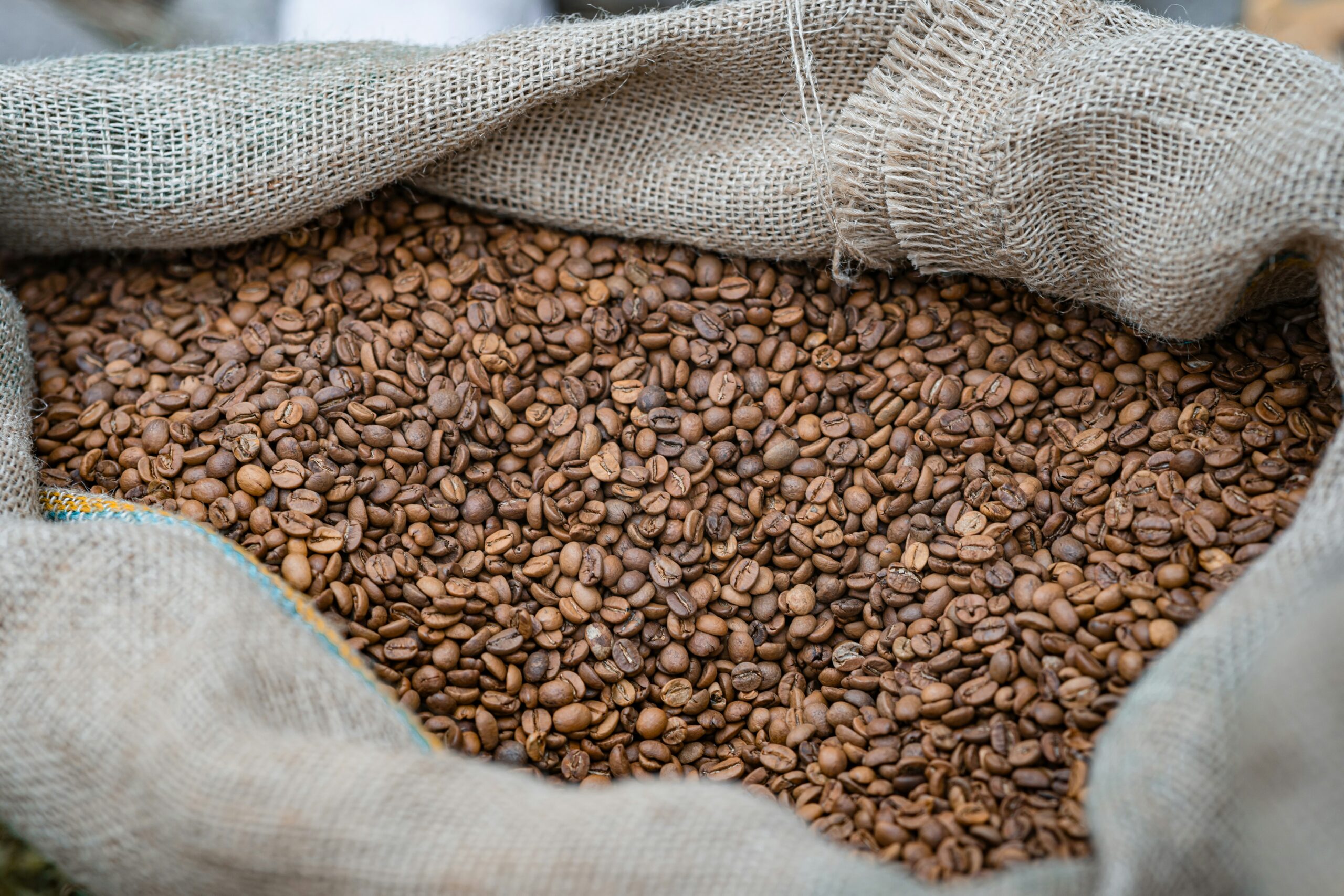
Green coffee beans have not yet undergone those transformative reactions. The flavour precursors — sugars, amino acids, chlorogenic acids, and lipids — are still locked inside the bean’s structure in a relatively stable form. Without the volatile aromatic compounds that roasting creates, there is far less to degrade.
Green beans do still change over time. They lose moisture slowly, and some of the precursor compounds do degrade, which is why very old green coffee can taste flat or papery when roasted. But the rate of change is dramatically slower than with roasted beans. Under good storage conditions — cool, dry, away from light and strong odours — quality green beans can hold for one to two years without meaningful quality loss.
For roasted coffee, freshness is genuinely time-sensitive. A few rough guidelines:
These windows vary depending on the roast level, processing method, storage conditions, and bean variety. Lighter roasts tend to have longer optimal windows than darker roasts, partly because darker roasts have more surface oil that oxidises quickly.
Home roasting has become more accessible, and the shelf life difference between green and roasted beans is a significant advantage for anyone who roasts at home. By keeping green beans on hand and roasting in small batches as needed, you can:
The economics also work in favour of buying green. Green beans cost significantly less per kilogram than roasted beans from the same origin, partly because you are not paying for the roaster’s time and equipment, and partly because roasting loses weight (typically 15 to 20 percent) — a cost that is priced into roasted beans.
Even though green beans are stable, storage conditions still matter for maintaining quality over longer periods. The key factors are:
At Neli Coffee, we stock green coffee beans sourced from quality origins for home roasters and those who want to explore coffee at its most fundamental stage. Browse our green coffee selection to find origins suited to your preferred flavour profile and roasting approach.
Coffee and Acid Reflux — A Common
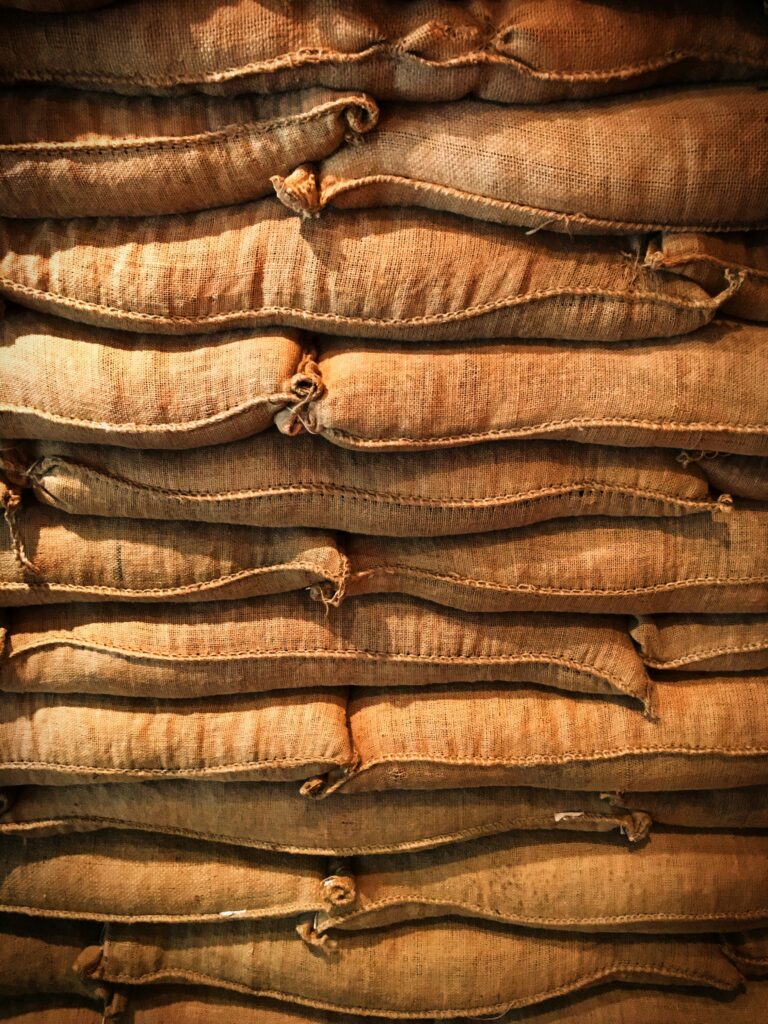
Why Green Coffee Storage Matters Green coffee

Two Different Drinks, Often Confused Walk into
Why Cold Brew Coffee? Cold brew coffee