

Decaf Coffee for Acid Reflux — Does It Actually Help?
Coffee and Acid Reflux — A Common

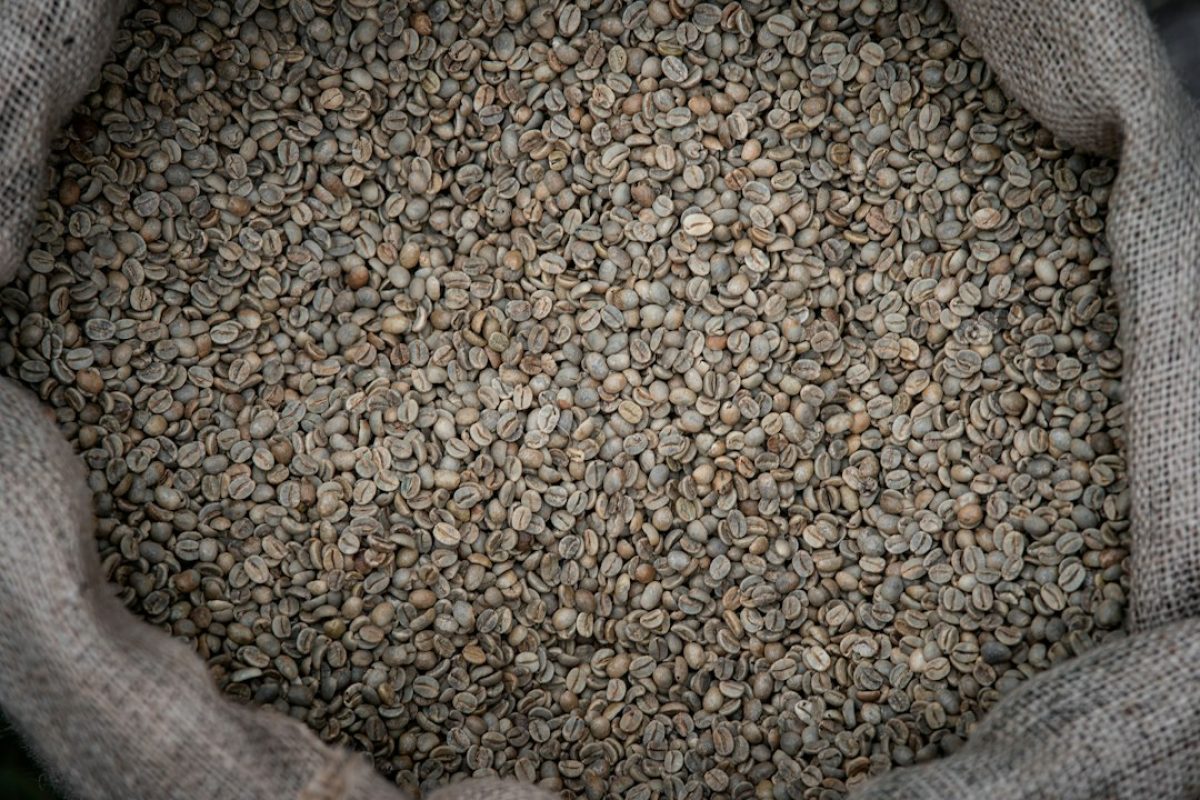
For anyone stepping into the world of small-batch coffee roasting, one of the most important decisions you will make is where to source your green beans. The quality, origin, and consistency of your green coffee directly shapes everything that comes out of your roaster. This guide covers what you need to know about sourcing wholesale green coffee beans in Australia — from understanding the supply chain to finding a supplier that suits your needs.
Green coffee beans are simply coffee seeds that have been harvested, processed, and dried but not yet roasted. At this stage they are stable, have a long shelf life of twelve months or more when stored correctly, and retain all the raw potential that a skilled roaster will later unlock through heat.
Unlike roasted coffee, green beans are traded by weight on a commodities market, but specialty-grade green coffee operates somewhat differently — with pricing based on cup quality, farm relationship, and supply agreements rather than the commodity price alone.
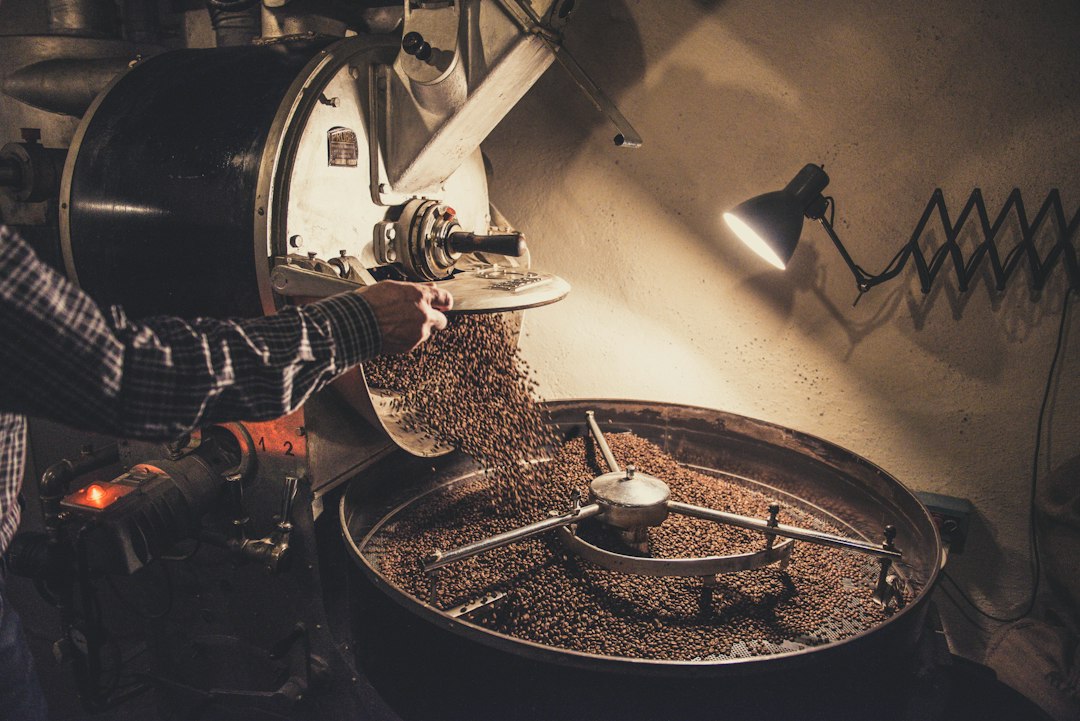
Green coffee arrives in Australia through a network of importers and green bean traders who buy from producing countries and sell to local roasters. The chain typically looks like this:
Some importers also operate as green bean brokers, representing specific farms or cooperatives and acting as the connection point between producers and Australian roasters. This model is common in the specialty coffee sector and often provides more traceability and transparency.
Not all green coffee is created equal. Quality is typically assessed using the Specialty Coffee Association (SCA) grading system, which evaluates physical defects, moisture content, and cup quality.
For small roasters building a reputation around quality, sourcing specialty-grade green beans is worth the higher cost. The difference in cup quality is significant, and it supports better outcomes for the farmers who grow the coffee.
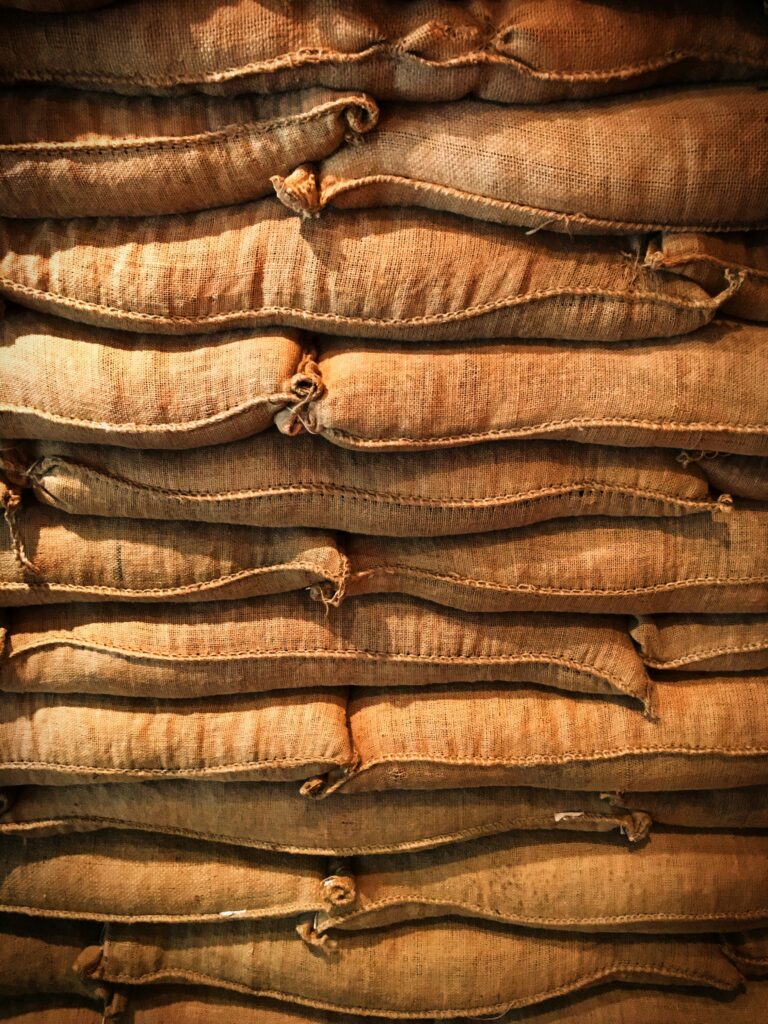
One of the practical challenges for small roasters is minimum order quantities (MOQs). Green coffee importers typically sell in quantities that reflect how the beans arrive in Australia — in 60kg or 70kg jute sacks, which is the standard container size for whole bags.
Many Australian green bean suppliers now offer split bags for smaller roasters, allowing you to purchase 5kg, 10kg, or 20kg samples. This makes it much more feasible to experiment with new origins or keep a diverse range of beans on hand without tying up too much capital.
Pricing varies widely depending on origin, grade, and market conditions. As a rough guide, specialty-grade green coffee in Australia often ranges from around $10 to $25 per kilogram or more, depending on the coffee and the relationship with the importer. Relationship-based or direct-trade coffees may command a premium but often deliver exceptional cup quality in return.
When evaluating potential suppliers, the following questions will help you assess whether they are the right fit for your roastery:
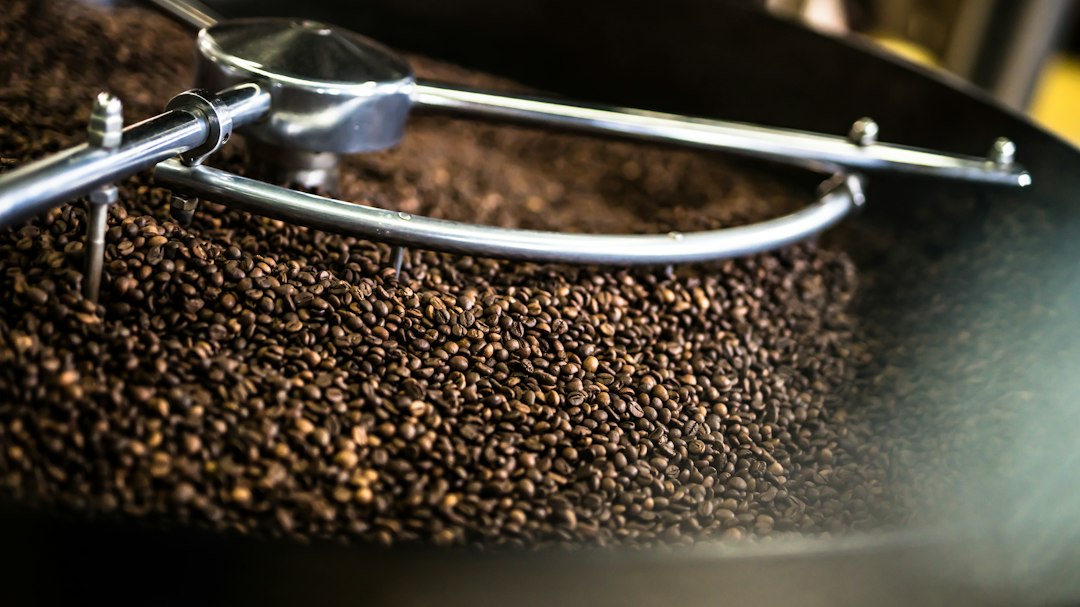
Green coffee is more resilient than roasted coffee, but it still requires proper storage to maintain quality over time. The key principles are:
Well-stored green coffee can remain at peak quality for twelve to eighteen months, though freshly harvested new crop beans are always preferable when available.
At Neli Coffee, we are passionate about the full journey from green bean to cup. While we primarily operate as a roastery selling freshly roasted specialty coffee, we understand the craft that goes into every stage of the process — including green bean selection. If you are interested in learning more about our sourcing approach or would like to explore our range of freshly roasted specialty beans, we welcome you to browse our coffee shop or get in touch with our team.
Coffee and Acid Reflux — A Common
Why Green Coffee Storage Matters Green coffee

Two Different Drinks, Often Confused Walk into
Why Cold Brew Coffee? Cold brew coffee