
Decaf Coffee for Acid Reflux — Does It Actually Help?
Coffee and Acid Reflux — A Common

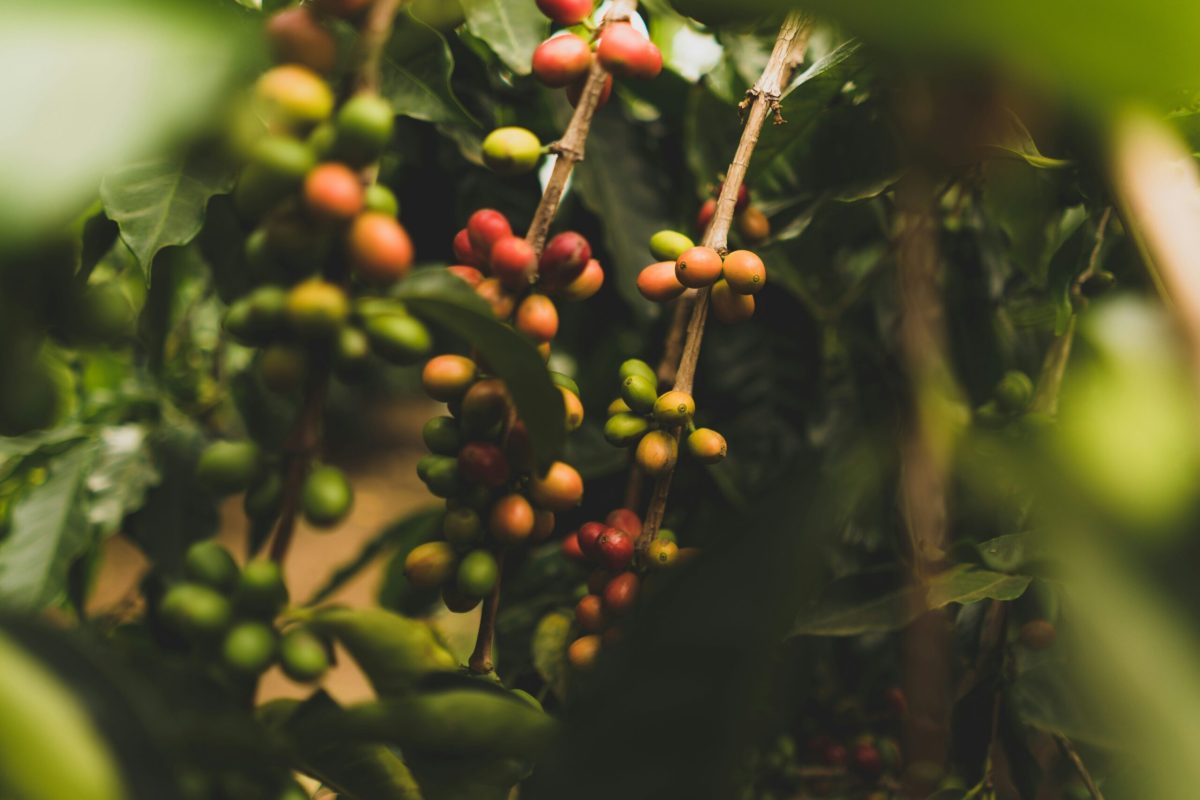
Single origin coffee comes from one specific place — a single country, region, farm, or even a single lot within a farm. Unlike a blend, which combines beans from multiple origins to create a consistent flavour profile, a single origin coffee is an unblended expression of where it grew.
The term can be applied at several levels of specificity:
Coffee flavour is shaped by a combination of genetics, environment, and processing. The term used in specialty coffee is “terroir” — borrowed from wine — which refers to the full set of environmental conditions that shape the character of what grows there.
Key factors that vary by origin and influence flavour include:
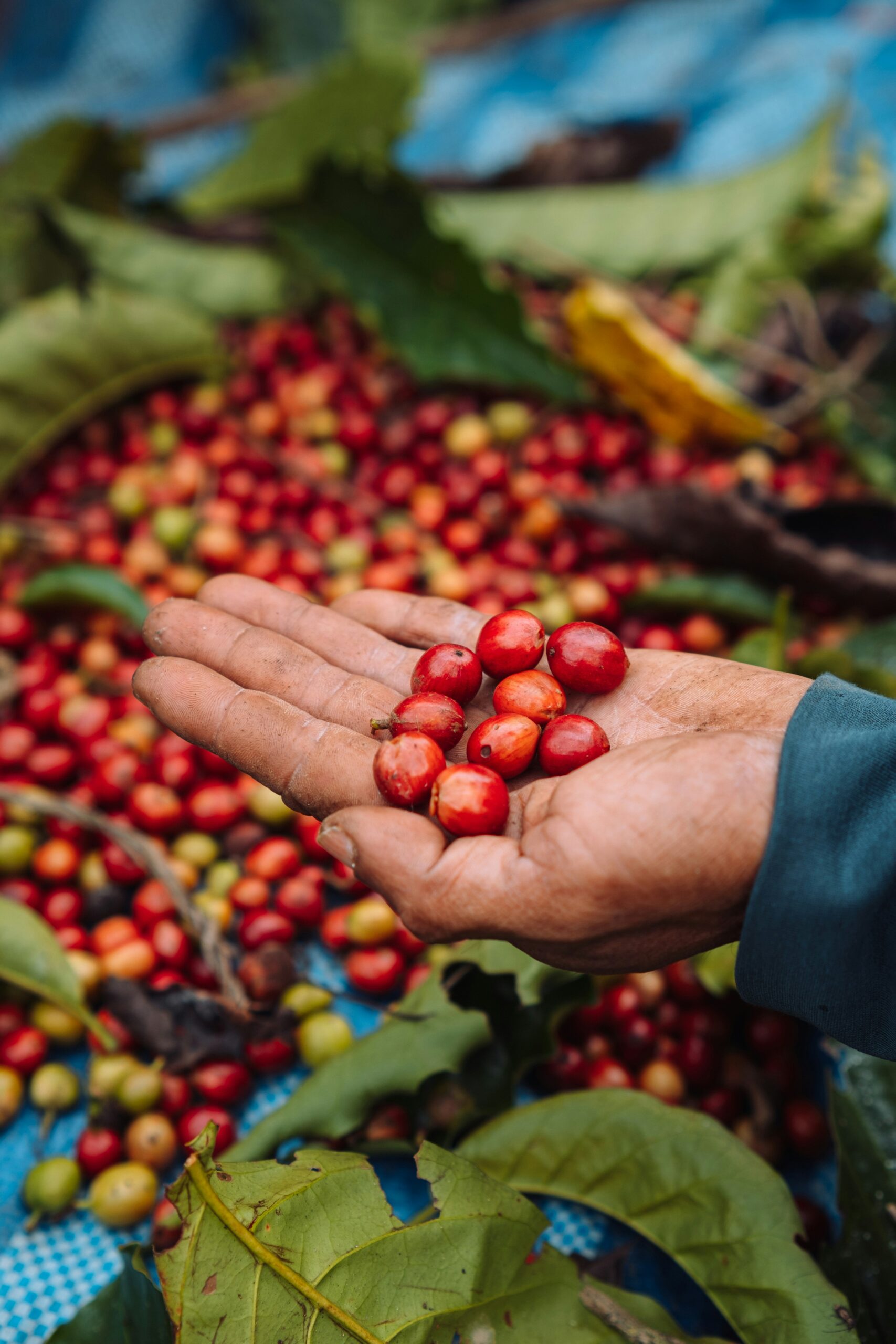
While every farm and harvest is different, certain regions are known for consistent flavour tendencies:
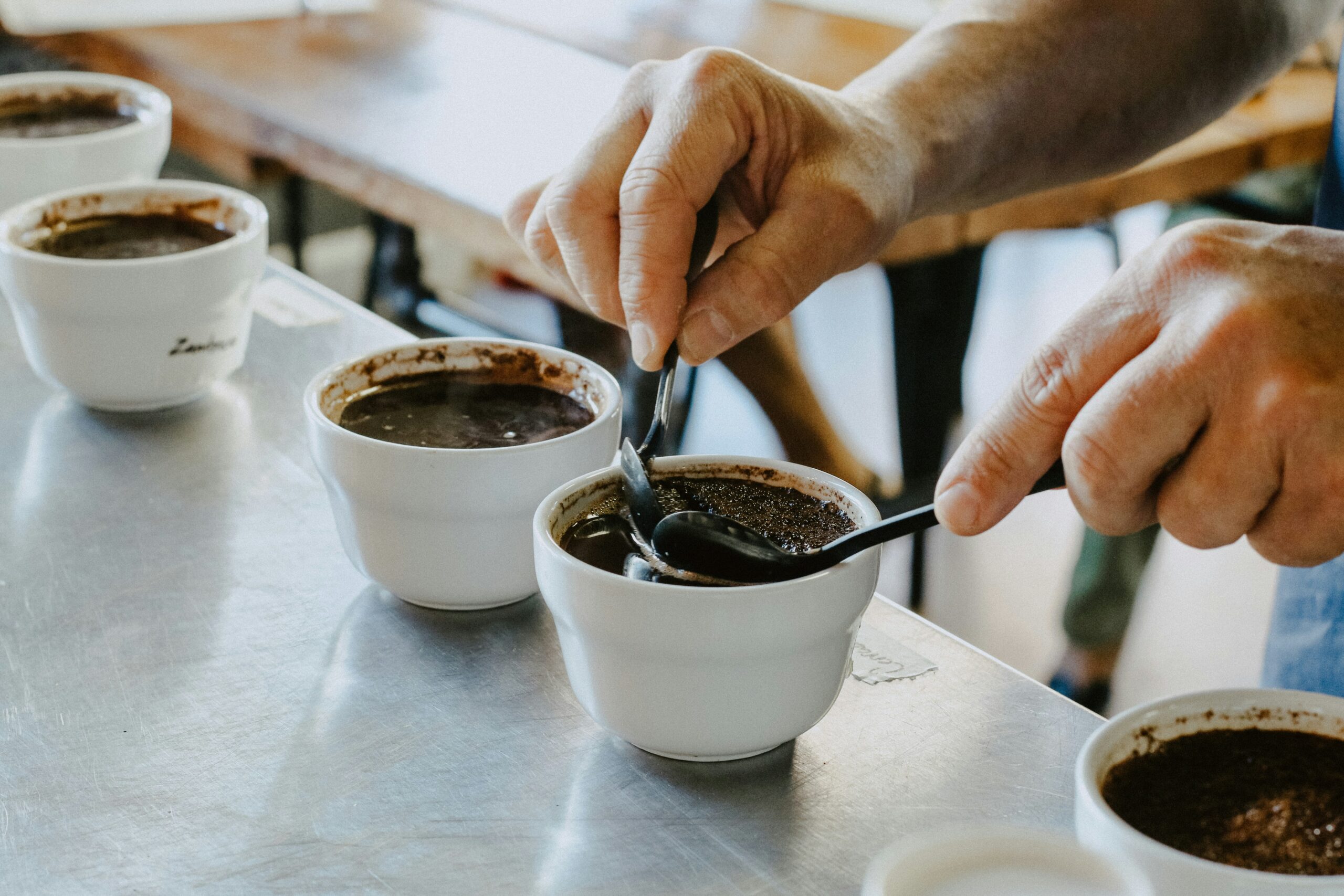
Neither is inherently better — they serve different purposes. A well-crafted blend offers consistency and balance, using multiple origins to round out weaknesses and create a reliable, repeatable cup. Single origins offer transparency and character: you taste a place, a harvest, and a specific set of decisions made on the farm.
For espresso, single origins are more demanding — the high pressure of espresso extraction amplifies both positive and negative characteristics. Bright, acidic single origins can taste sharp as espresso but shine as filter coffee. Fuller-bodied, lower-acidity origins (Brazil, PNG) often translate better to espresso.
Start with what you already know you enjoy. If you love milk-based drinks, look for single origins with natural sweetness and lower acidity — Colombian and Brazilian origins tend to hold up well in lattes. If you enjoy black coffee and appreciate nuance, a floral Ethiopian or a complex PNG will reward your attention.
Pay attention to the processing method listed on the bag. Natural-processed coffees are fruity and full; washed coffees are cleaner and brighter. Honey-processed coffees sit in between, with sweetness and body but less of the winey ferment.

Neli Coffee stocks a range of single origin coffees from distinct growing regions, including Papua New Guinea Asaro and a selection of African and Central American origins. Each is roasted to highlight its natural character rather than a house profile. Browse the current range to find a single origin that suits how you brew and what you enjoy in a cup.
Coffee and Acid Reflux — A Common
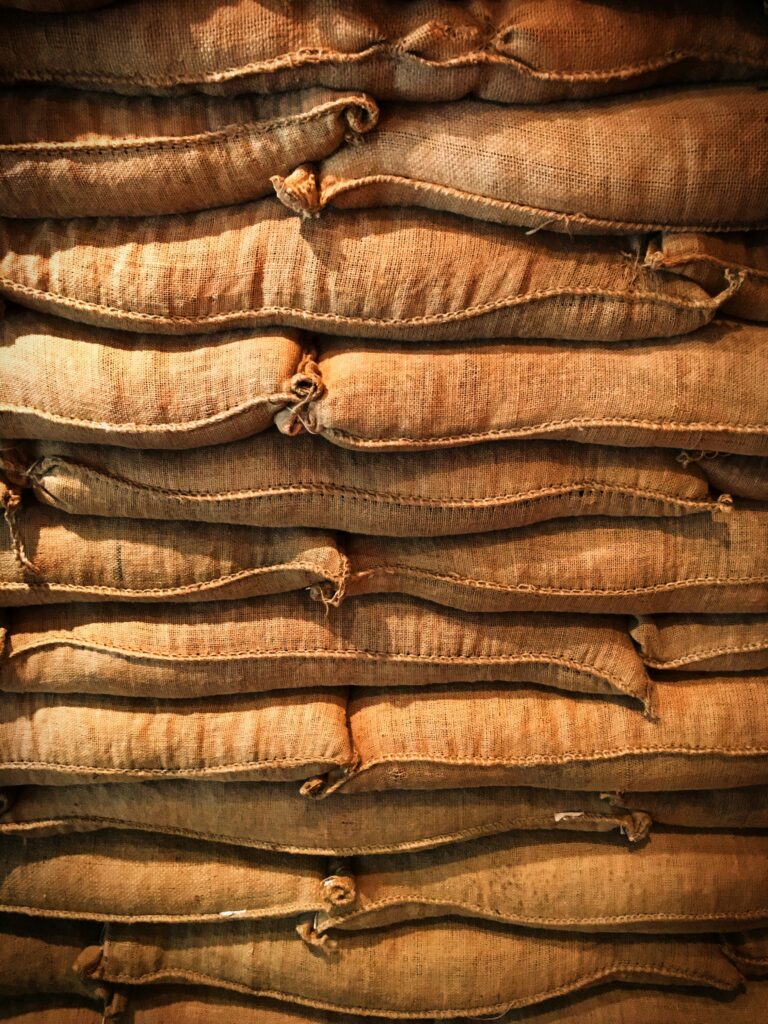
Why Green Coffee Storage Matters Green coffee

Two Different Drinks, Often Confused Walk into
Why Cold Brew Coffee? Cold brew coffee