Decaf Coffee for Acid Reflux — Does It Actually Help?
Coffee and Acid Reflux — A Common

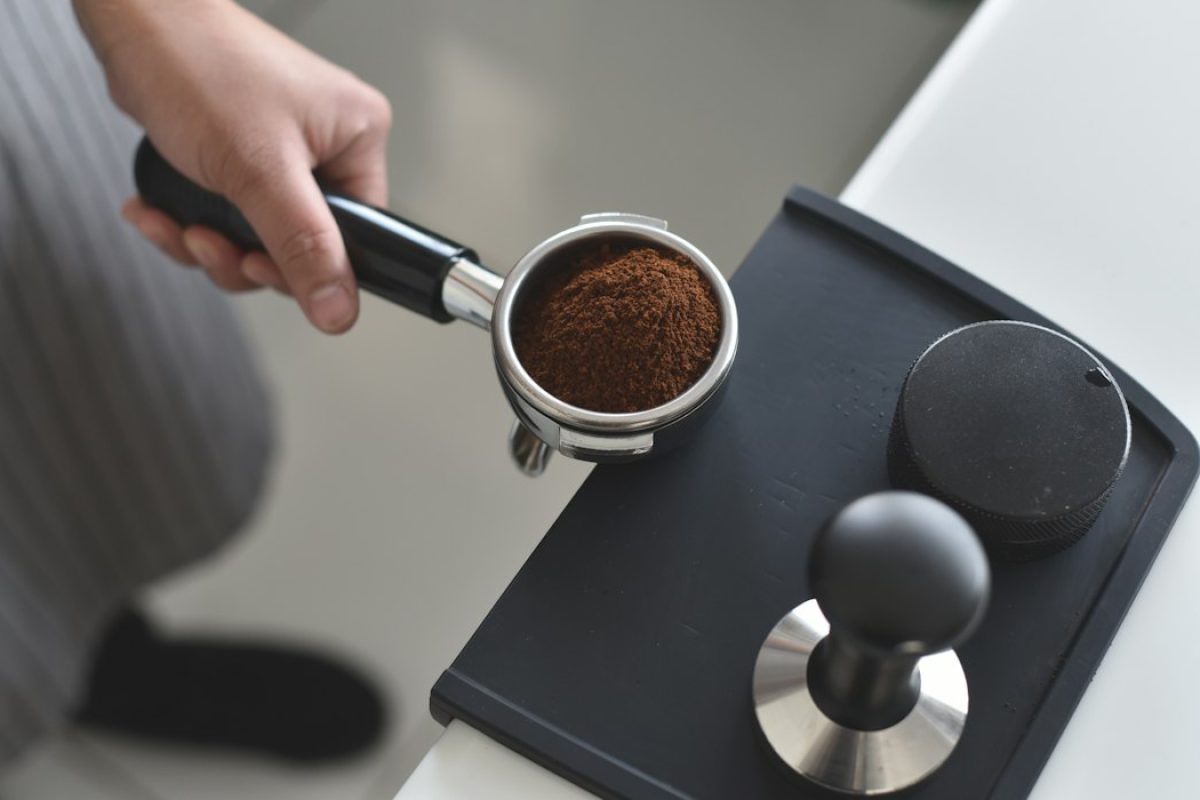
If you’ve ever watched a barista work, you’ve seen the quick, deliberate press of the tamper into the portafilter before the shot pulls. It looks almost automatic — a ritual gesture. But does tamping actually do anything meaningful to the espresso in your cup? The short answer is yes, quite a lot.
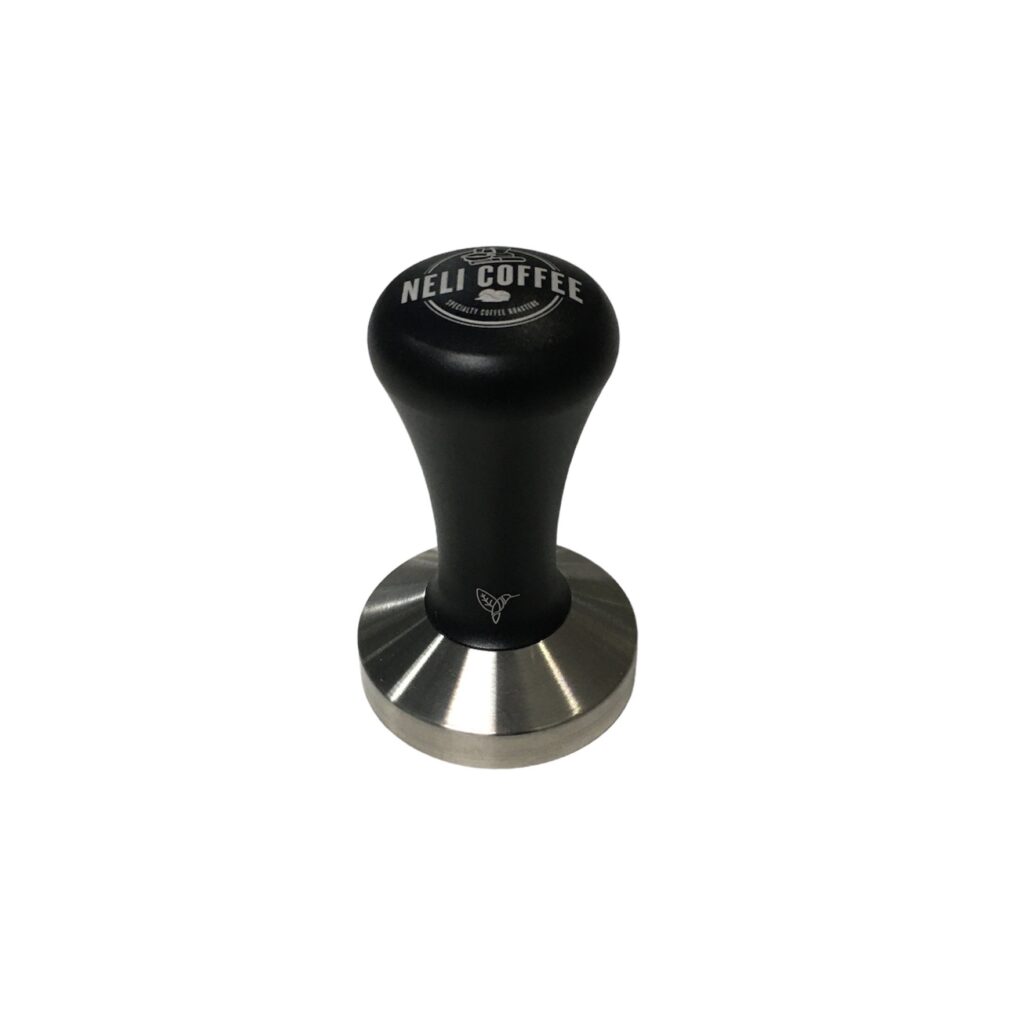
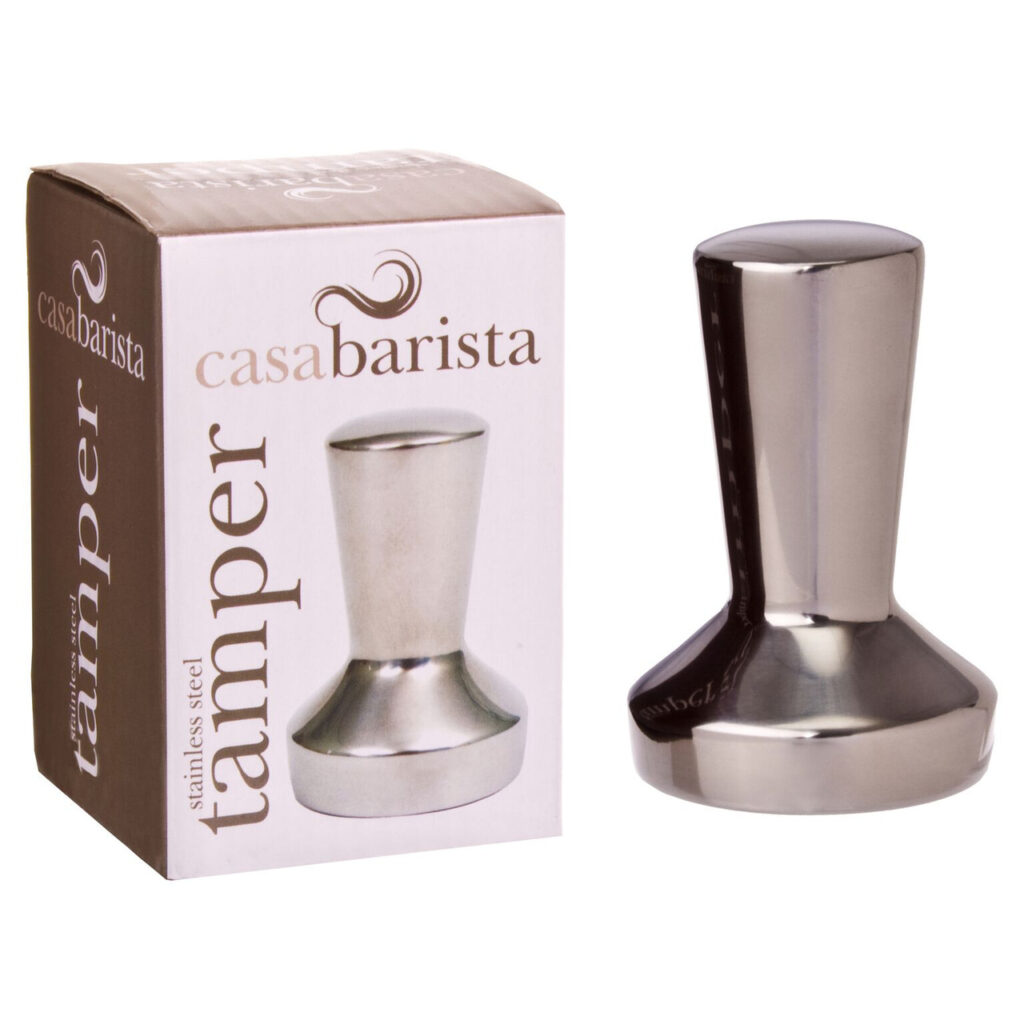
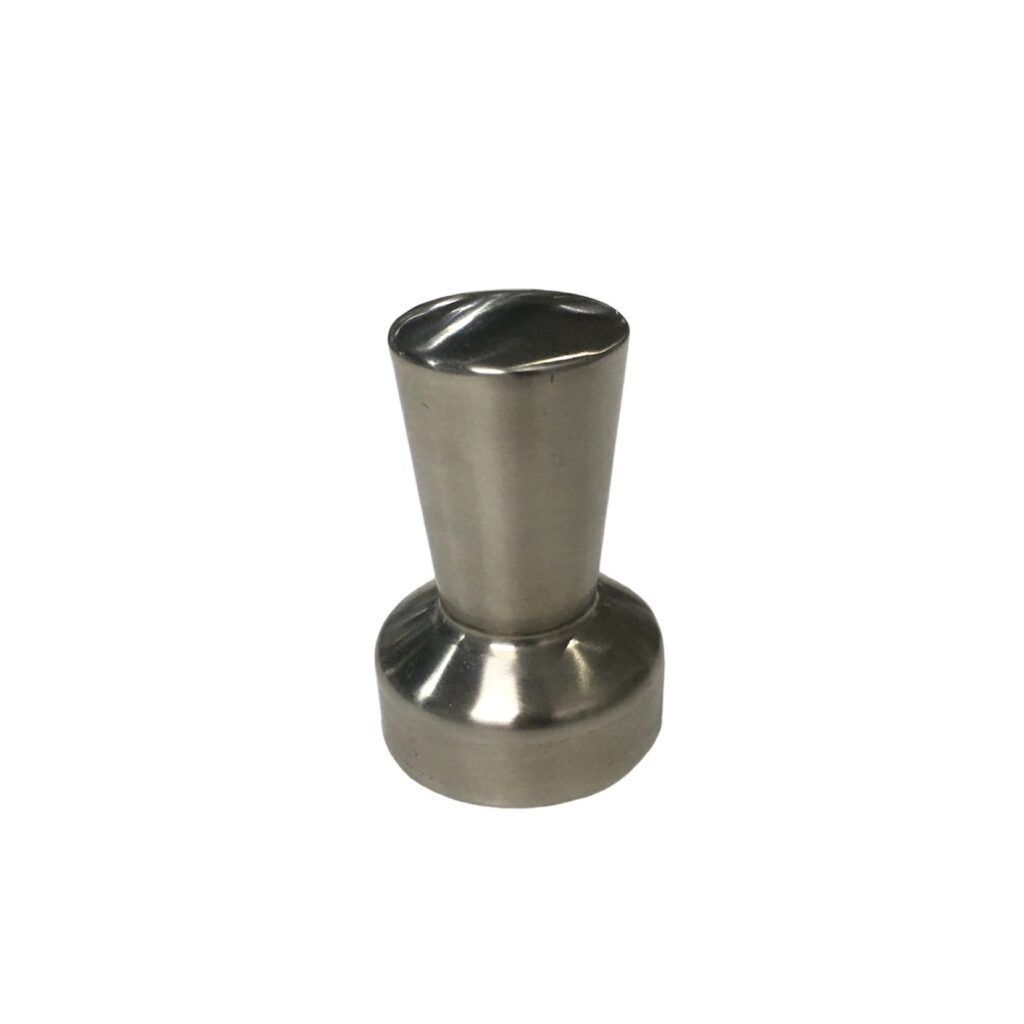
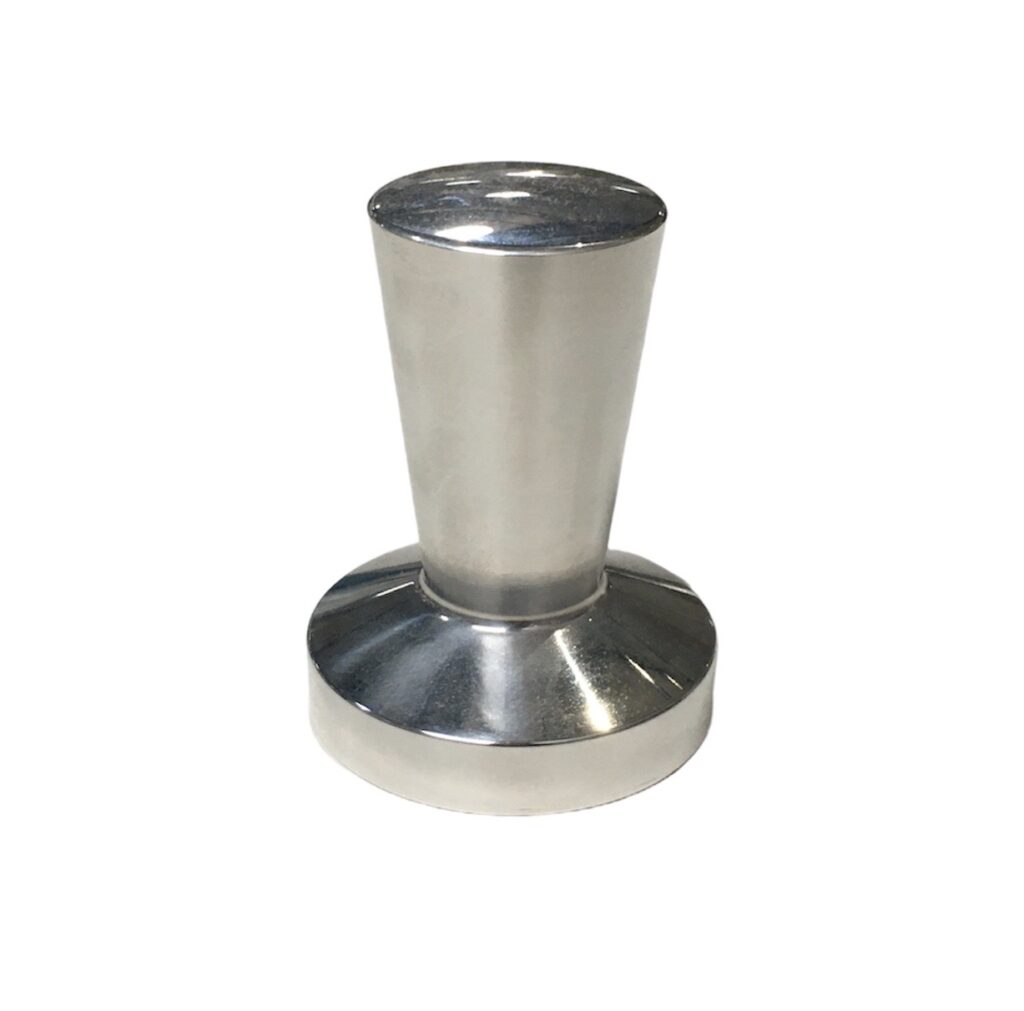
A tamper is a tool used to compress ground coffee into the basket of a portafilter before pulling an espresso shot. It’s typically a flat-bottomed disc attached to a handle, and it comes in various sizes to match different portafilter basket diameters — most commonly 58mm for commercial and prosumer machines, or 54mm for certain home machines.
The goal of tamping is simple: to create a uniform, compacted puck of ground coffee so that hot water flows through it evenly under pressure.
Espresso is brewed by forcing water through a bed of compressed coffee at roughly 9 bars of pressure. If the puck has gaps, uneven density, or channels — small pathways where water takes the path of least resistance — the extraction will be uneven. Some parts of the puck are over-extracted (bitter), others under-extracted (sour or weak), and the resulting shot is flat, harsh, or inconsistent.
A well-tamped puck resists channelling by presenting the water with a consistent surface and uniform density throughout. The water has no easy shortcuts, so it moves through the coffee evenly, extracting the compounds that make a good espresso: sweetness, acidity, body, and aroma.
This is one of the more debated questions in home espresso circles. The traditional advice is to tamp with 15–20kg of pressure, but research and barista competition experience suggest the exact pressure matters less than consistency and levelness.
What matters most is that:
Most tampers have a flat base, which creates an even surface across the puck. Some tampers have a slightly convex (domed) base, intended to push coffee toward the edges and compensate for natural human tendency to tamp slightly lighter at the perimeter. In practice, for most home baristas, a flat tamper combined with careful technique is perfectly sufficient.
Good tamping technique can be broken down into a few consistent steps:
For most home baristas, a solid stainless steel tamper that correctly fits their basket diameter is all they need. The plastic tampers that come bundled with many entry-level machines are often undersized and uncomfortable to use — replacing this with a properly sized tamper is one of the highest-value upgrades you can make for a modest cost.
Calibrated tampers — which click when you reach a set pressure — are useful for beginners building consistency. Auto-tampers and lever-based tampers remove the human variable entirely and are used in high-volume café settings or by home baristas who want total reproducibility.
Tamping is one piece of the espresso puzzle. Great technique with poorly ground or stale coffee will still produce a mediocre shot. The grind — its consistency, coarseness, and freshness — is probably the single biggest variable in home espresso. Once you have good beans and a decent grinder, tamping technique becomes the refinement that takes a decent shot to a consistently excellent one.
Fresh, quality beans make the difference. Neli Coffee ships specialty-grade beans shortly after roasting, so you’re working with coffee at its best from the first shot to the last.
Coffee and Acid Reflux — A Common
Why Green Coffee Storage Matters Green coffee

Two Different Drinks, Often Confused Walk into
Why Cold Brew Coffee? Cold brew coffee