

Decaf Coffee for Acid Reflux — Does It Actually Help?
Coffee and Acid Reflux — A Common

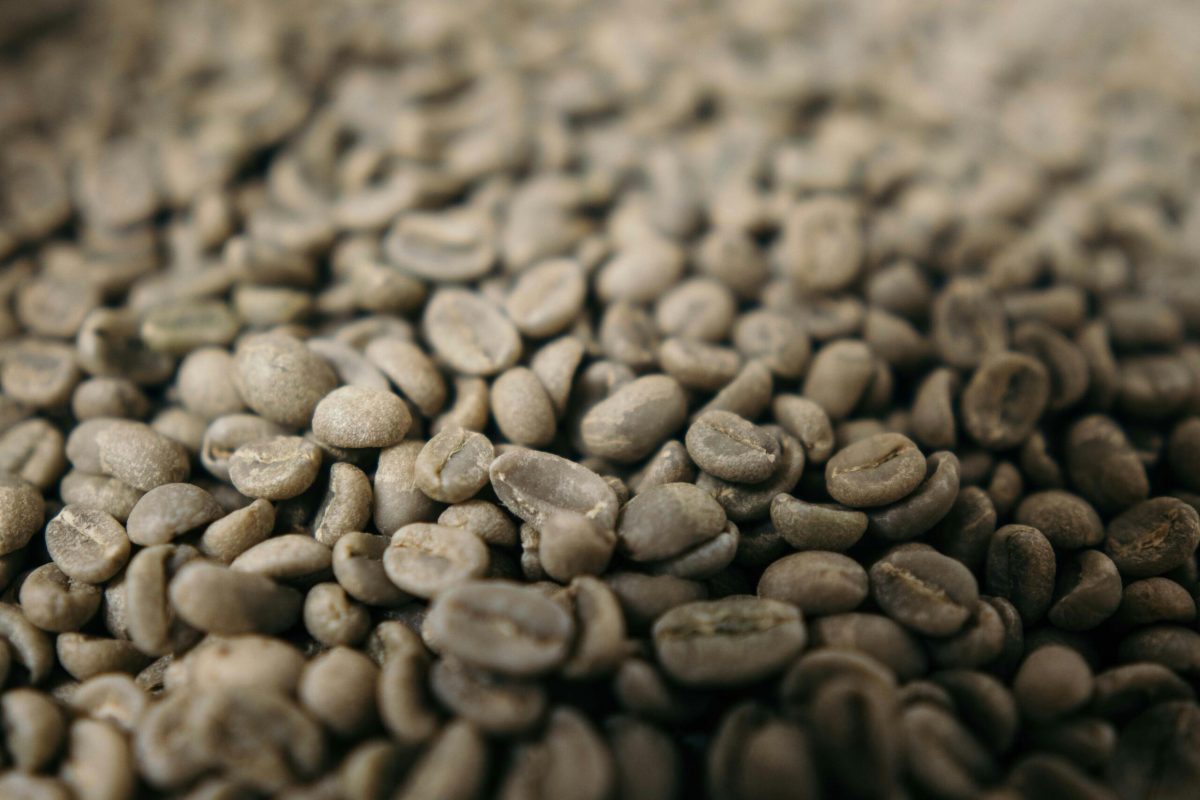
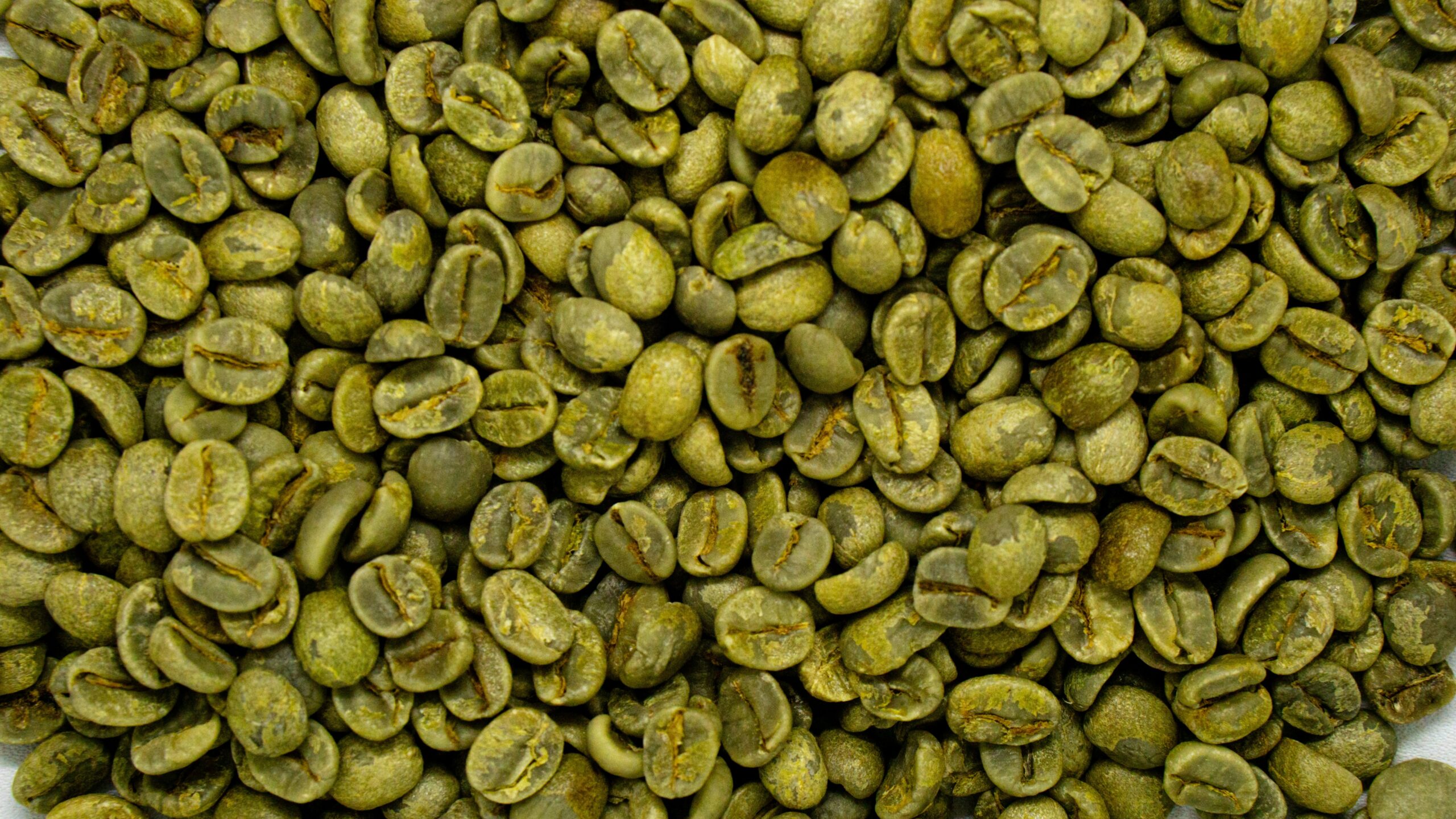
If you have ever browsed a specialty coffee supplier and noticed bags labelled “green beans” sitting alongside the roasted varieties, you might have wondered what they actually are and who buys them. Green coffee beans are simply coffee beans that have not yet been roasted. They are the raw, unprocessed seed inside the coffee cherry — the same bean you find in your morning cup, just at an earlier stage of the journey.
Coffee starts as a fruit. The coffee plant produces cherries — small, round fruits that turn red, yellow or purple when ripe depending on the variety. Inside each cherry are two seeds facing each other: these are the coffee beans. After the cherry is harvested, the fruit is removed through either a wet (washed) or dry (natural) process, leaving behind the seed covered in a thin layer called parchment. Once dried and the parchment removed, what remains is a green coffee bean.
At this stage, the bean has no coffee flavour or aroma. Green beans smell slightly vegetal or grassy. The transformation into the brown, aromatic bean you recognise happens entirely through roasting — a process that drives chemical reactions producing hundreds of new flavour compounds.
Roasted coffee beans are in a constant state of change. The roasting process creates CO2 inside the bean, which off-gases over the days after roasting. Oils migrate to the surface. Flavour compounds begin to oxidise and degrade. Most specialty roasters recommend consuming roasted coffee within 2-6 weeks of the roast date for best flavour.
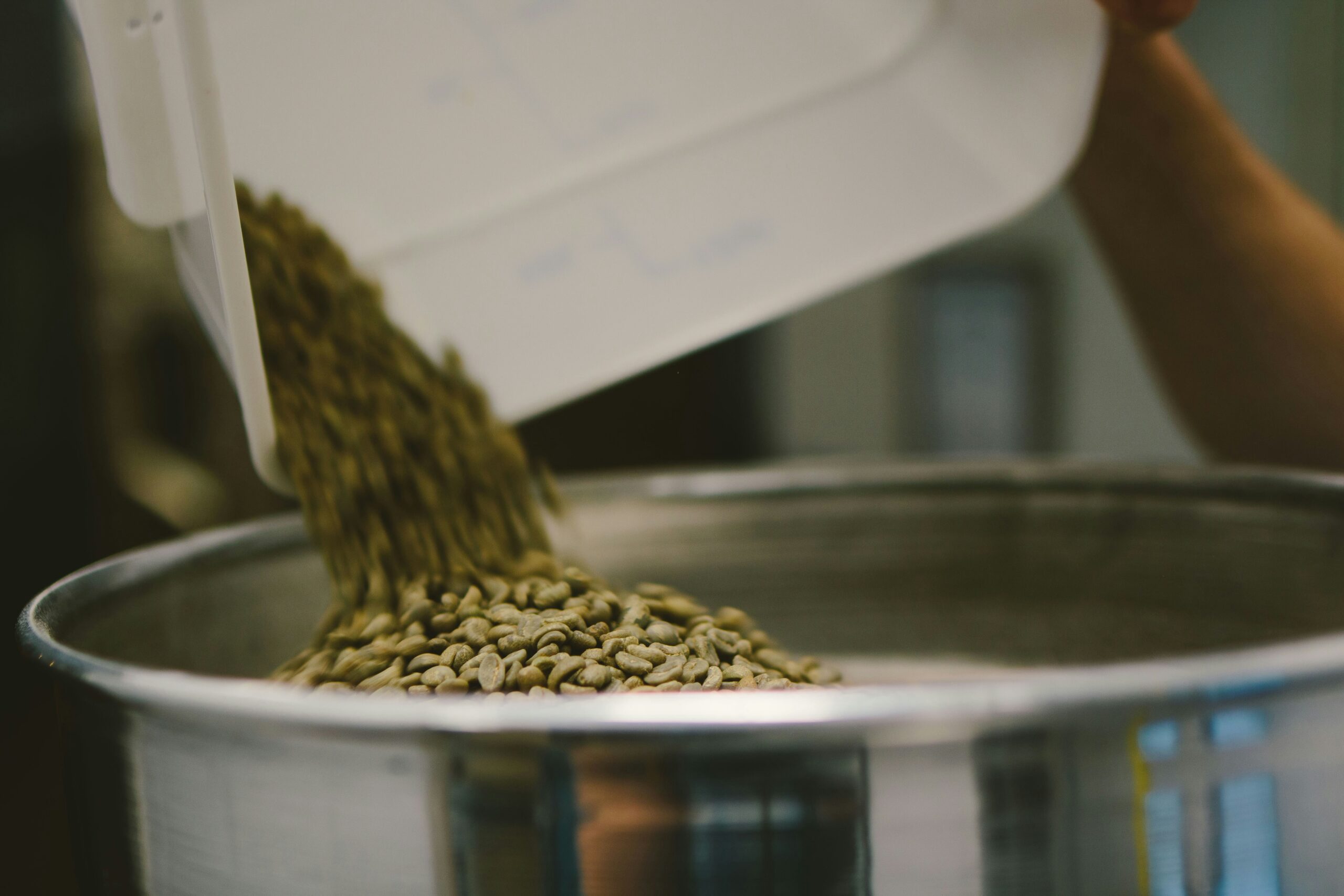
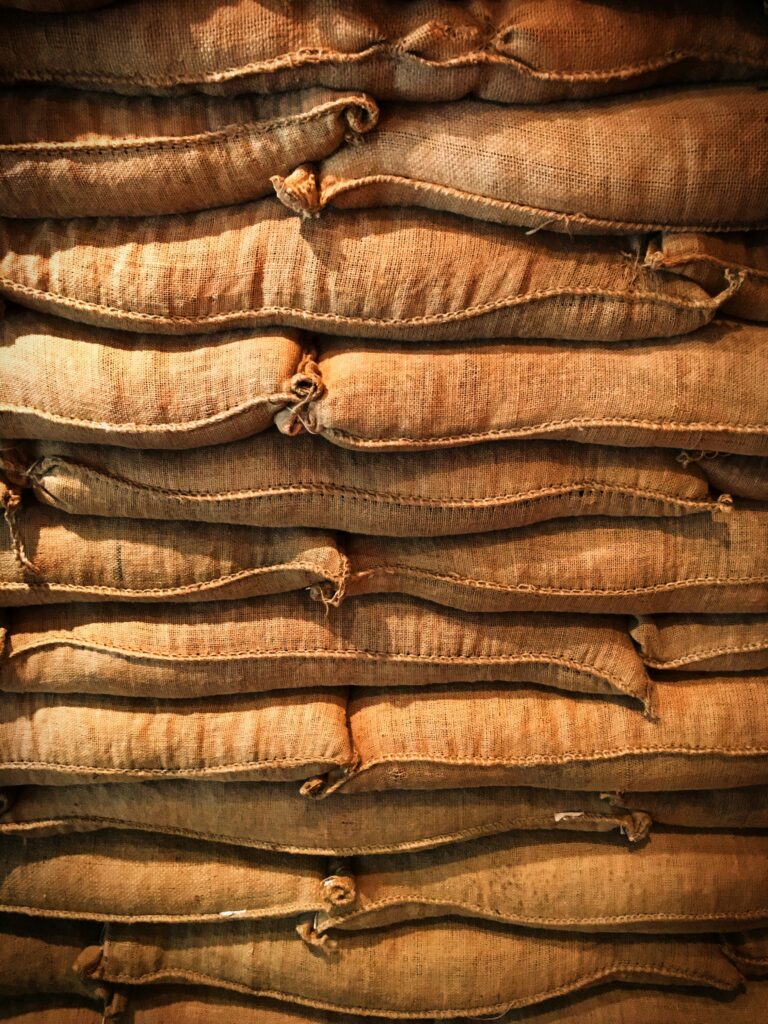
Green beans have none of these vulnerabilities. Without the chemical changes of roasting, they are stable and relatively inert. Stored correctly — in a cool, dry place away from light and moisture — green coffee beans maintain their quality for 12 months or more, and high-quality lots stored carefully can hold for several years. This makes green beans practical for buying in bulk, storing a seasonal favourite, or sourcing from regions with annual harvests.
Green beans are graded and traded based on several quality factors:
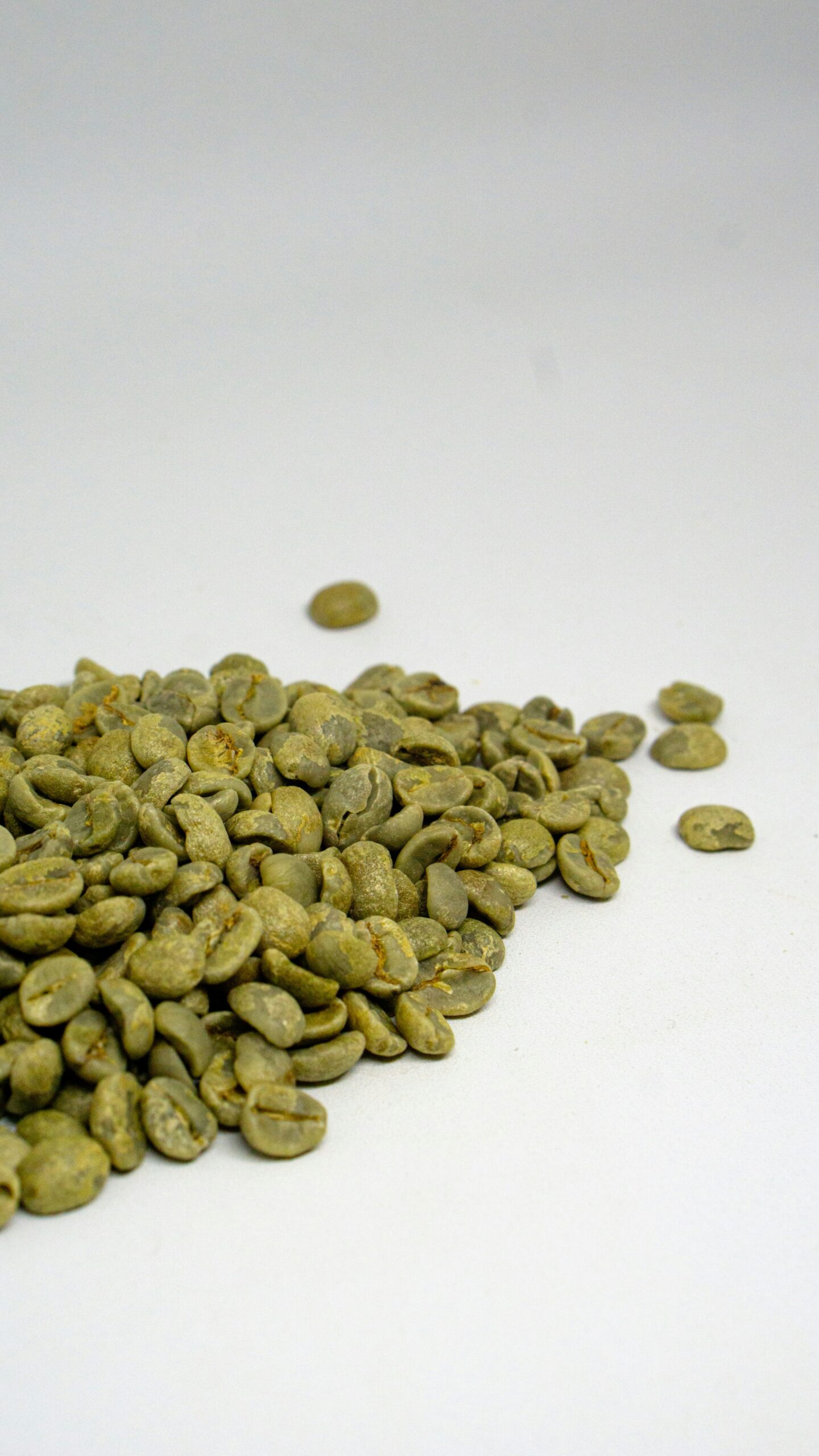
Neli Coffee stocks a range of green coffee beans sourced from quality-focused origins including Ethiopia, Colombia, and Papua New Guinea. Whether you are starting out in home roasting or looking for a specific lot to buy in bulk, our green bean range lets you get closer to the source of your coffee.
If you are new to home roasting, green beans are one of the most accessible ways to experiment with different processing methods and origins without the cost of buying multiple bags of roasted coffee. Browse our green bean range to see what is currently available.
Coffee and Acid Reflux — A Common
Why Green Coffee Storage Matters Green coffee

Two Different Drinks, Often Confused Walk into
Why Cold Brew Coffee? Cold brew coffee