
Decaf Coffee for Acid Reflux — Does It Actually Help?
Coffee and Acid Reflux — A Common

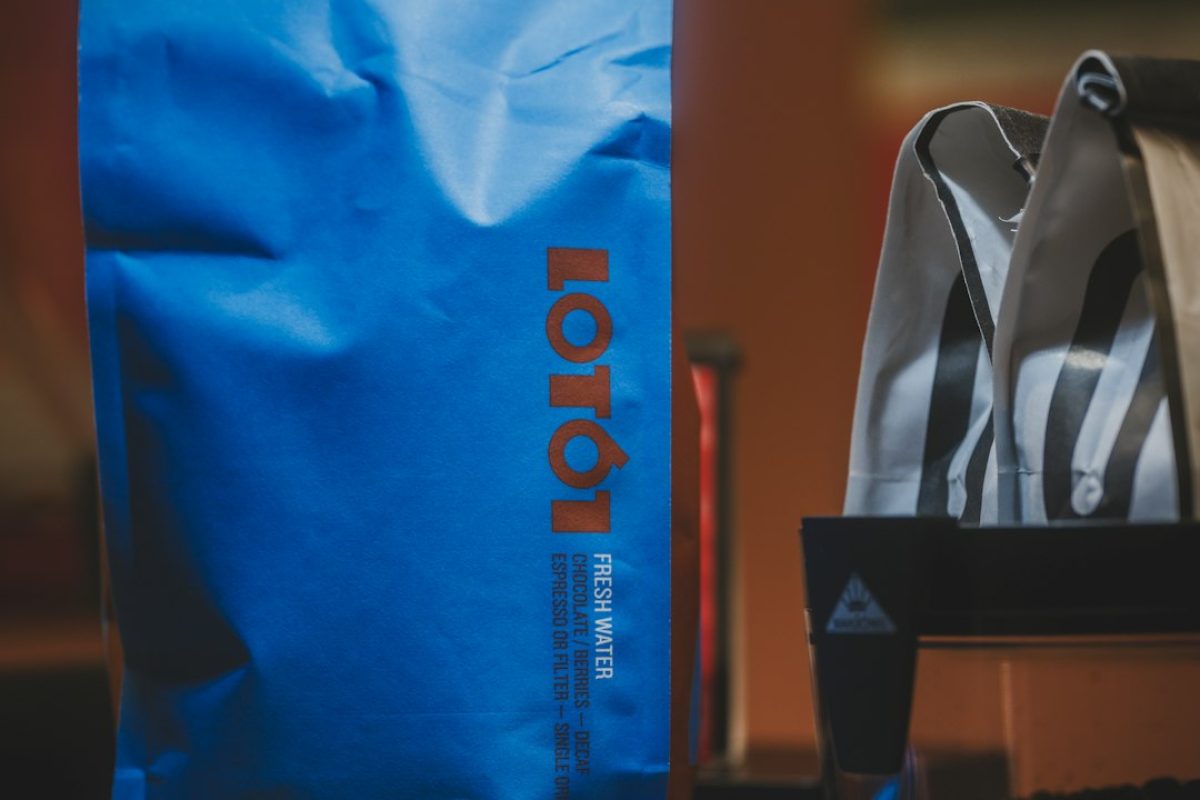
Decaf has a reputation problem. For most people, the word conjures up weak, stale, vaguely disappointing coffee – something you drink when you have no other choice. That reputation is largely based on supermarket decaf, which represents one end of a very wide quality spectrum. Specialty decaf is a genuinely different product, and the gap between them is larger than most people expect.
The most common decaffeination method used for mass-market coffee is solvent-based – typically using methylene chloride or ethyl acetate. The green beans are soaked or steamed, then treated with the solvent to extract caffeine, then dried. This process is efficient and inexpensive, but it strips out a significant portion of the flavour compounds along with the caffeine.
The result tends to be flat, one-dimensional coffee with a characteristic slightly chemical or musty aftertaste. Roasters of commodity-grade decaf then tend to roast dark to compensate, which adds its own bitterness and further masks any remaining origin character. By the time the coffee reaches the shelf, the origin, processing method, and any interesting flavour notes are largely undetectable.
Specialty decaf starts with higher quality green coffee and uses decaffeination methods that better preserve the bean’s character. The two main methods used in the specialty sector are:
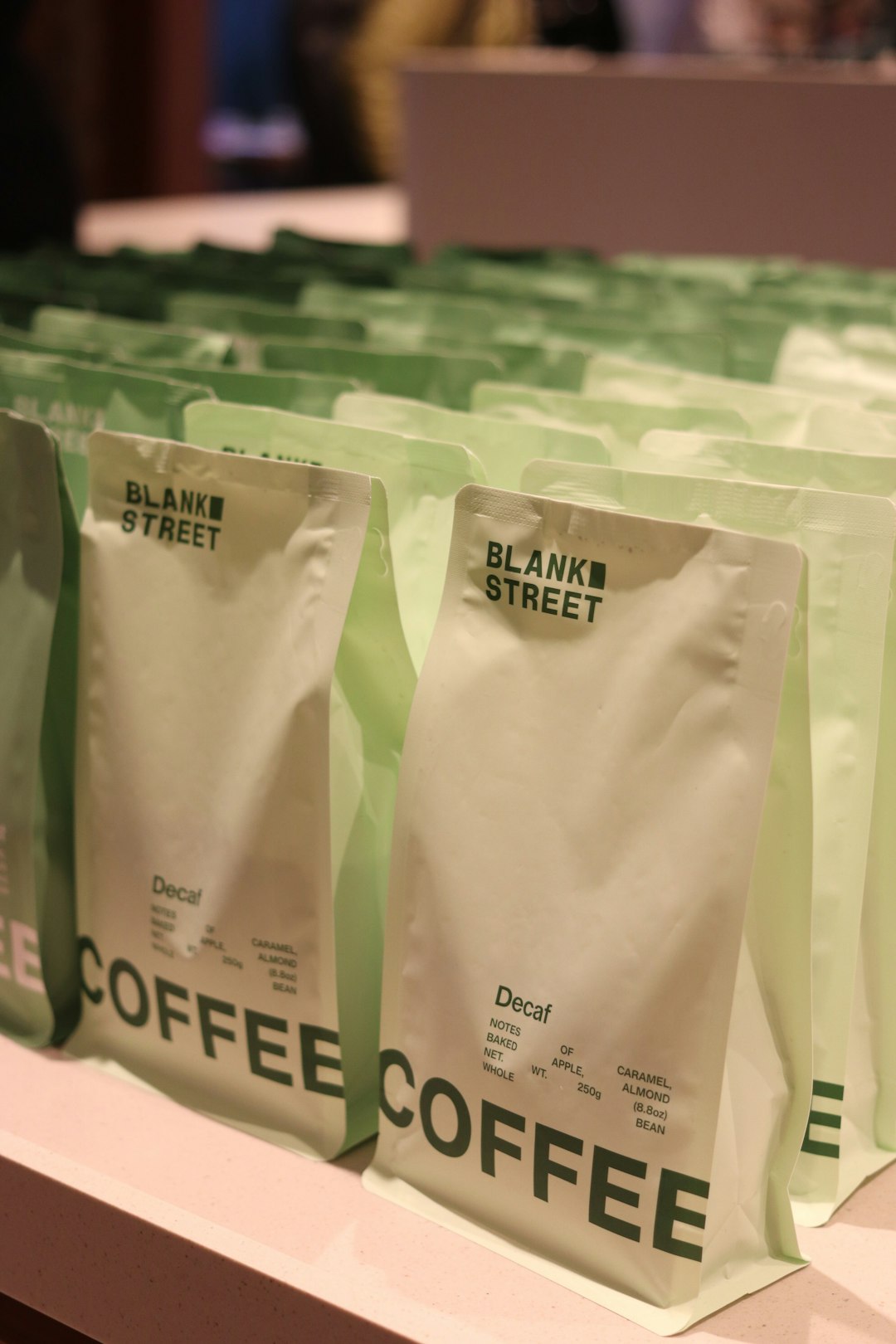
A well-made Swiss Water or CO2-process decaf from a quality origin – roasted at medium rather than dark – can taste remarkably close to its caffeinated equivalent. You can taste the origin character, the processing method, and the roast level. A Colombian Swiss Water decaf might have the same caramel and red fruit notes you would expect from that origin. An Ethiopian CO2 decaf can still carry floral and fruit notes.
There is still a difference. Decaffeination processes always affect the bean to some degree, and experienced tasters can usually identify decaf in a blind tasting. The body tends to be slightly lighter, and very subtle high-note aromatics can be muted. But the gap between good specialty decaf and its caffeinated equivalent is far smaller than the gap between specialty decaf and supermarket decaf.
Decaf is worth considering if you want coffee in the afternoon or evening without affecting sleep, if you are sensitive to caffeine, or if you want to reduce overall intake while still enjoying good coffee. Specialty decaf makes that trade-off much more palatable than it used to be.
For espresso and milk drinks in particular, a good decaf performs very well. The chocolate and caramel notes common in medium-dark decaf roasts pair well with milk, and many people find it genuinely hard to tell the difference in a flat white or latte.
When buying decaf, look for the decaffeination method on the bag. Swiss Water or CO2 process are good indicators of quality intent. Check for a roast date – fresh decaf matters just as much as fresh regular coffee. And look for an origin: a bag that just says “decaf blend” with no origin information is likely commodity-grade coffee whatever the processing method.
Neli Coffee stocks specialty decaf sourced from quality origins and processed using methods that preserve flavour. Check the current range for available options.
Coffee and Acid Reflux — A Common
Why Green Coffee Storage Matters Green coffee

Two Different Drinks, Often Confused Walk into
Why Cold Brew Coffee? Cold brew coffee