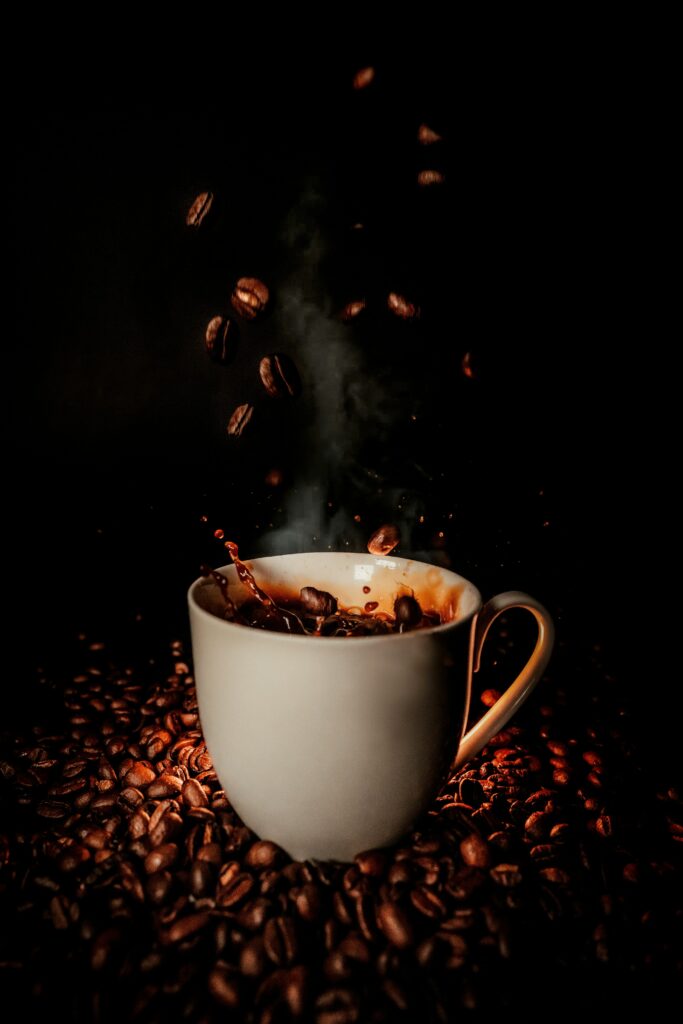
Decaf Coffee for Acid Reflux — Does It Actually Help?
Coffee and Acid Reflux — A Common

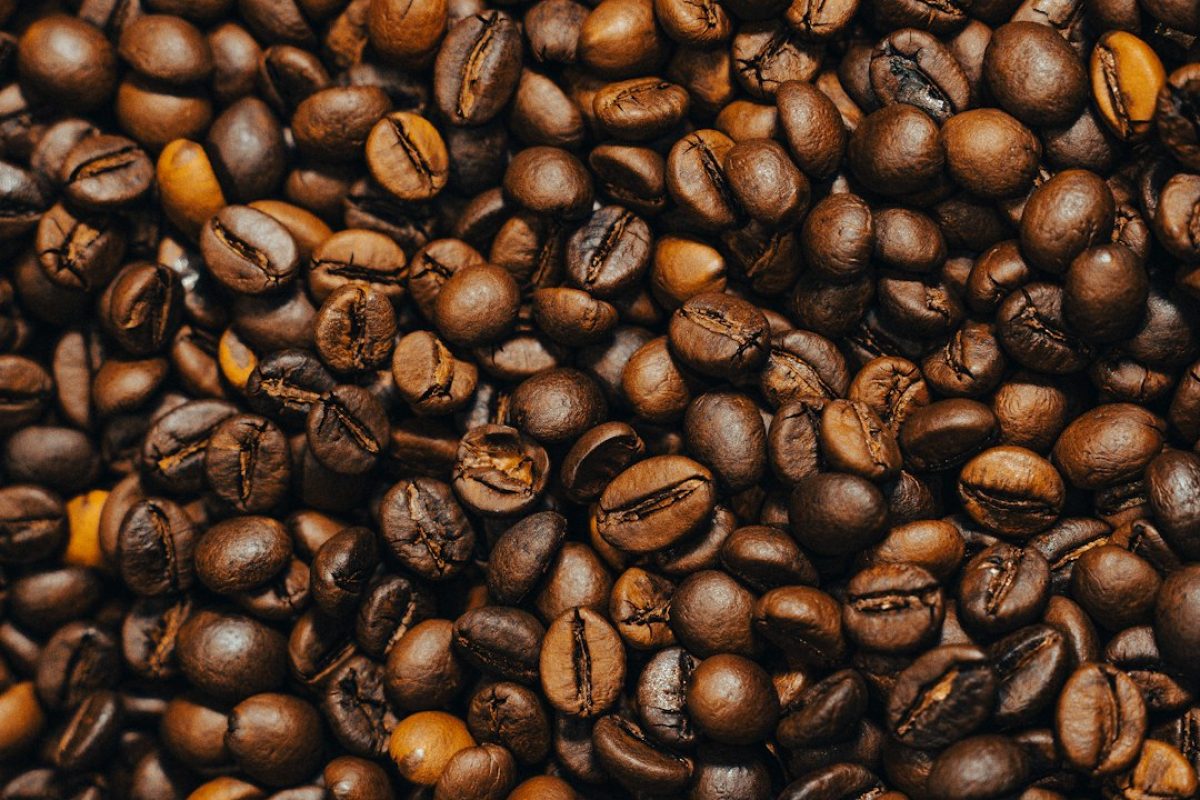
Queensland has developed one of the most vibrant specialty coffee cultures in Australia. From Brisbane’s inner suburbs to regional towns along the coast, a growing community of small roasters is redefining what coffee can taste like — prioritising origin quality, careful roasting, and genuine transparency from farm to cup. This article looks at what is driving that growth and what it means for anyone who cares about what is in their cup.
Specialty coffee refers to beans that score 80 points or above on the Specialty Coffee Association’s 100-point grading scale. That score is based on a rigorous sensory evaluation by trained Q Graders — professionals who assess aroma, flavour, acidity, body, aftertaste, and overall quality.
In practical terms, specialty coffee means you are starting with the best raw material available. But the score is just the beginning — a high-quality green bean can still be ruined by poor roasting. What distinguishes a true specialty roaster is the combination of sourcing the best beans and then roasting them with the care and consistency required to realise their full potential.
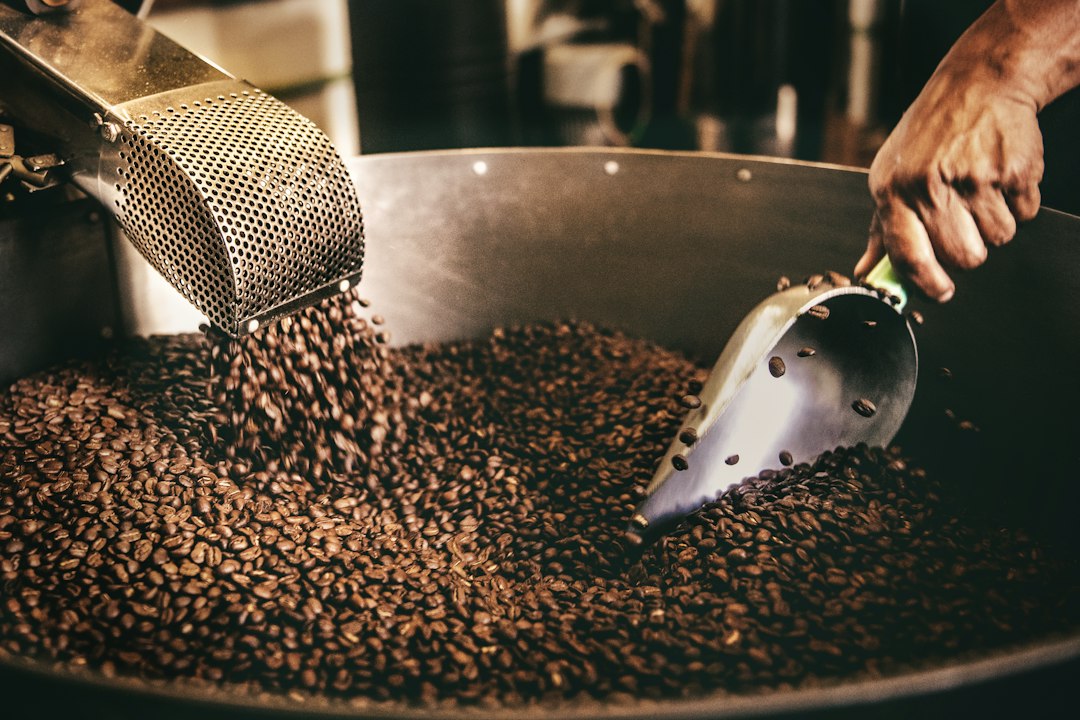
Several factors have contributed to the emergence of specialty roasters across Queensland:
The small-batch approach that defines most Queensland specialty roasters produces a fundamentally different product from mass-market coffee. Key differences include:
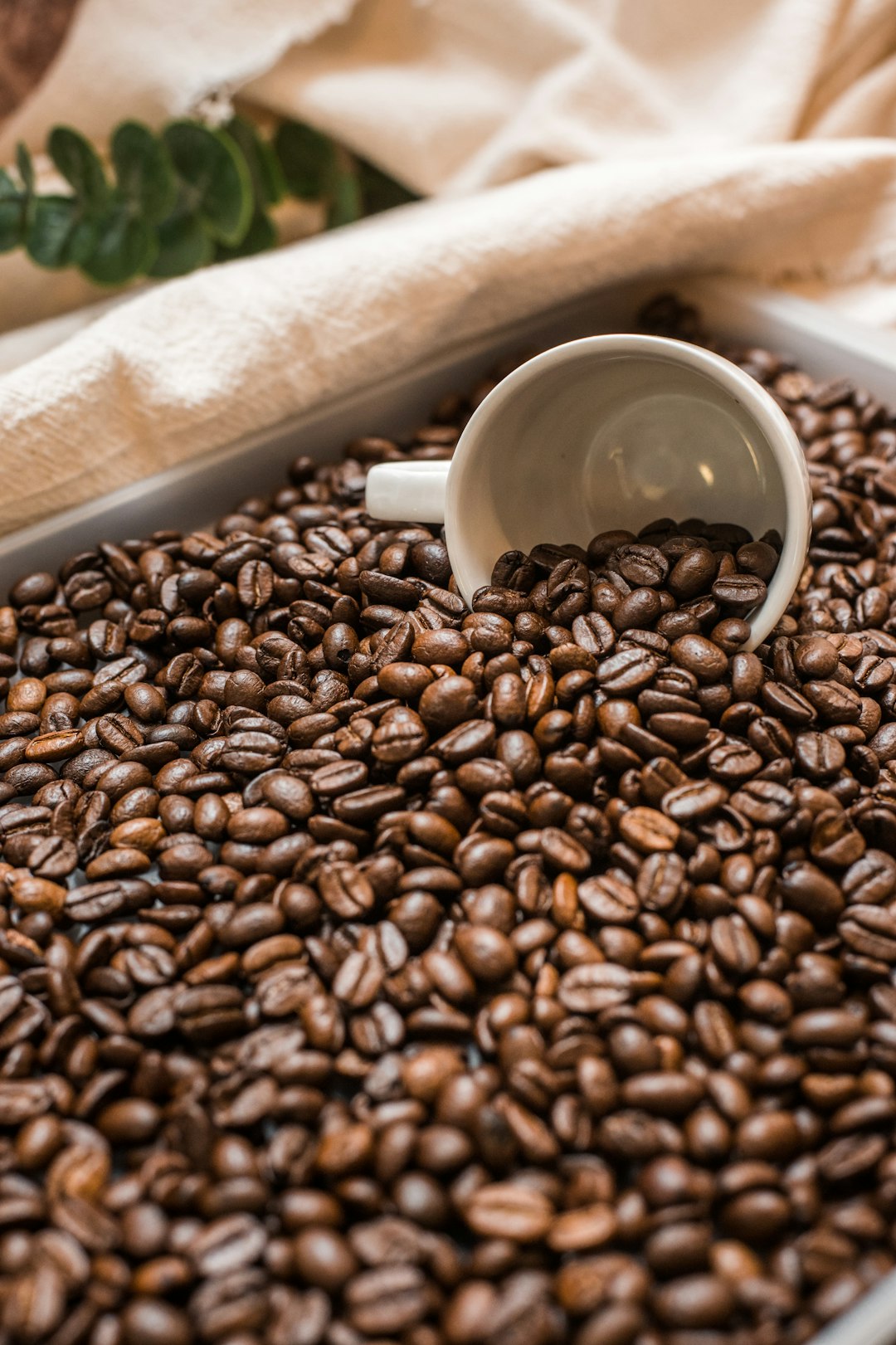
Brisbane’s cafe scene has played a significant role in raising the bar for coffee quality across Queensland. Independent cafes that prioritise specialty sourcing, skilled baristas, and careful milk texturing have educated a generation of coffee drinkers who now expect more from their cup — whether they are ordering in a cafe or brewing at home.
Regional Queensland towns — including Noosa, the Sunshine Coast, Cairns, and Toowoomba — have also developed their own specialty cafe communities, creating demand for local roasters beyond the capital.
Not every bag labelled “specialty” lives up to the name. When buying from a Queensland roaster, a few things signal genuine quality:
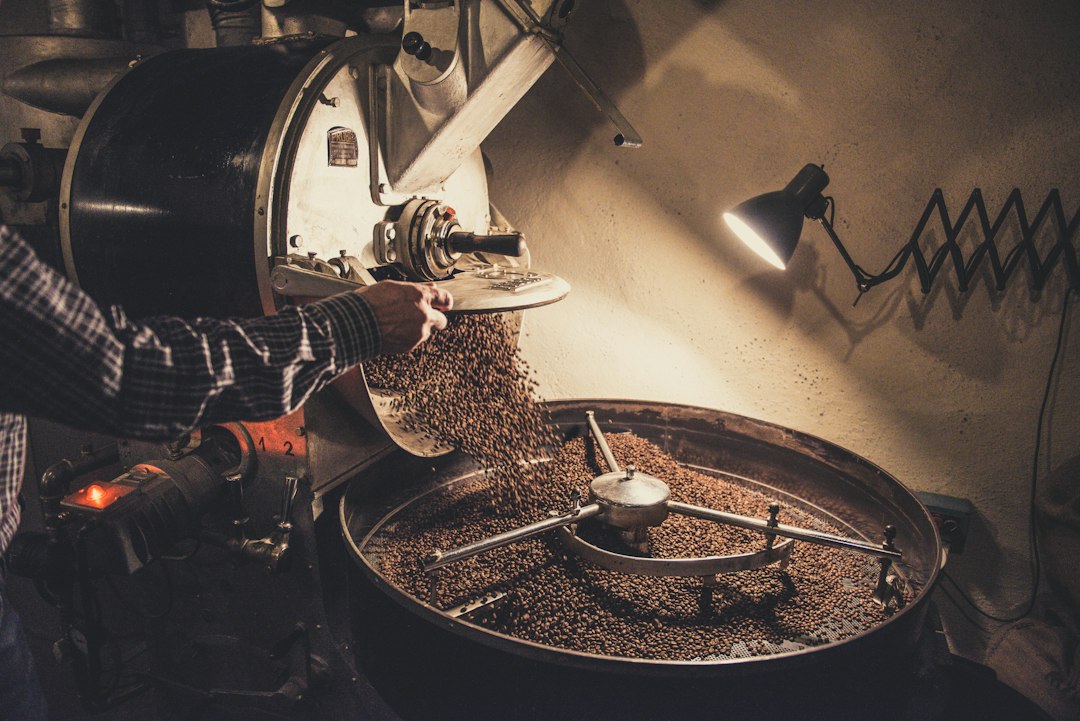
Neli Coffee is a Brisbane-based specialty roaster sourcing and roasting high-quality beans with care and consistency. We believe that the growing interest in specialty coffee in Queensland reflects something real — a desire for better flavour, more transparency, and a closer connection to where food and drink actually comes from.
Whether you are new to specialty coffee or a seasoned home barista looking to explore new origins, our range has something to offer. Every bag is roasted fresh and ships fast across Brisbane and the rest of Queensland.
Coffee and Acid Reflux — A Common
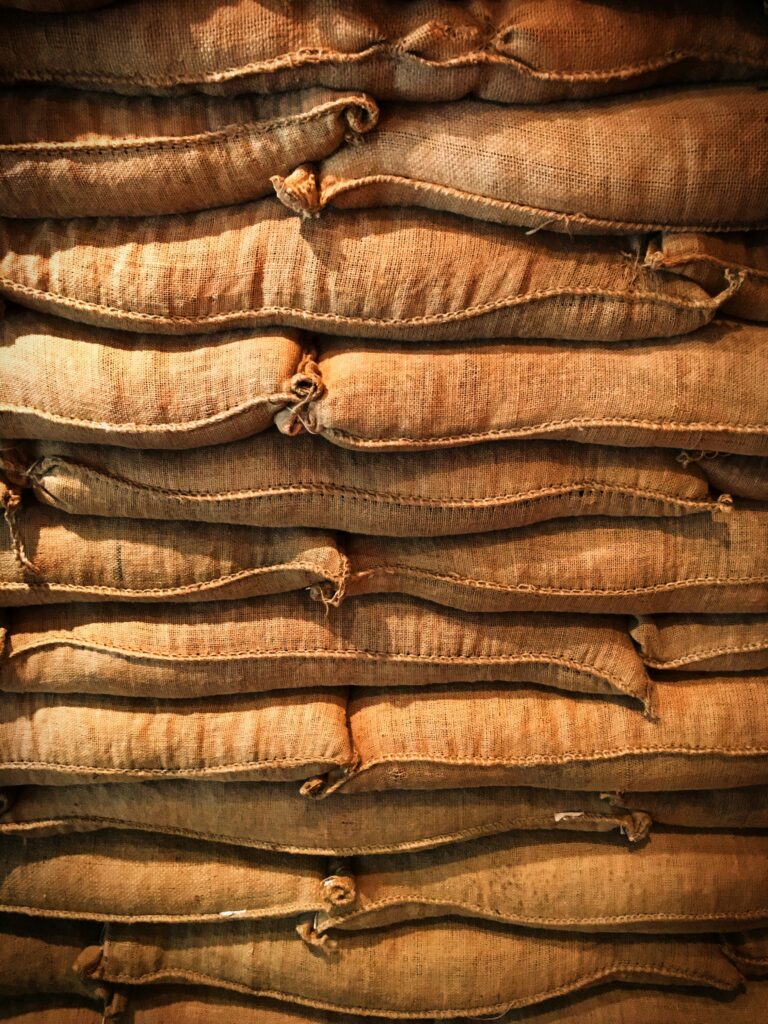
Why Green Coffee Storage Matters Green coffee

Two Different Drinks, Often Confused Walk into
Why Cold Brew Coffee? Cold brew coffee