
Decaf Coffee for Acid Reflux — Does It Actually Help?
Coffee and Acid Reflux — A Common

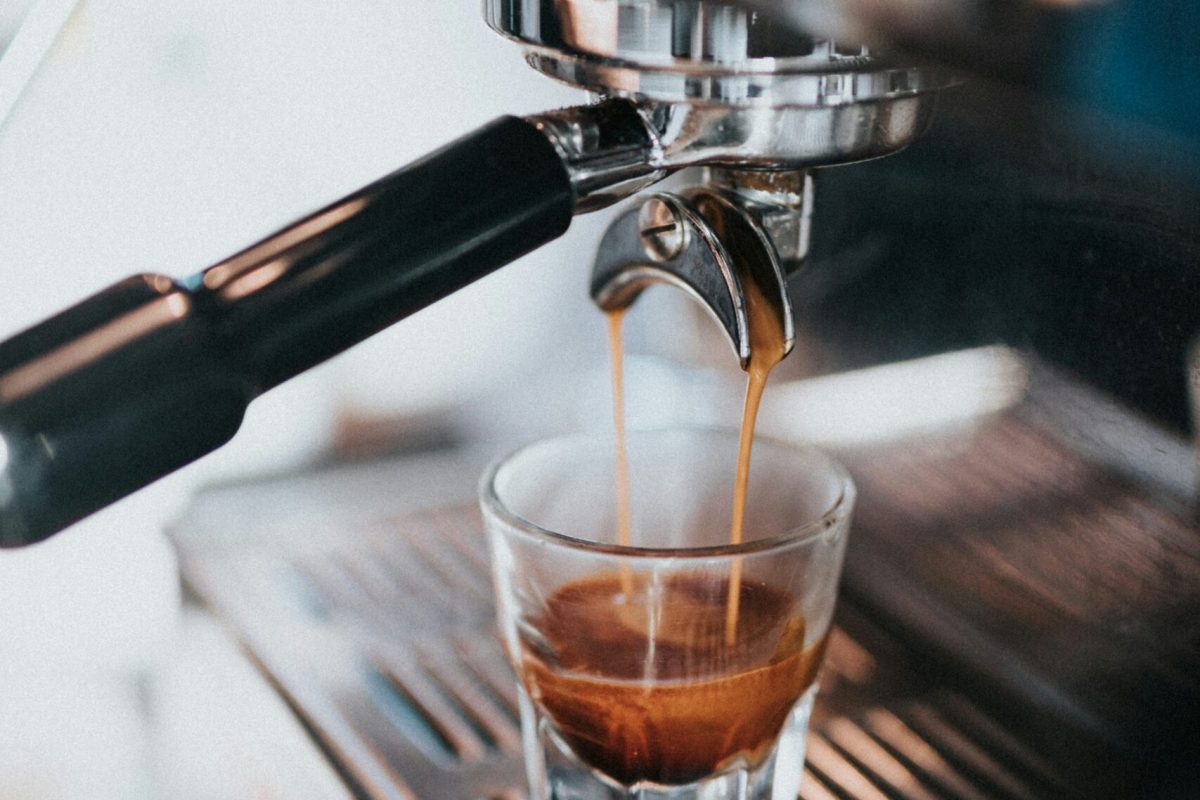
A quality home espresso machine is a genuine investment — and like any investment, what you put in determines what you get out. The difference between a mediocre shot and a genuinely excellent one rarely comes down to the machine itself. More often, it is the small variables around the machine: grind size, dose, water temperature, and the freshness of your beans. This guide covers the key areas to focus on if you want to consistently pull great espresso at home.
No amount of technique can rescue stale or low-quality coffee. Espresso is an unforgiving brew method — it concentrates everything in the bean, including defects and staleness. A few non-negotiables:
If there is one upgrade that makes the biggest difference to home espresso, it is the grinder. Pre-ground coffee loses around 60% of its aromatics within 15 minutes of grinding. A consistent burr grinder gives you control over grind size — the single most important variable in espresso extraction.
For espresso, you need a grinder with fine, stepless or micro-stepped adjustment. Flat burr grinders generally produce more even particle distribution for espresso compared to conical burr grinders at the same price point, though both can produce excellent results with good technique.
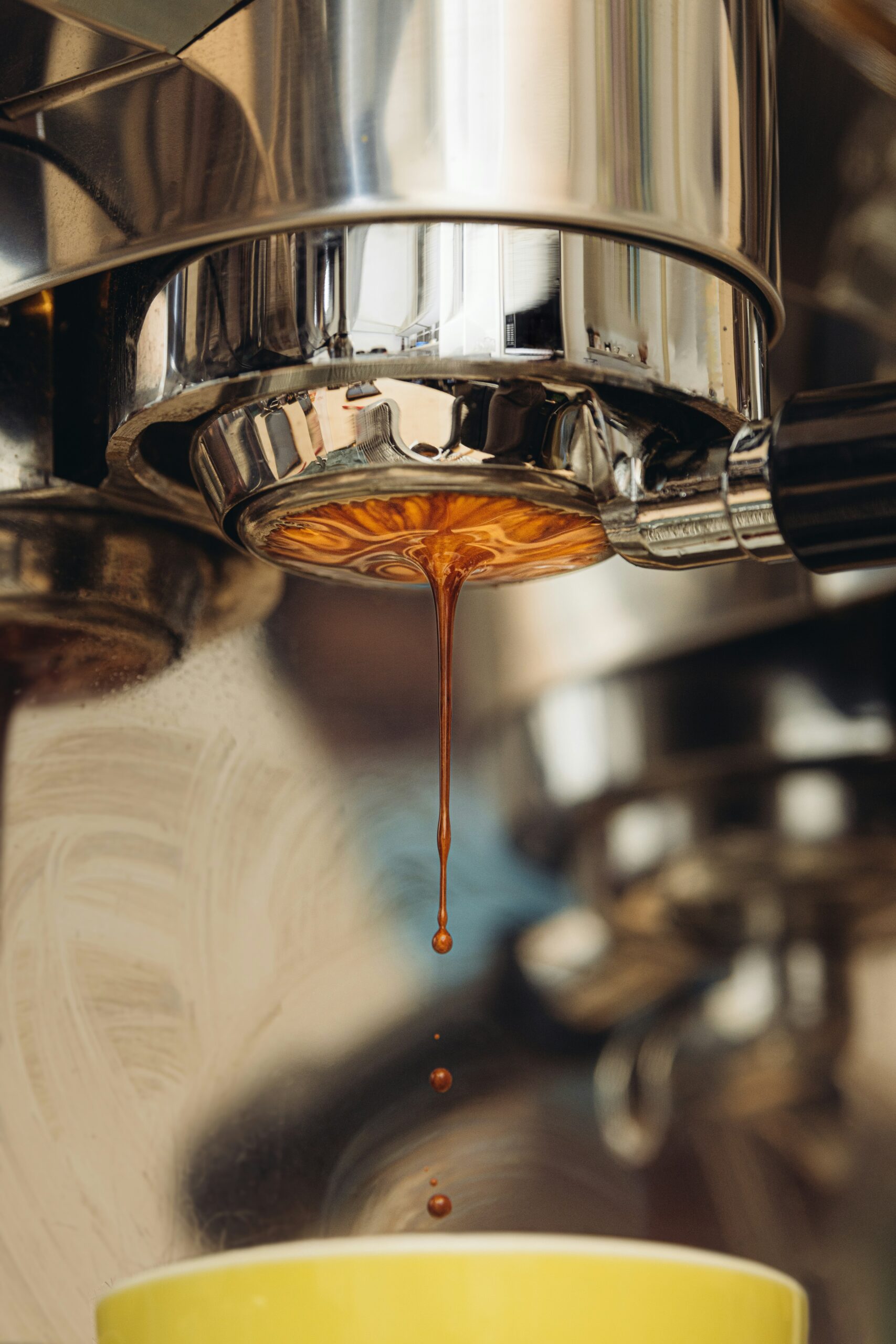
Dialling in means adjusting grind size until your shot extracts correctly. The standard starting point for espresso is a 1:2 ratio — 18g of coffee in, 36g of liquid espresso out — over approximately 25-30 seconds. Here is how to read what is happening:
Adjust grind size in small increments and only change one variable at a time. Use a scale to weigh your dose and output consistently.
An uneven tamp creates channels in the puck — paths of least resistance where water flows through faster, leaving other areas under-extracted. Good tamping technique is simple:
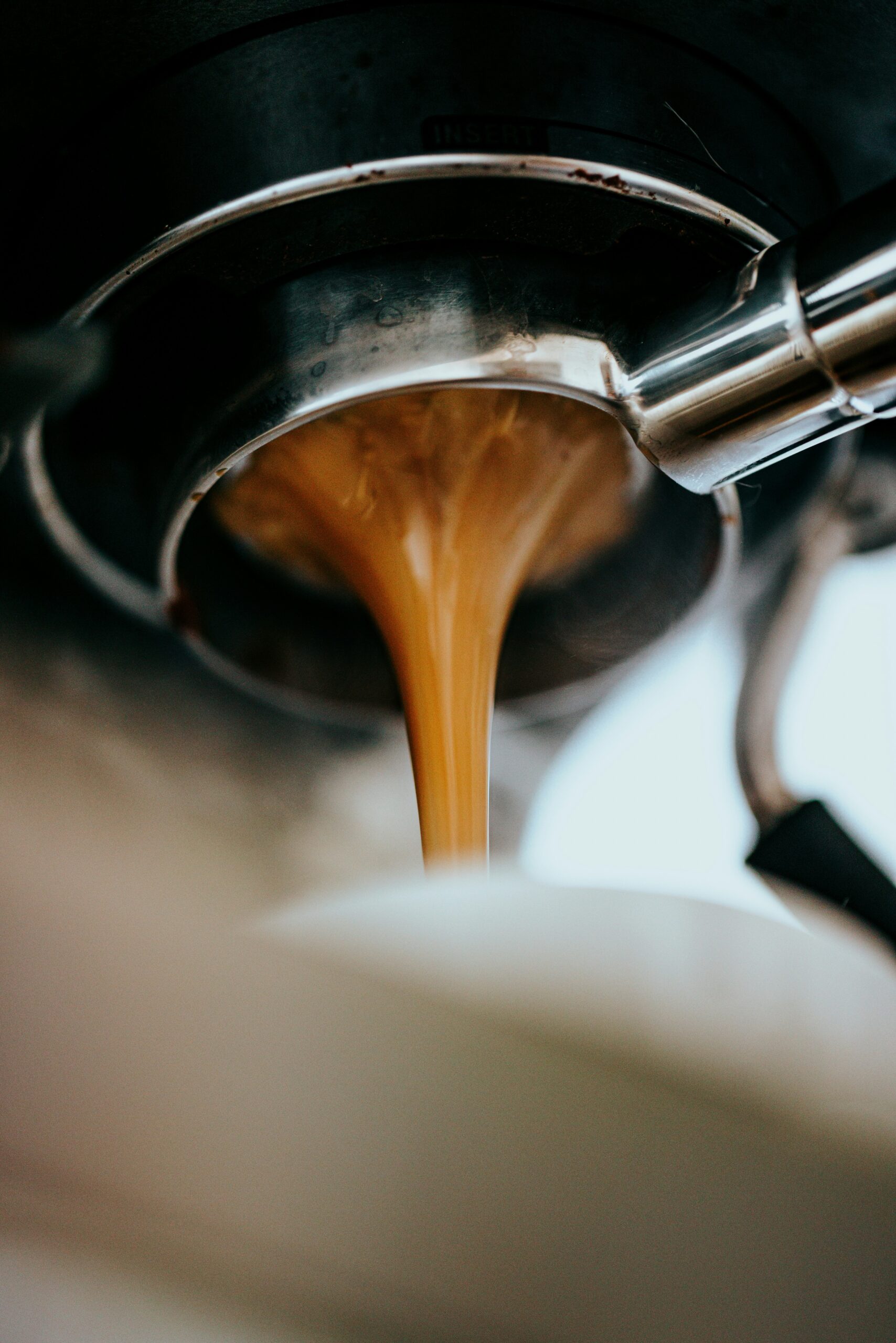
Espresso extracts best between 90-96 degrees Celsius. Most home machines need 15-20 minutes to fully stabilise after switching on — not just the few minutes it takes for the ready light to appear. Running a blank shot (water only through the group head) before your first espresso helps flush residual heat and stabilise the temperature.
If your machine has a PID (proportional-integral-derivative) temperature controller, use it to set brew temperature precisely. Lighter roasts generally benefit from higher temperatures (94-96C) while darker roasts often extract better at slightly lower temperatures (90-93C).
Coffee oils go rancid quickly and will negatively affect every shot that passes through a dirty machine. A basic cleaning routine makes a noticeable difference to taste:
Well-roasted specialty beans are genuinely easier to dial in than commodity coffee. They have more consistent density, more complex and forgiving flavour profiles, and are processed to a higher standard from the start. If you find yourself fighting your machine, the beans are often the place to look first.
Neli Coffee roasts small batches of specialty beans and ships fresh to Brisbane and across Australia. Whether you are pulling your first shot or refining a setup you have been using for years, fresh beans are the foundation everything else builds on.
Coffee and Acid Reflux — A Common
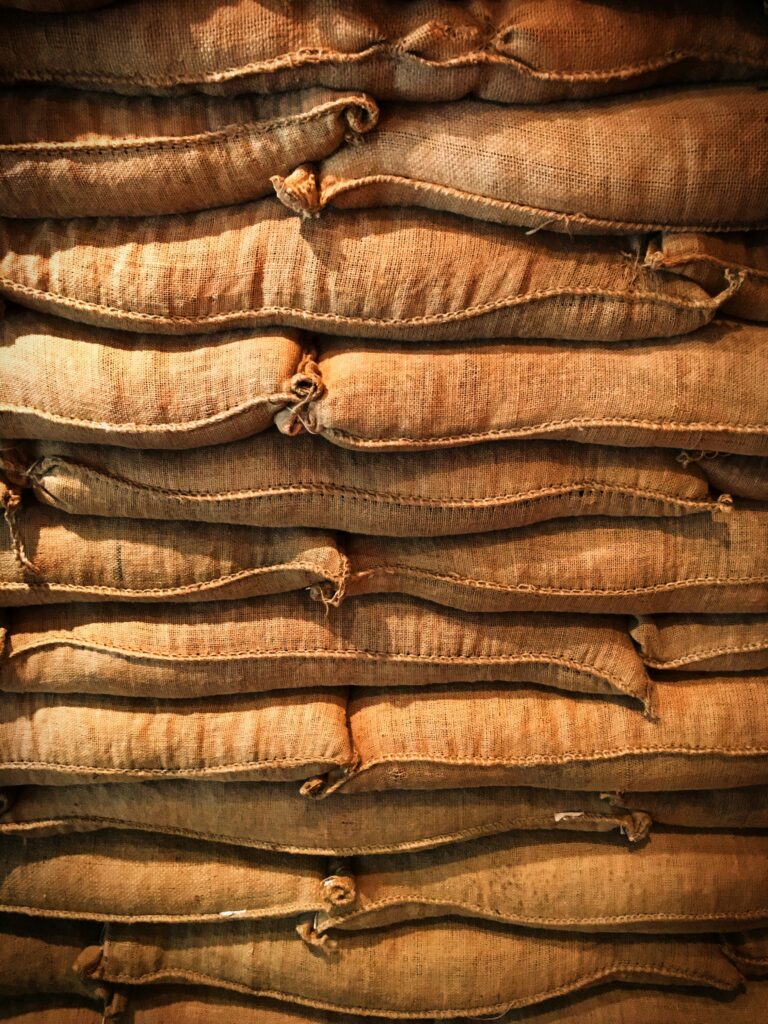
Why Green Coffee Storage Matters Green coffee

Two Different Drinks, Often Confused Walk into
Why Cold Brew Coffee? Cold brew coffee