Can You Actually Make Cold Brew with Decaf?
Yes — decaf cold brew works beautifully, and in many ways it suits the cold brew method better than you might expect. Cold brewing extracts coffee slowly using cold water over many hours, which naturally produces a smoother, less acidic result. When you pair that method with a quality decaf bean, you get all the rich, mellow flavour of cold brew without the caffeine hit.
The key is starting with a good decaf. Not all decaf beans are created equal, and the processing method makes a big difference to the final flavour. Swiss Water Process decaf is widely regarded as the best option for cold brew because it removes caffeine without using chemical solvents, preserving the natural flavour compounds in the bean.
Why Decaf Cold Brew Is Worth Trying
There are plenty of reasons to explore decaf cold brew beyond simply wanting less caffeine:
- Enjoy coffee later in the day — cold brew is a popular afternoon and evening drink, and a decaf version means you can enjoy it without disrupting your sleep
- Lower acidity — cold brew is already lower in acidity than hot-brewed coffee, and decaf can reduce acidity further, making it gentler on the stomach
- Same great flavour — a quality decaf bean brewed cold can taste remarkably close to its caffeinated counterpart
- Batch brewing convenience — cold brew keeps well in the fridge for up to two weeks, so you can make a large batch and have it ready whenever you want
Choosing the Right Decaf Beans
The bean you choose has a huge impact on your decaf cold brew. Here is what to look for:
- Swiss Water Process — this chemical-free decaffeination method preserves origin flavour better than solvent-based methods, making it the best choice for cold brew where subtle flavours shine
- Medium to dark roast — cold water extraction works well with slightly darker roasts, which have more developed flavour compounds that hold up through the long steep
- Fresh roast date — freshness matters even with decaf; look for beans roasted within the past few weeks for the best result
- Single origin or quality blends — beans with natural chocolate, caramel, or nutty tasting notes tend to translate beautifully into cold brew

How to Make Decaf Cold Brew at Home
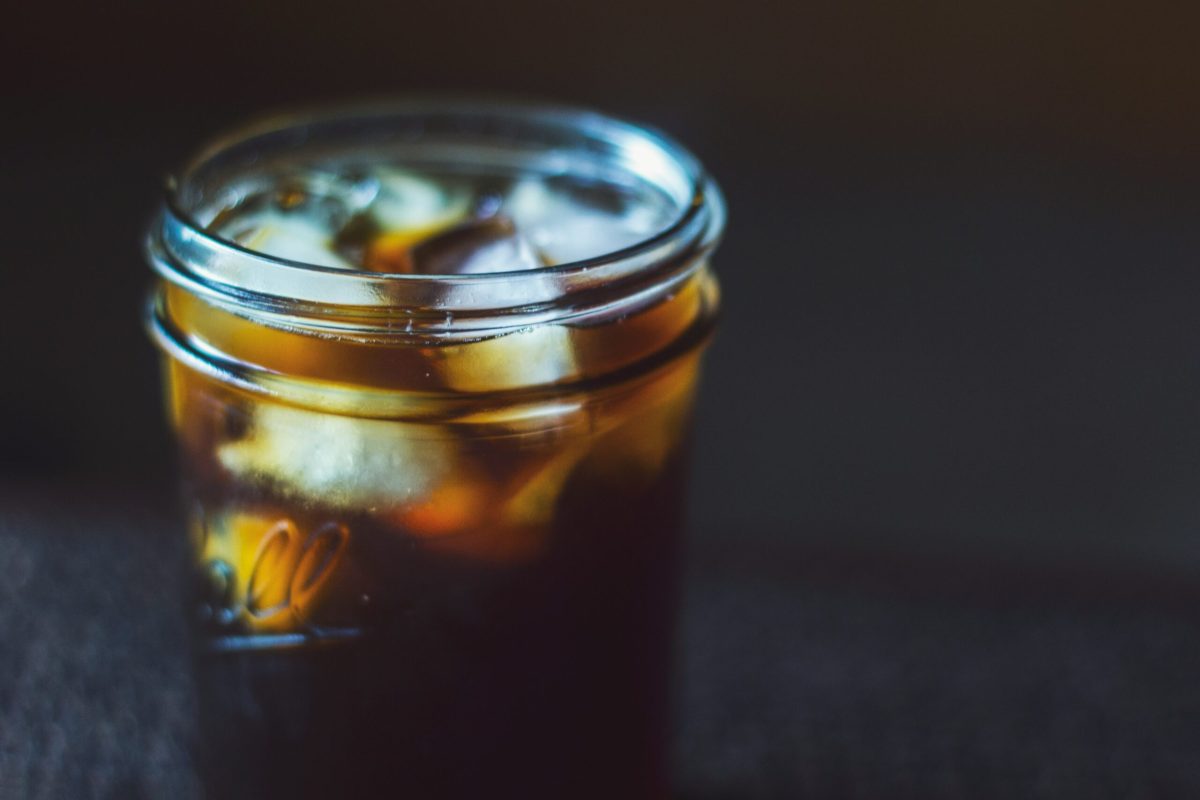
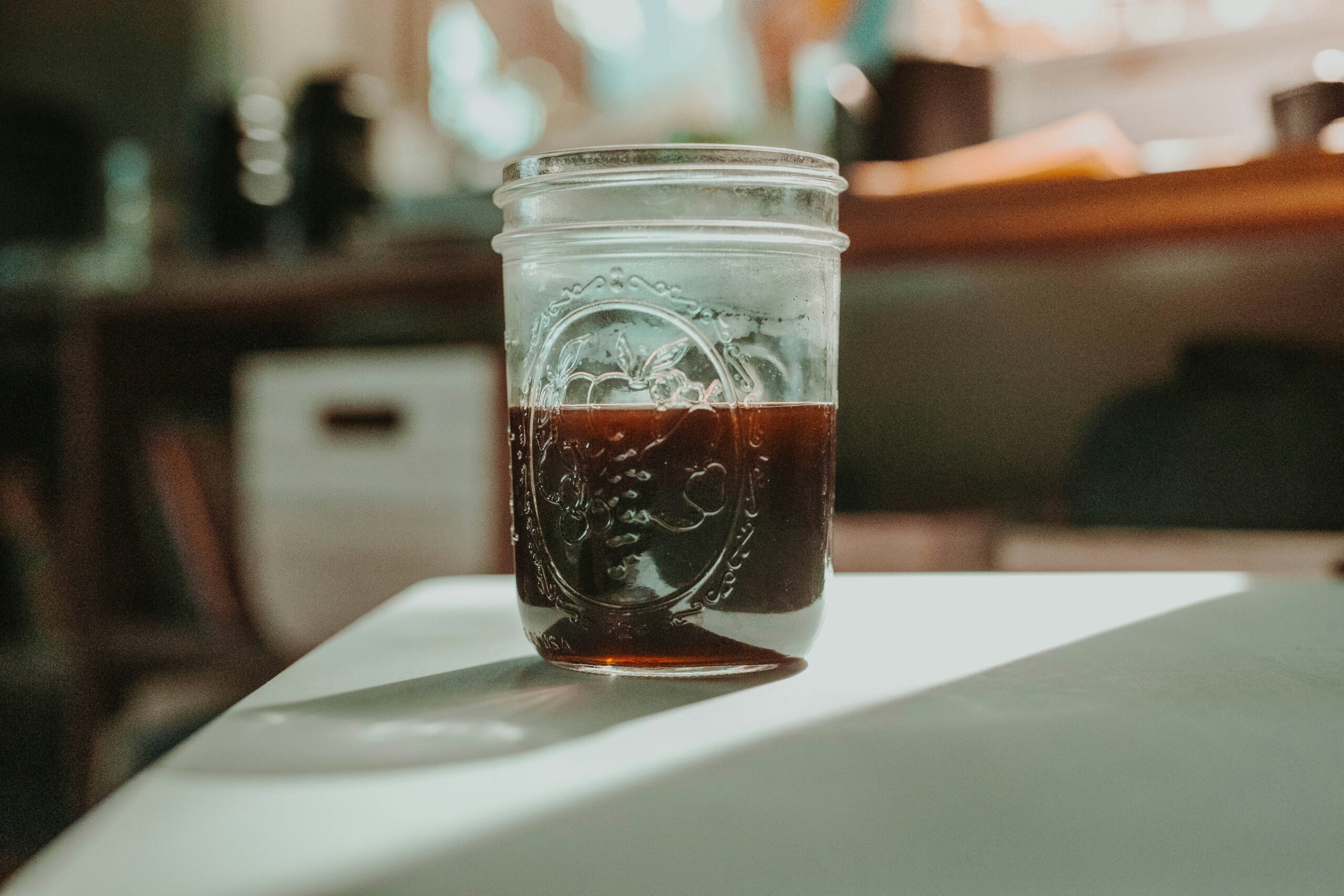
Making cold brew at home requires no special equipment — a mason jar, a fine mesh strainer or coffee filter, and patience are all you need. Here is a simple method that works well:
What You Need
- 100g coarsely ground decaf coffee
- 700ml cold or room-temperature filtered water
- A large mason jar or container
- A fine mesh strainer and paper coffee filter (or a cold brew strainer bag)
Steps
- Grind your decaf beans coarsely — think coarse sea salt. A coarse grind prevents over-extraction and bitterness during the long steep.
- Combine the grounds and cold water in your jar. Stir gently to ensure all the grounds are wet.
- Cover the jar and place it in the fridge. Let it steep for 14 to 24 hours. A longer steep produces a more concentrated, intense result.
- Strain the coffee through a fine mesh strainer lined with a paper filter. This removes the fine grounds and produces a clean, smooth concentrate.
- Transfer to a clean jar and store in the fridge. It will keep well for up to two weeks.
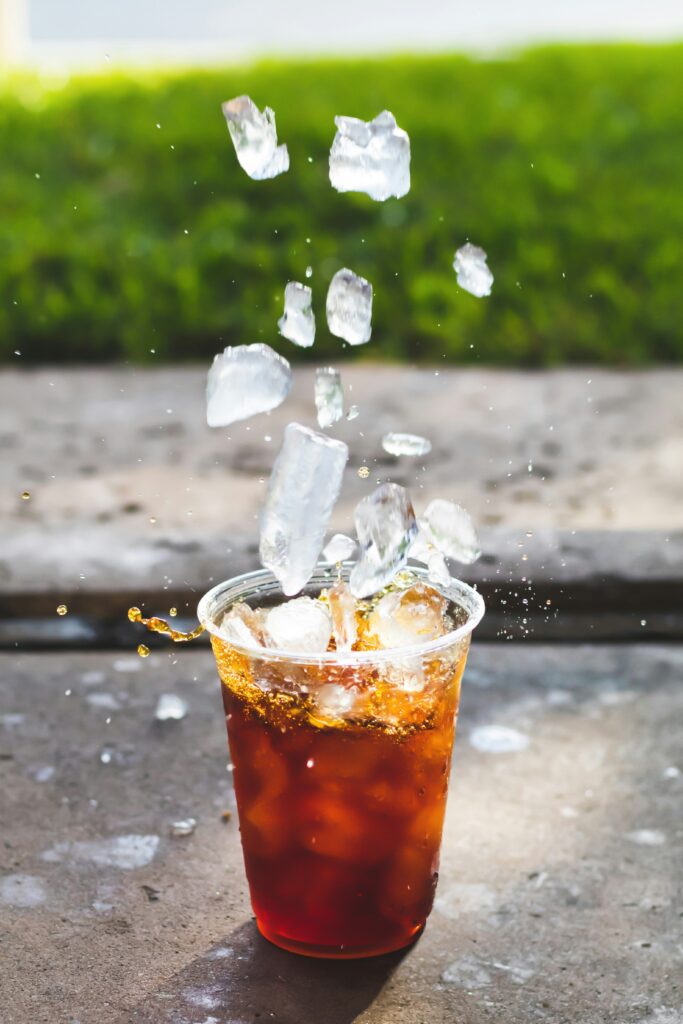
- Serve over ice, diluted with water, milk, or a plant-based alternative to taste. A common ratio is 1 part concentrate to 1 or 2 parts liquid.

Tips for Better Decaf Cold Brew
- Grind coarse — a fine grind leads to a murky, over-extracted result. Use the coarsest setting on your grinder.
- Use filtered water — cold brew has nowhere to hide off-flavours, so clean water makes a noticeable difference.
- Start with a longer steep — 18 to 20 hours in the fridge is a reliable starting point for most decaf beans. Adjust based on your preference.
- Taste before diluting — cold brew concentrate is meant to be diluted. Taste it straight first so you understand its strength, then adjust your dilution ratio.
- Experiment with serving styles — decaf cold brew works well with oat milk, almond milk, or even a splash of tonic water for a refreshing twist.
Common Questions About Decaf Cold Brew
Is decaf cold brew completely caffeine-free?
Not entirely. Swiss Water Process decaf removes around 99.9% of caffeine, so a small trace amount remains. For most people this is negligible, but if you are highly sensitive to caffeine, it is worth knowing that no decaf is 100% caffeine-free.
Can I use regular cold brew equipment?
Yes. A Toddy system, a French press, or any dedicated cold brew maker works perfectly with decaf beans. The brewing method does not change — only the beans do.
Why does my decaf cold brew taste flat?
The most common culprits are stale beans or too short a steep. Make sure your beans are fresh and give the brew at least 16 hours in the fridge. Decaf beans can sometimes benefit from a slightly longer steep than regular beans to fully develop their flavour.
Start with Quality Decaf Beans
The most important variable in any cold brew is the bean. At Neli Coffee, our Swiss Water Process decaf is sourced and roasted to bring out the best flavour for brewing methods like cold brew. Browse our range of decaf options and find the right bean to start your decaf cold brew journey.