

Decaf Coffee for Acid Reflux — Does It Actually Help?
Coffee and Acid Reflux — A Common

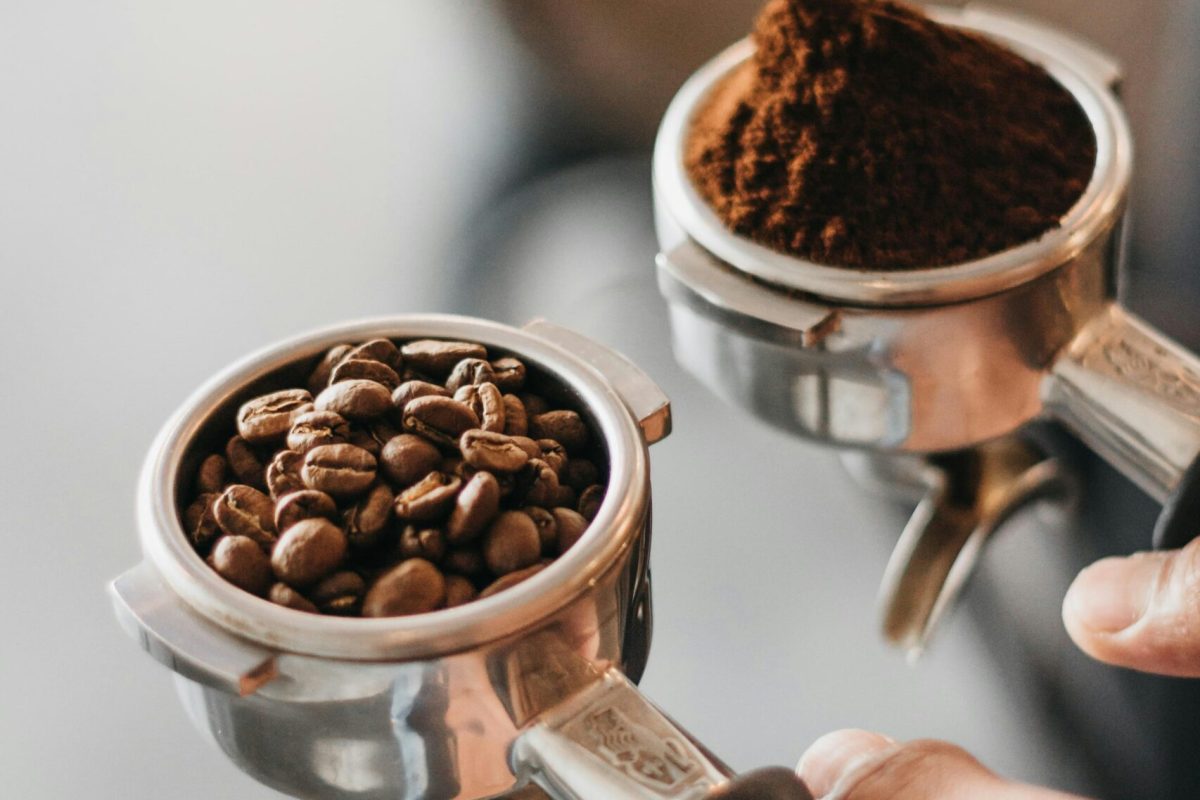
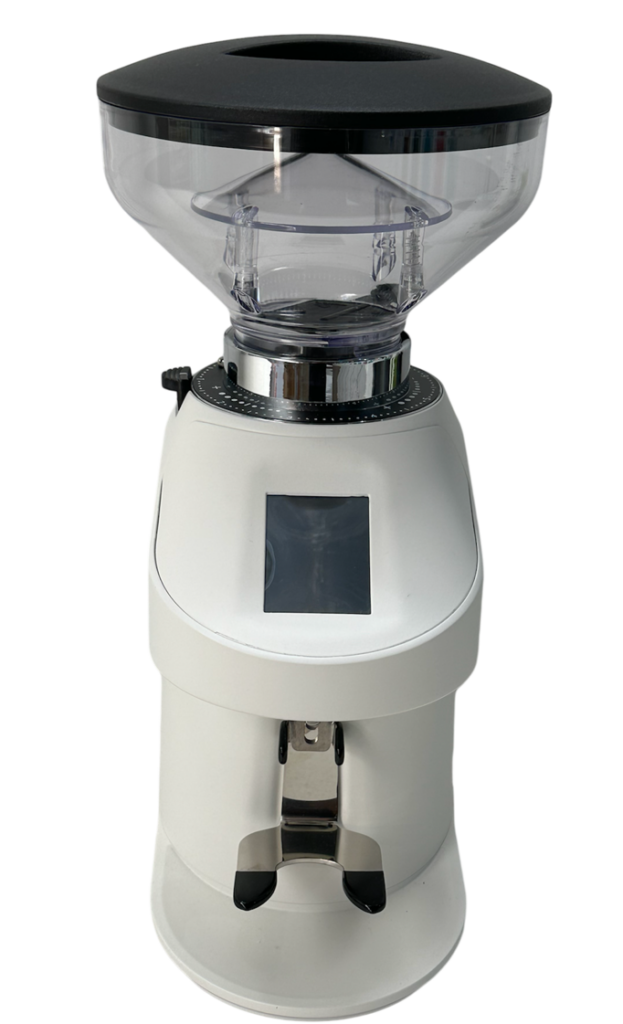
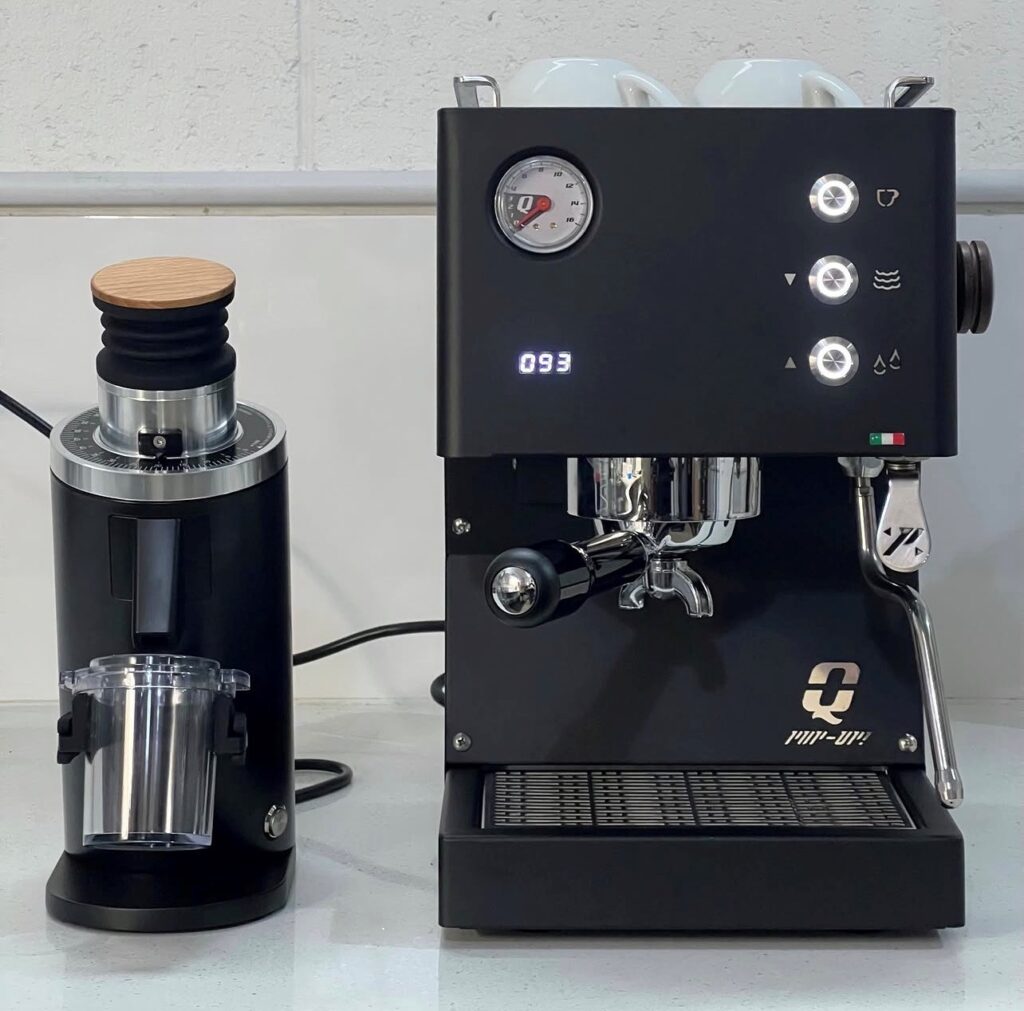
Ask most home baristas where to spend their budget and they will say the espresso machine. Ask any coffee professional the same question and they will say the grinder. This is the single most common mismatch in home coffee setups — a premium machine paired with a poor grinder — and it costs people years of substandard espresso. This article explains why the grinder matters so much, what to look for, and how to calibrate your setup priorities.
Espresso extraction is fundamentally about water moving through a bed of coffee particles. The size and consistency of those particles determines how water flows through them, how long extraction takes, and what ends up in the cup. Grind size is the primary dial for controlling extraction — it affects shot time, flavour balance, and how much room you have to adjust other variables.
An expensive espresso machine with excellent temperature stability, pump pressure, and pre-infusion cannot compensate for uneven grind particle size. If your grinder produces a wide spread of particle sizes — some too fine, some too coarse — you will get both over-extraction and under-extraction in the same shot. The result is a muddled, flat, or bitter flavour regardless of how well the machine itself performs.
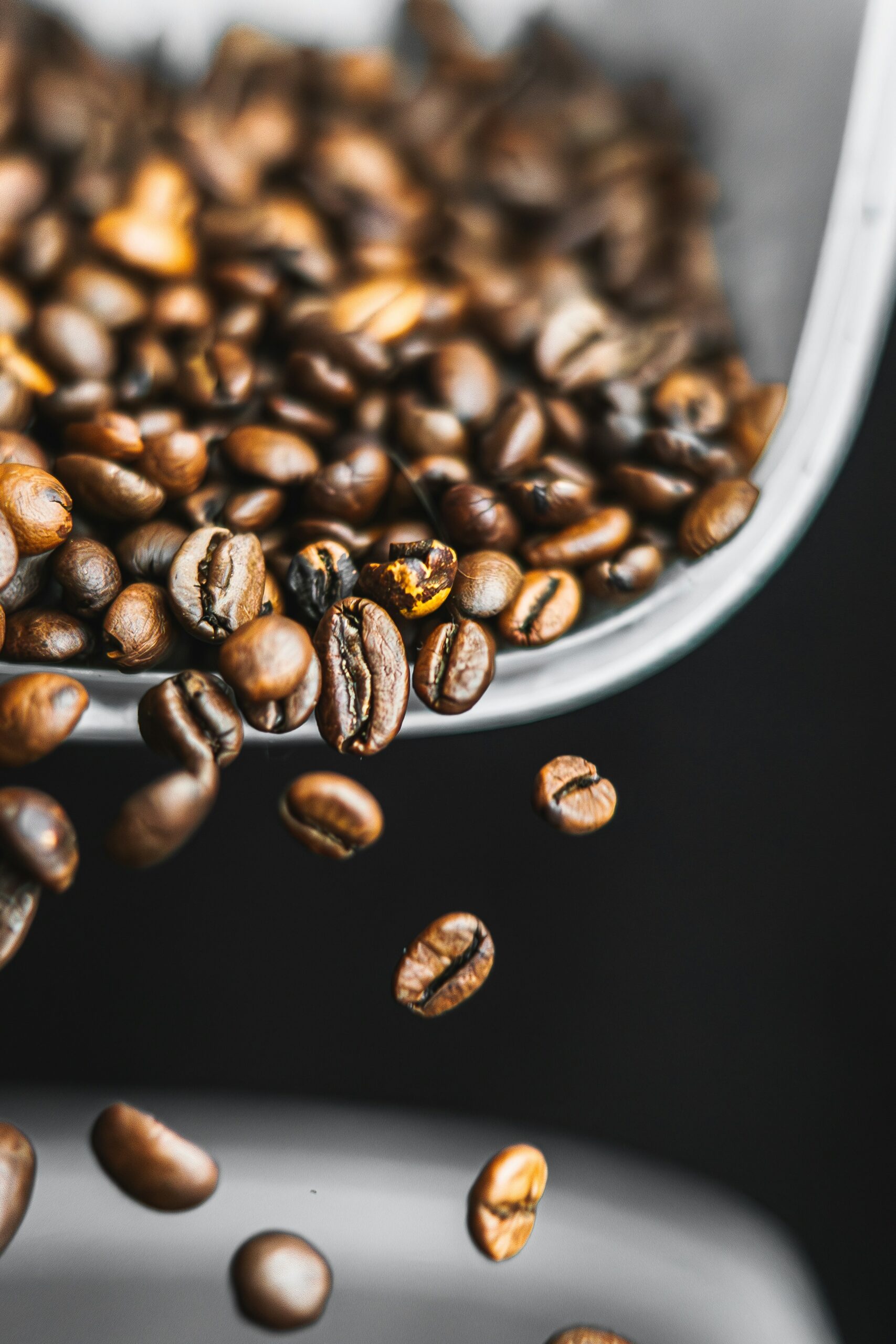
The most important distinction in grinder design is between blade grinders and burr grinders.
Blade grinders chop coffee beans randomly using a spinning blade, producing wildly inconsistent particle sizes. They are fine for drip filter coffee where some variability is masked by the brewing method, but for espresso — where a 0.1mm difference in grind size meaningfully changes the shot — they are not suitable.
Burr grinders crush coffee between two abrasive surfaces (burrs) set at a precise distance apart. This produces a far more consistent particle size. The gap between the burrs is adjustable, allowing you to change grind size with precision. Burr grinders come in two main types:
Beyond the burr type, several factors distinguish a good espresso grinder from a mediocre one:
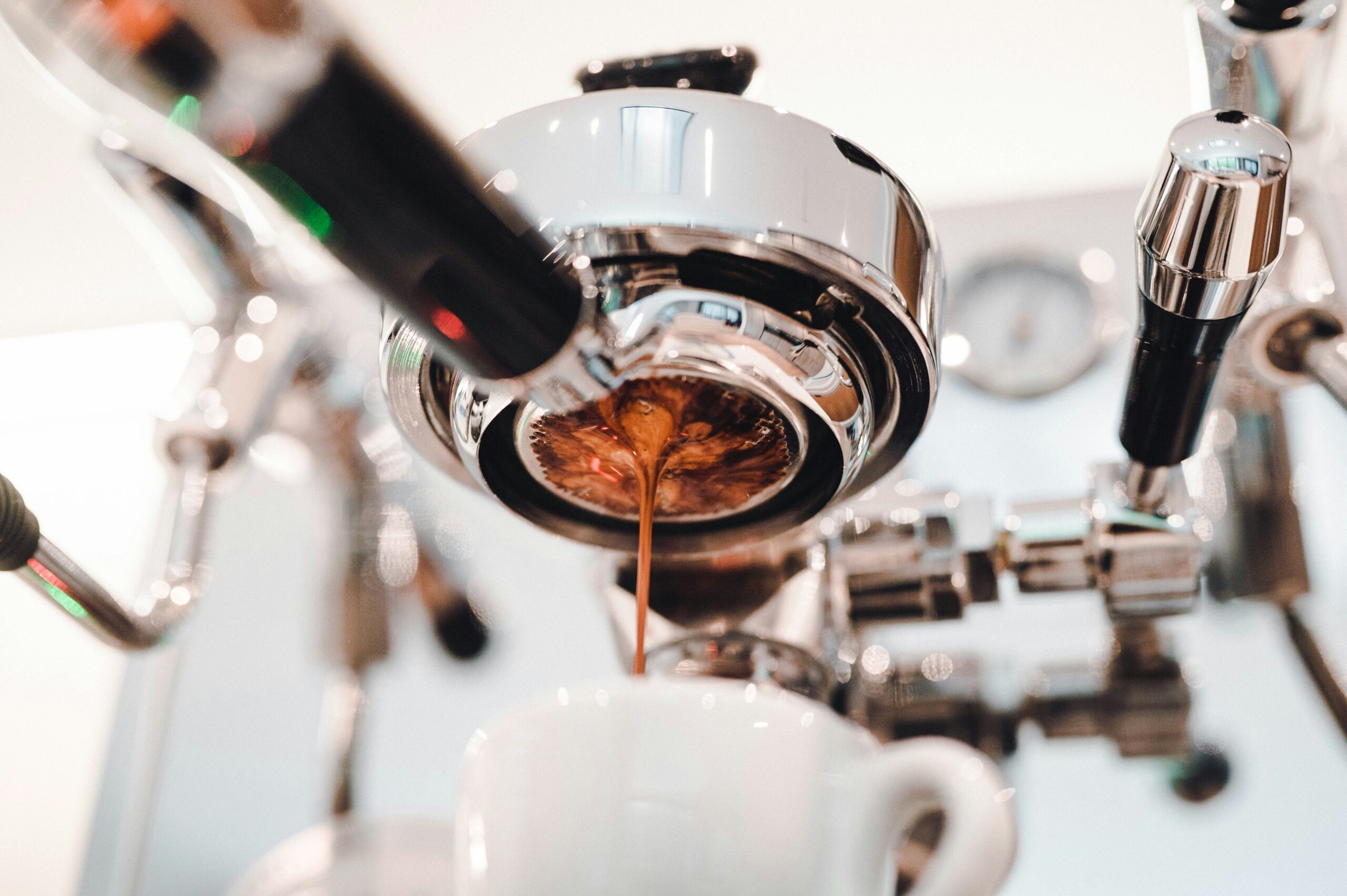
A common rule of thumb in specialty coffee is to spend at least as much on the grinder as on the espresso machine — and ideally more. This runs against most people’s instincts, but the reasoning is sound: a good grinder can make a modest espresso machine perform well above its price point. The reverse is not true.
If you are building a home espresso setup from scratch, consider these rough budget allocations:
If you already have a good machine and a poor grinder, upgrading the grinder first will give you a larger improvement than upgrading the machine.
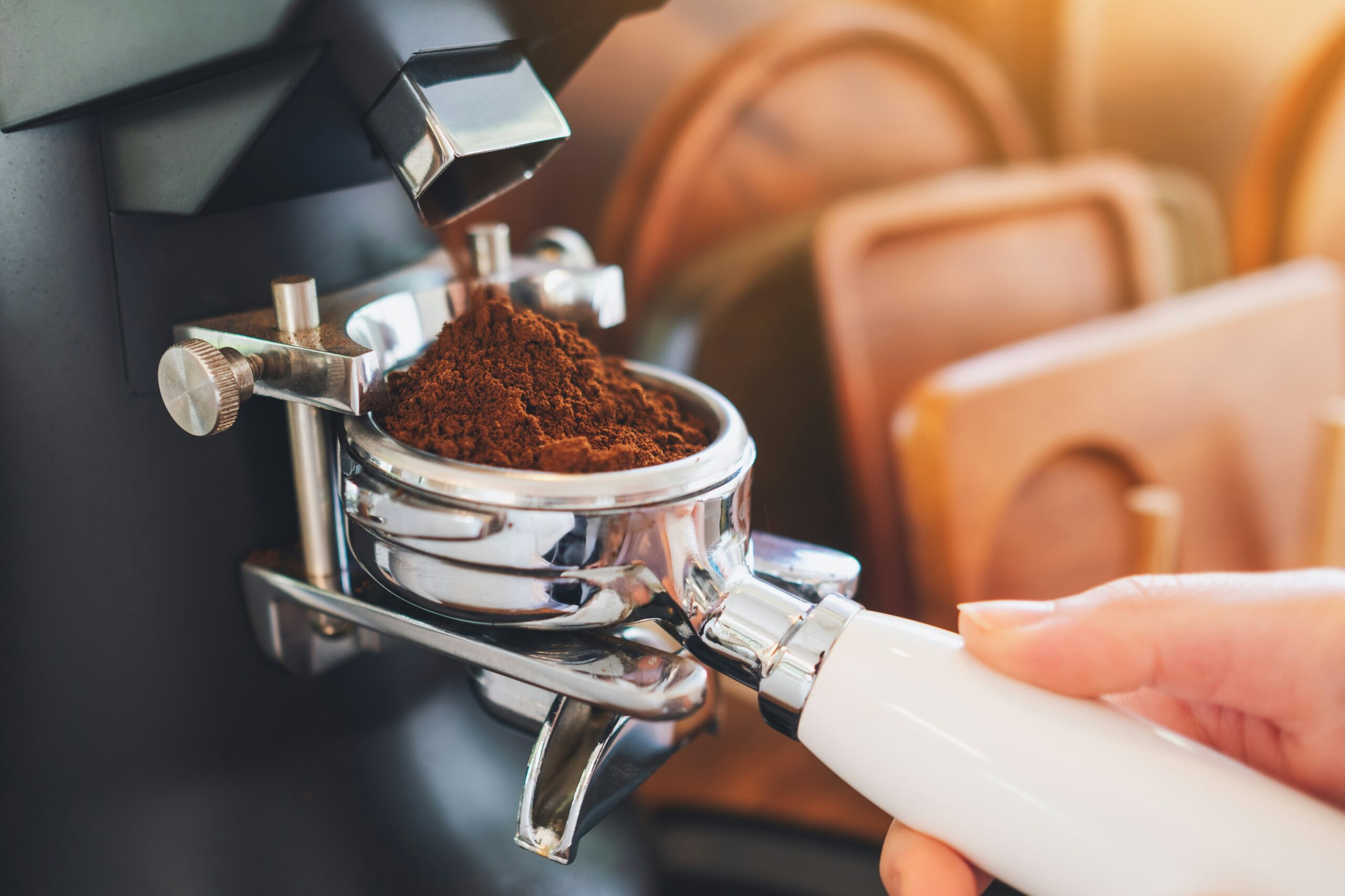
A great grinder working on stale beans will still produce inferior results. The grinder and the beans work together — a quality burr grinder maximises the potential of fresh specialty beans, while fresh beans give the grinder something worth extracting carefully.
Neli Coffee roasts specialty beans in small batches and ships them fresh to Brisbane and across Australia. Paired with a quality grinder, freshly roasted beans from a specialty roaster will produce espresso that rivals what most cafes serve. Browse our range and experience the difference that fresh, well-sourced beans make in the cup.


Coffee and Acid Reflux — A Common
Why Green Coffee Storage Matters Green coffee
Two Different Drinks, Often Confused Walk into
Why Cold Brew Coffee? Cold brew coffee