Decaf Coffee for Acid Reflux — Does It Actually Help?
Coffee and Acid Reflux — A Common

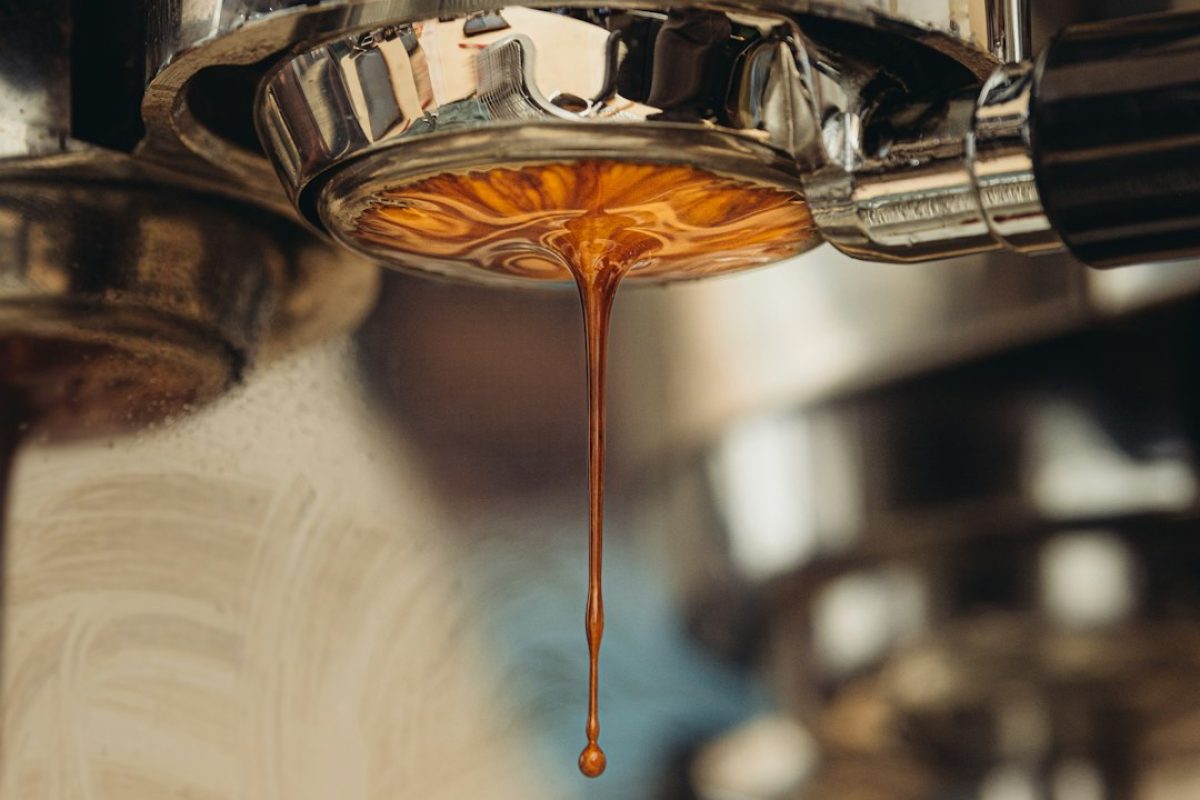
Choosing beans for an espresso machine is not the same as choosing beans for filter coffee. Espresso extraction is concentrated and unforgiving – it amplifies both the good and the bad in a coffee. Understanding what makes a bean work well for espresso will help you get consistently better results from your machine at home.
Roast level has the biggest impact on how a bean performs as espresso. Lighter roasts are more soluble, which means they extract quickly and can taste sour or sharp if your technique is not dialled in. Darker roasts are less soluble, extract more slowly, and produce the fuller-bodied, lower-acid profile that most people associate with traditional espresso.
For home machines, medium to medium-dark roasts are the most forgiving. They have enough sweetness and body to taste good across a range of extraction parameters, and they are much less sensitive to small changes in grind size, temperature, or dose than a very light roast.
That said, light roast espresso is excellent when done well. If you have a grinder capable of very fine, consistent grinding and you enjoy experimenting with your technique, a light roast single origin can produce extraordinary espresso – bright, complex, and unlike anything from a supermarket bag.
Espresso blends are designed specifically for the espresso process. Roasters typically combine beans from different origins to achieve a balanced, consistent profile – usually some combination of sweetness, body, low acidity, and good crema. A well-made espresso blend is reliable and works well in milk drinks, which is why cafes have traditionally used them.
Single origin espresso showcases one coffee’s character. The flavour can be more interesting and distinctive, but it is also more variable – seasonal, more dependent on technique, and not always designed with milk in mind. If you drink mostly black espresso or short blacks, single origin is worth exploring.
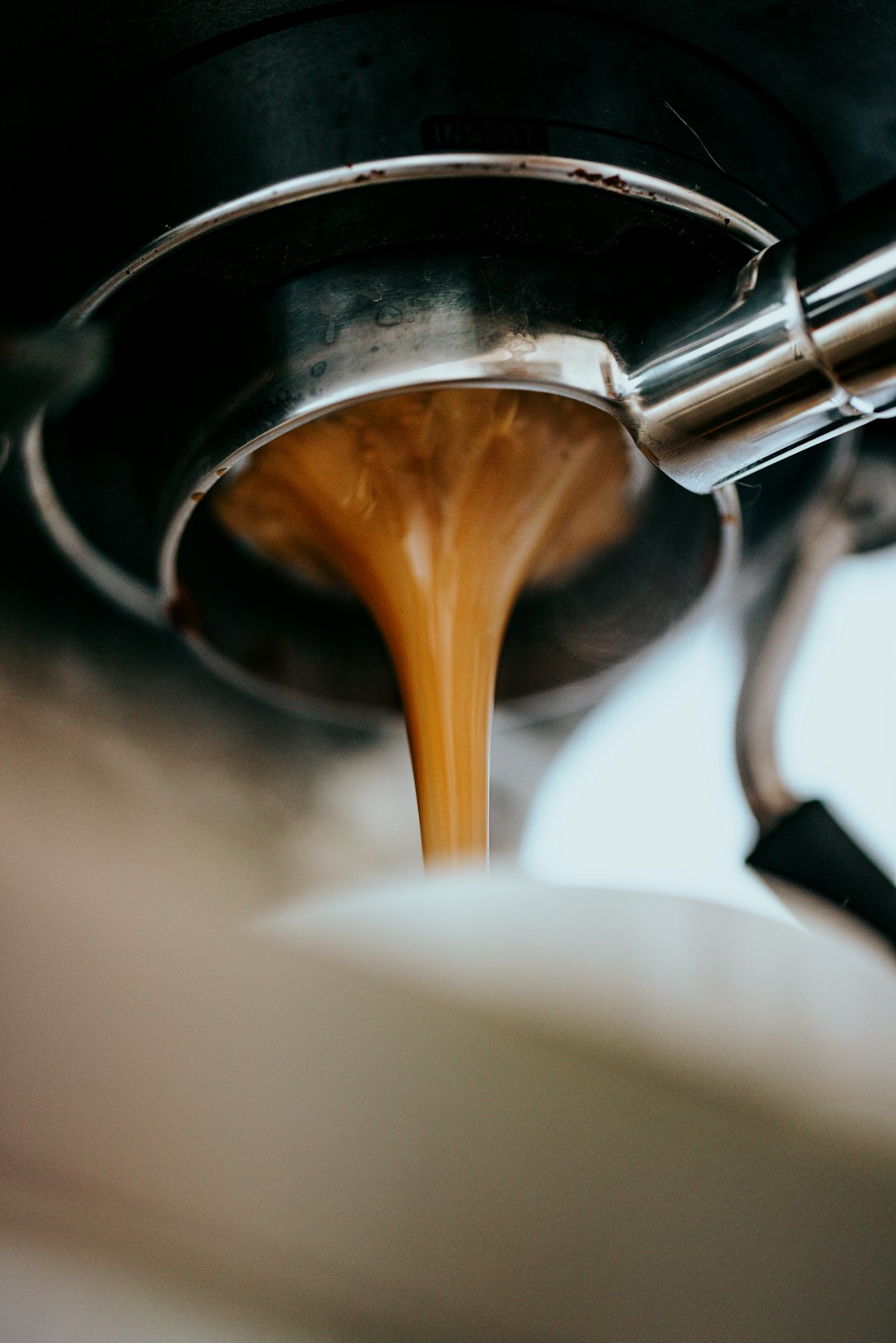
Coffee for espresso should be used within four to six weeks of the roast date. After roasting, beans release carbon dioxide as part of a process called degassing. Too fresh (within a day or two of roasting) and the excess gas disrupts extraction – you will see large, uneven bubbles and get inconsistent shots. Too old and the coffee has lost its volatile aromatics, and shots taste flat or hollow.
A common recommendation is to rest espresso beans for five to ten days after roasting before using them. This allows degassing to settle while keeping the flavour fresh. Check the roast date on the bag – if it is not printed, that is a sign the roaster is not prioritising freshness.
Whole beans stay fresh significantly longer than pre-ground coffee. For espresso in particular, grinding fresh makes a noticeable difference because grind size needs to be adjusted regularly as beans age and as conditions change. A burr grinder capable of very fine settings is essential for consistent espresso.
Store beans in an airtight container away from direct light and heat. The freezer is an option for long-term storage of unopened bags – freeze in single-use portions and do not refreeze once thawed. For everyday use, room temperature storage in a sealed container works well.
Neli Coffee stocks a range of espresso-suitable beans including single origins and blends, roasted fresh and shipped promptly. Check the current range to find beans matched to your brewing style and taste preference.
Coffee and Acid Reflux — A Common
Why Green Coffee Storage Matters Green coffee

Two Different Drinks, Often Confused Walk into
Why Cold Brew Coffee? Cold brew coffee