



Decaf Coffee for Acid Reflux — Does It Actually Help?
Coffee and Acid Reflux — A Common

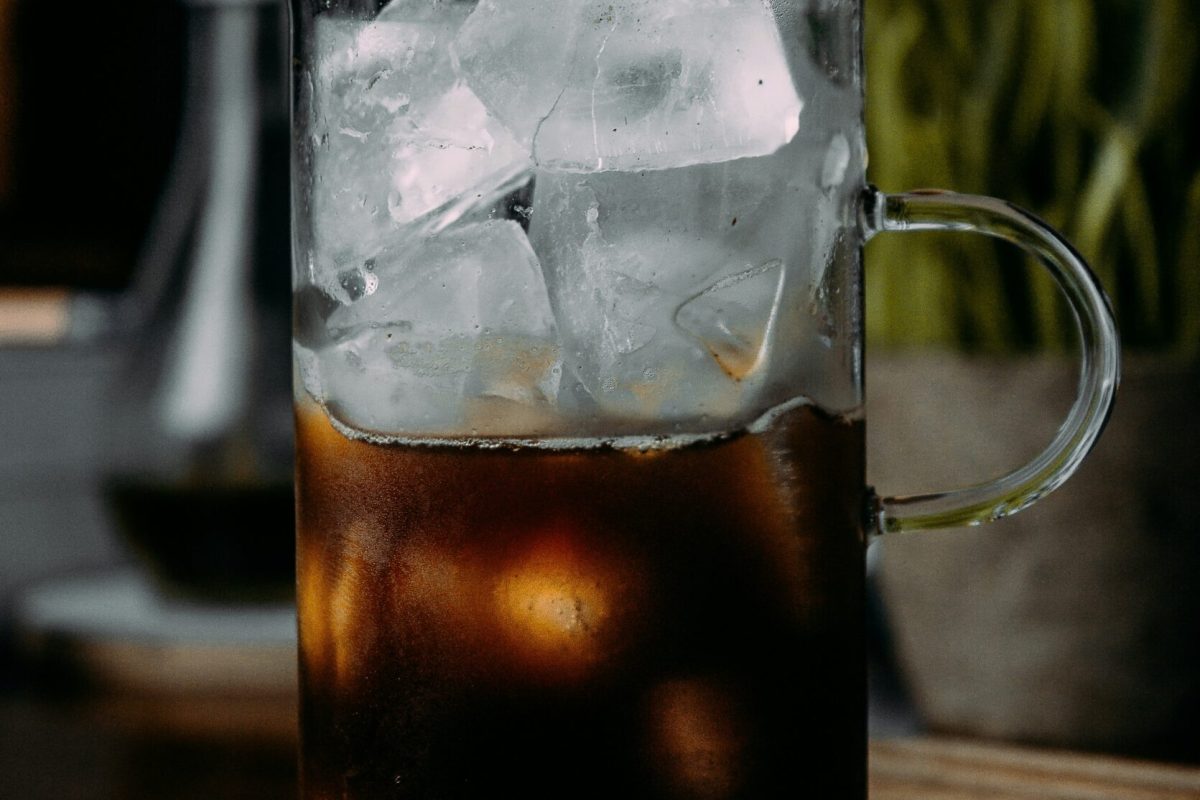
Cold brew is made by steeping coarsely ground coffee in cold or room-temperature water for an extended period — typically 12 to 24 hours. The absence of heat changes everything. Without hot water to extract quickly, the flavour compounds that end up in your cup are determined almost entirely by what the beans have to offer. Subtle flaws that hot brewing can mask become apparent; the smooth, clean character cold brew is known for depends on starting with the right beans.
Roast level has the biggest influence on cold brew character. Cold water extracts less efficiently than hot water, so lighter roasts — which are denser and more acidic — can result in thin, under-extracted cold brew that tastes sour or grassy rather than clean and sweet.
For cold brew, origins with naturally lower acidity and fuller body tend to shine:
Origins to approach with care include high-acidity Ethiopian and Kenyan coffees. Their brightness — which is a positive in filter brewing — can come across as sharp in cold brew unless you use a shorter steep time or dilute more generously.

Cold brew requires a coarse grind — similar to coarse sea salt. Fine grinds expose too much surface area over a long steep, leading to over-extraction and a bitter, astringent result. A coarse grind slows the process appropriately and produces a cleaner concentrate.
If you are grinding your own beans for cold brew, set your grinder to its coarsest or second-coarsest setting. Neli Coffee’s range of Turin grinders gives you reliable stepless grind adjustment, making it easy to dial in the right coarseness for cold brew without guesswork.
Cold brew may be forgiving in some ways, but freshness is not something to skip. Stale, over-aged beans produce a flat, woody cold brew with none of the sweetness and body you are after. Use beans within a few weeks of their roast date for best results. The long steep time of cold brew amplifies staleness rather than hiding it.
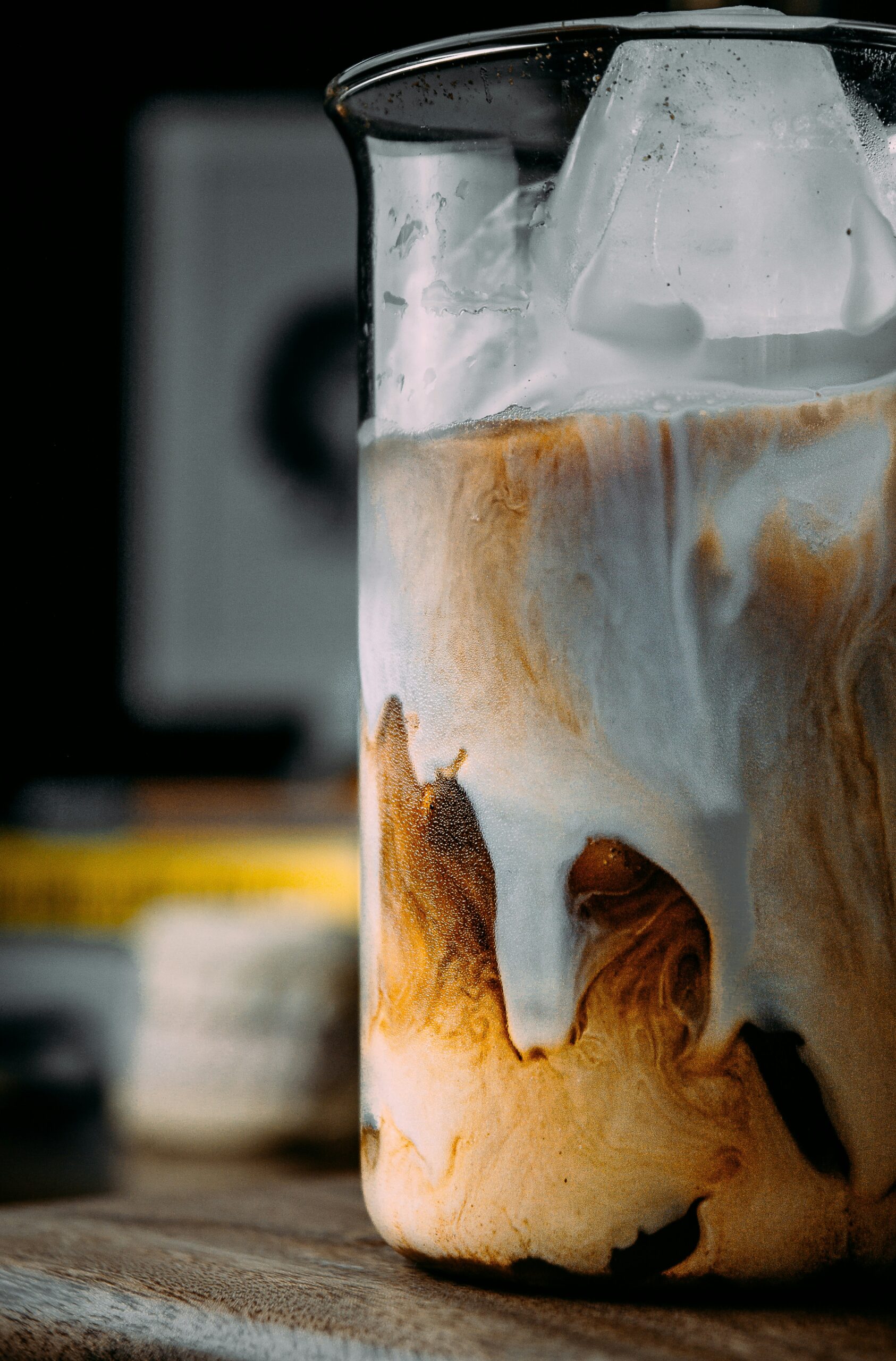
Neli Coffee stocks a range of single origins and blends well-suited to cold brew, including medium and dark roasted Colombian, PNG Asaro, and espresso blends with the body and sweetness cold brew needs. Browse the range and pick up freshly roasted beans for your next batch.
Coffee and Acid Reflux — A Common
Why Green Coffee Storage Matters Green coffee

Two Different Drinks, Often Confused Walk into
Why Cold Brew Coffee? Cold brew coffee