Sumatra Coffee – Why It Tastes So Different from African Beans
If you have ever tasted a Sumatran

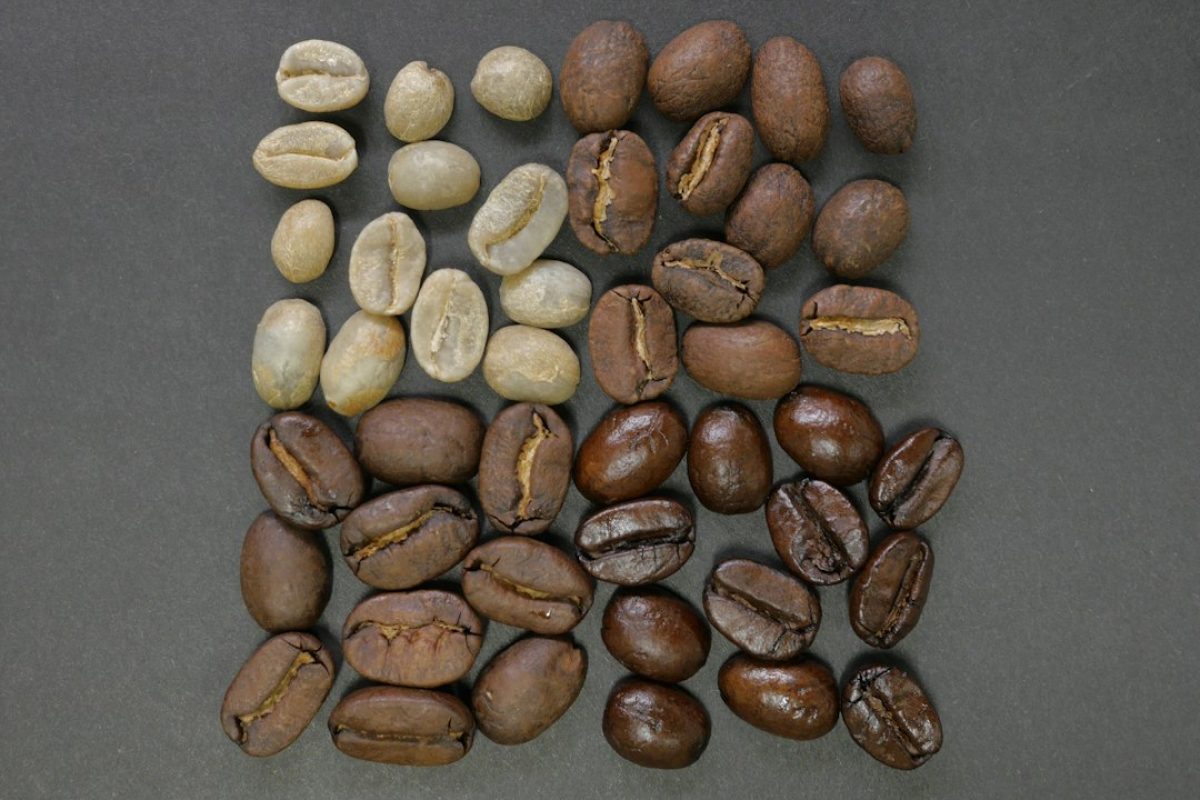
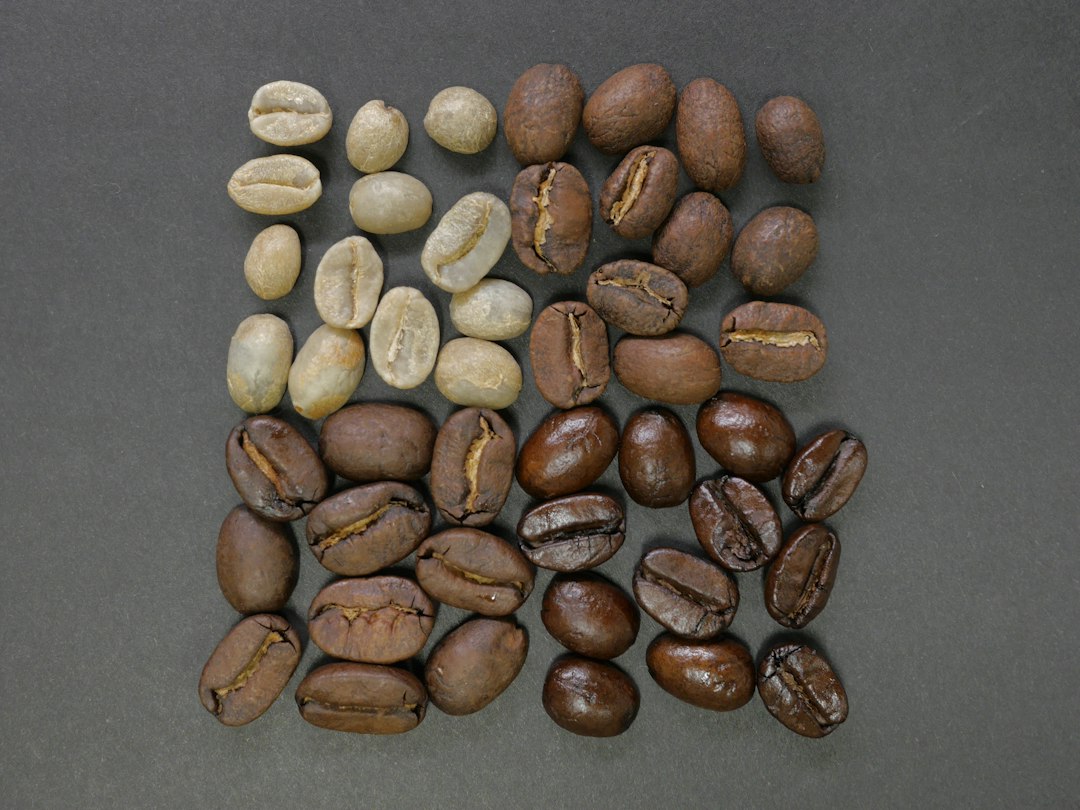
Pick up almost any bag of specialty coffee and you will see the word “Arabica” somewhere on the label. But what does it actually mean, and how does it compare to Robusta — the other main species used in commercial coffee production?
Understanding the difference between these two species helps you make better decisions when buying coffee, and gives you a clearer picture of why your morning cup tastes the way it does.
There are over 100 species of coffee plants in the world, but only two dominate commercial production:
The most important distinction between Arabica and Robusta is how they taste.
Arabica is known for its complexity and sweetness. Depending on origin and roast profile, it can offer flavour notes ranging from stone fruit and berries to chocolate, caramel, and floral aromatics. The acidity is typically bright and pleasant, which contributes to a lively, layered cup.
Robusta has a more straightforward flavour profile — stronger, more bitter, and often described as earthy, woody, or rubbery when tasted on its own. It has about twice the caffeine content of Arabica, which contributes to its harsher, more intense bitterness.
Arabica plants are more delicate and demanding. They grow best at high altitudes (typically 600-2,000 metres above sea level), require a specific temperature range, and are more susceptible to pests and disease. This makes them more expensive to grow and harvest.
Robusta is hardier and easier to cultivate. It grows at lower altitudes, tolerates heat and humidity better, and produces higher yields per tree. It is also more resistant to the coffee leaf rust fungus that devastates Arabica crops.
Vietnam is the world’s largest Robusta producer, followed by Brazil and parts of West Africa. Arabica dominates production in Colombia, Ethiopia, Guatemala, and the higher-altitude regions of Brazil.
Robusta contains roughly 2.7% caffeine by weight, compared to around 1.5% for Arabica. This means a Robusta-based espresso will generally deliver a stronger caffeine hit than a pure Arabica equivalent.
Paradoxically, caffeine itself is bitter — so one reason Arabica tastes sweeter and smoother is partly because it contains less of it.
For much of the past century, Robusta was used as a cheap filler in commercial coffee blends to keep costs low. The quality of those beans was often poor, and the resulting coffee was harsh and unpleasant.
However, quality Robusta is not inherently bad. Many Italian-style espresso blends intentionally include a percentage of Robusta to boost body, add crema, and increase caffeine. At its best, Robusta contributes a dark chocolate bitterness and a thick, persistent crema that pure Arabica espresso sometimes lacks.
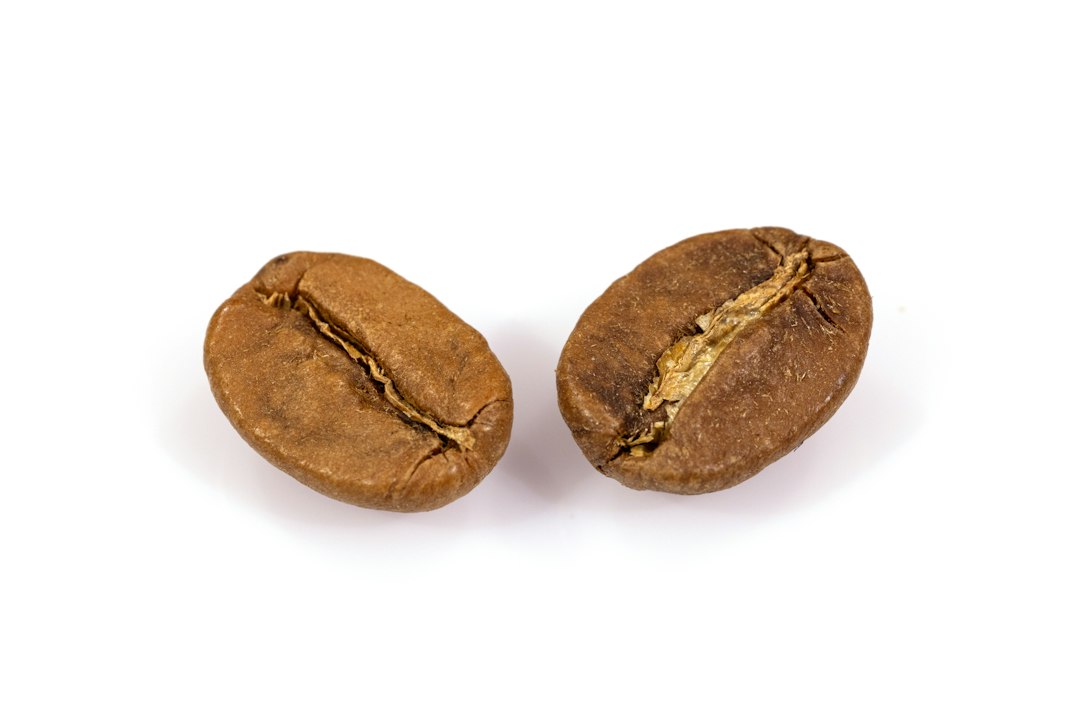
For most specialty coffee drinkers in Australia, 100% Arabica is the go-to choice. It offers greater complexity and a wider range of flavour profiles to explore. If you enjoy single origins, pour-over brewing, or milk-based drinks made with quality espresso, Arabica is almost certainly what you want.
If you prefer a very strong, intense espresso with thick crema — particularly in the Italian style — a blend containing some Robusta may actually suit your taste better.
The key is to buy freshly roasted beans from a roaster who can tell you what is in the bag and where it came from. Whether Arabica or a blend, freshness and quality of roasting make the biggest difference to what ends up in your cup.
At Neli Coffee, we roast 100% Arabica beans fresh to order. Explore our range and taste the difference quality makes.
If you have ever tasted a Sumatran
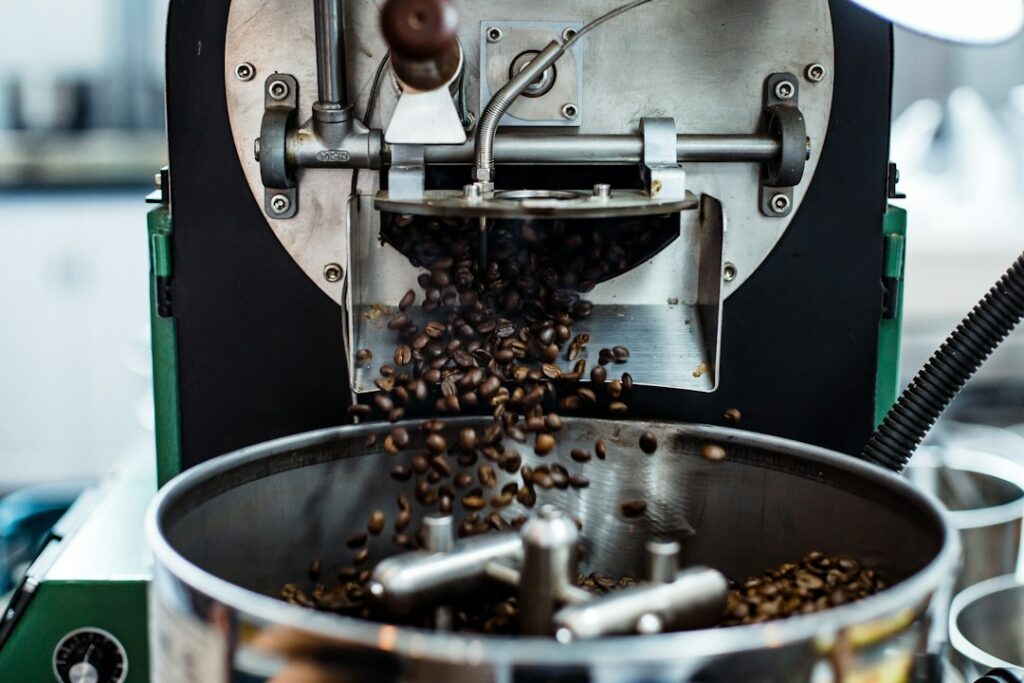
Your grinder matters more than your machine. Here’s an honest guide to the best coffee grinders for home espresso in Australia — from entry-level to serious upgrades.
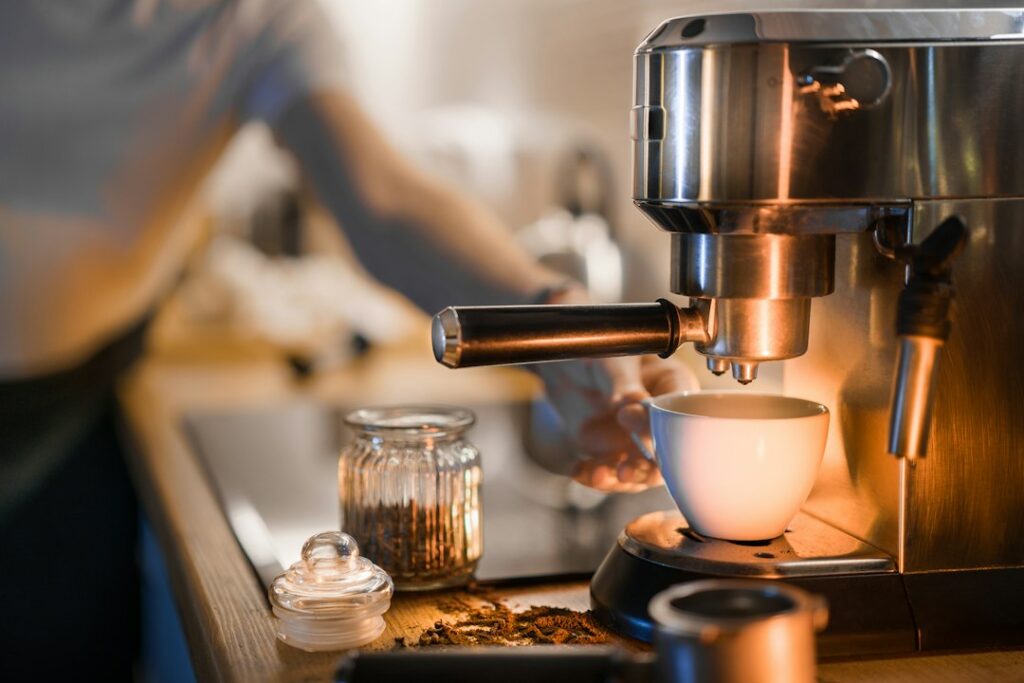
Looking for a home espresso machine in Australia? We break down the best options from entry-level to prosumer — with honest advice on what you’ll actually use.
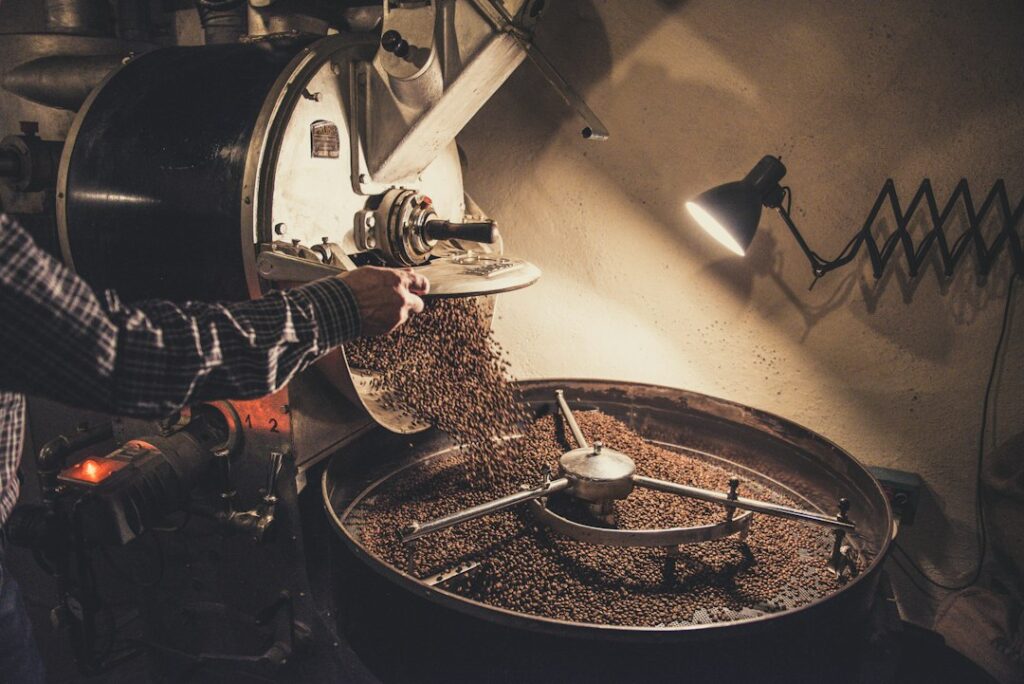
Swiss Water Process is the gold standard for decaffeination — no chemicals, just water, time, and science. Here’s how it works and why it matters for your cup.