Decaf Coffee for Acid Reflux — Does It Actually Help?
Coffee and Acid Reflux — A Common

Pick up almost any specialty coffee bag and you will see it: “100% Arabica”. It has become shorthand for quality, a marketing signal that this coffee is the good stuff. But is 100% Arabica always better than a blend that includes Robusta? The honest answer is: not necessarily.
The 100% Arabica label emerged partly as a response to the widespread use of low-quality Robusta in commercial coffee blends. For much of the twentieth century, supermarket and cafe coffees used large quantities of cheap Robusta to keep costs down, resulting in harsh, bitter cups. The specialty coffee movement responded by championing Arabica, which, at its best, offers far more complexity, sweetness, and nuance.
The association stuck. Today, “100% Arabica” is used by roasters at every level – from genuine specialty producers to mass-market brands – to signal quality. But the label tells you the species, not the grade. Low-quality Arabica, poorly grown or carelessly processed, can produce a mediocre cup. High-quality Robusta, carefully cultivated, can be genuinely impressive.
At the specialty end of the market, 100% Arabica genuinely shines. High-scoring Arabica from Ethiopia, Colombia, or Papua New Guinea brings natural fruit notes, floral aromas, complex acidity, and sweetness that Robusta simply cannot match. If you drink your coffee black, brew with a pour-over or AeroPress, and appreciate nuanced flavour, 100% Arabica is likely to be the better choice.
Single-origin 100% Arabica coffees are where this really shows. The distinctive terroir of a specific region – the volcanic soil of a Guatemalan farm, the high altitude of an Ethiopian cooperative – expresses itself through the bean in ways that are impossible to achieve with blending or with Robusta.
There are situations where a well-made Arabica/Robusta blend outperforms 100% Arabica. The main ones:
The most important variable is not whether the coffee is Arabica or Robusta – it is whether the beans were grown with care, processed correctly, and roasted to suit their character. A specialty Arabica that was picked unripe and processed badly will make a worse cup than a well-sourced Robusta that was grown at altitude and dried on raised beds.
What the label does not tell you is the grade, the origin, the processing method, or the roast date. Those details matter more than the species. When you are buying from a quality roaster, ask those questions. The answers will tell you far more than “100% Arabica” ever could.
Coffee and Acid Reflux — A Common
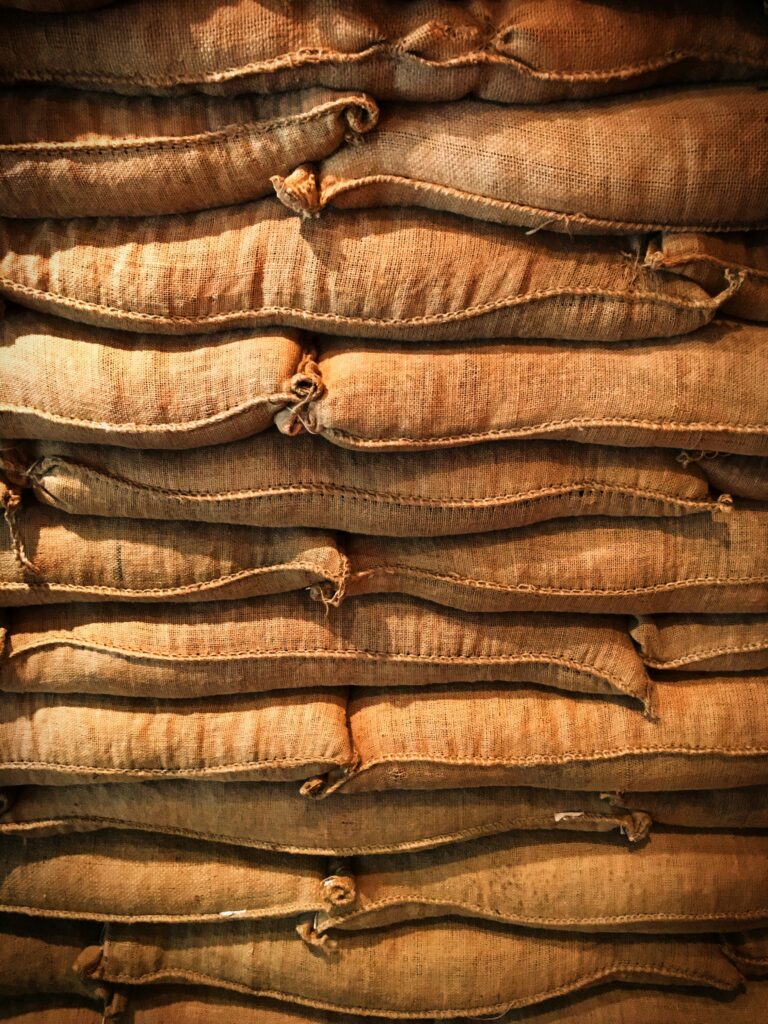
Why Green Coffee Storage Matters Green coffee
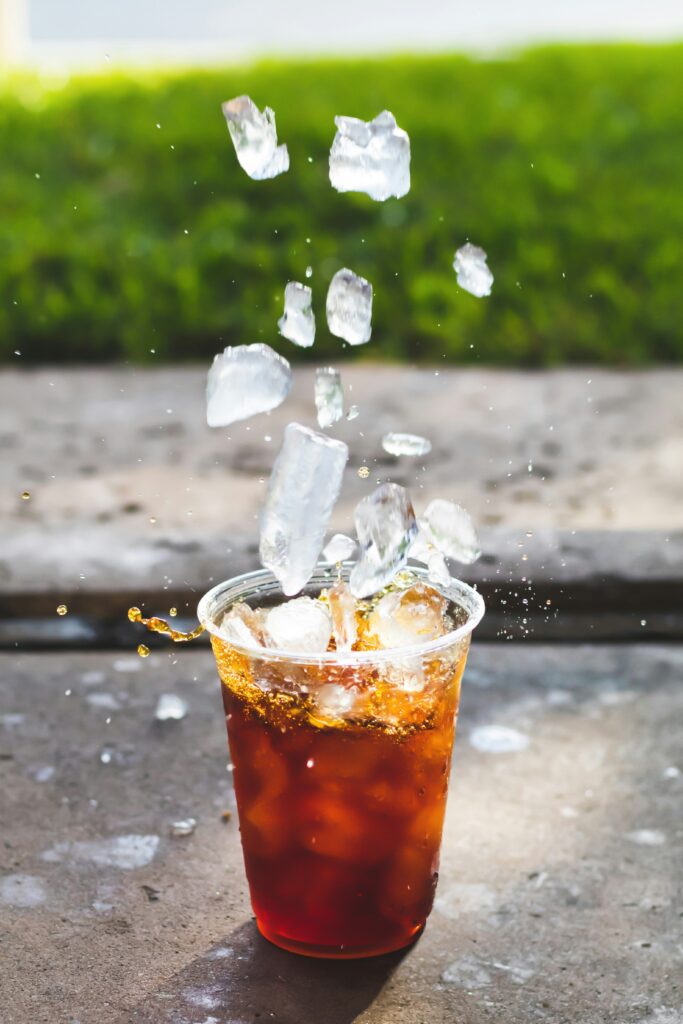
Two Different Drinks, Often Confused Walk into
Why Cold Brew Coffee? Cold brew coffee